In the world of industrial automation and control systems, proximity sensors are indispensable components. They detect the presence or absence of an object without physical contact, relying on electromagnetic fields, light, or sound. One of the most common questions from engineers and technicians is: "How many wires does a proximity sensor have?" The answer isn't straightforward, as it depends on the sensor's type, output configuration, and wiring standard. This article delves into the technical details to clarify this fundamental aspect.
Proximity sensors typically come in two-, three-, or four-wire configurations. Each design serves specific purposes and aligns with different electrical setups.
Two-wire proximity sensors are the simplest in terms of wiring. They integrate directly into the load circuit, meaning they connect in series with the load (such as a relay or PLC input). One wire is for the power supply, and the other is for the output. These sensors are often used in AC or DC applications but may have limitations like higher residual current or voltage drop. They are popular in basic on/off control tasks due to their ease of installation and cost-effectiveness.
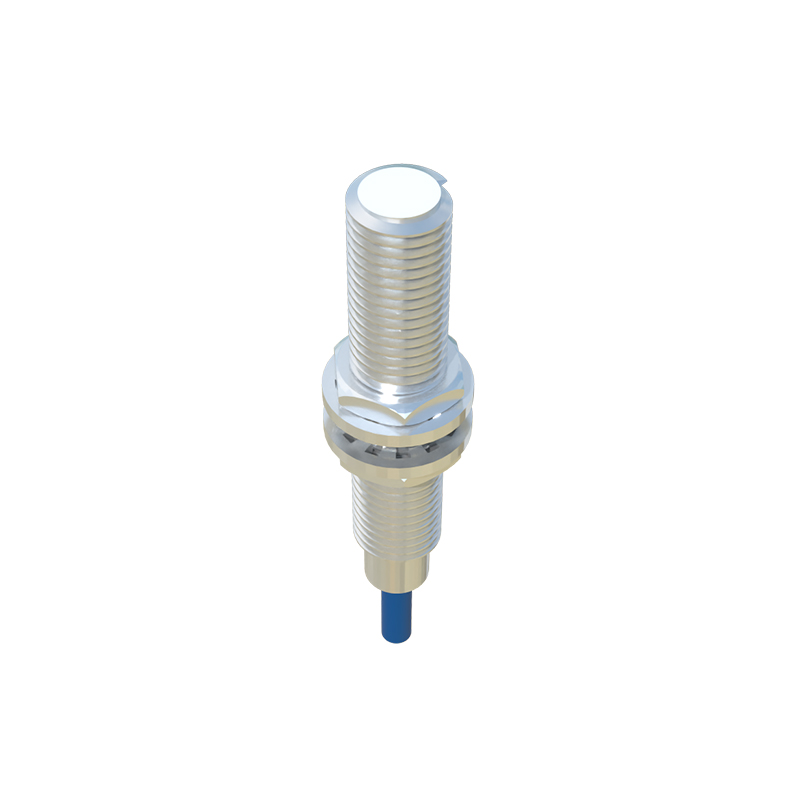
Three-wire proximity sensors are the most prevalent in modern industrial settings. They feature separate wires for power supply, ground, and output. This design allows for more stable operation and lower power consumption. Typically, the wires are color-coded: brown for positive voltage (often +24V DC), blue for ground (0V), and black for the output signal. The output can be either NPN (sinking) or PNP (sourcing), which determines how the sensor interfaces with controllers. NPN types switch the negative side, while PNP types switch the positive side, catering to different PLC and circuit requirements.
Four-wire proximity sensors add an extra wire, usually for a second output or a diagnostic function. For example, they might include both a normally open (NO) and a normally closed (NC) contact, providing flexibility in control logic. Alternatively, the fourth wire could be for an analog output (e.g., 4-20 mA or 0-10V) that conveys distance information, not just presence detection. These sensors are ideal for complex applications where multiple signals or precise measurements are needed.
Beyond wire count, factors like sensor technology (inductive, capacitive, or photoelectric), voltage rating (commonly 10-30V DC or 90-250V AC), and housing material (e.g., stainless steel for harsh environments) influence selection. Inductive sensors, for instance, detect metals and usually have three wires, while capacitive sensors can handle non-metallic objects and may vary.
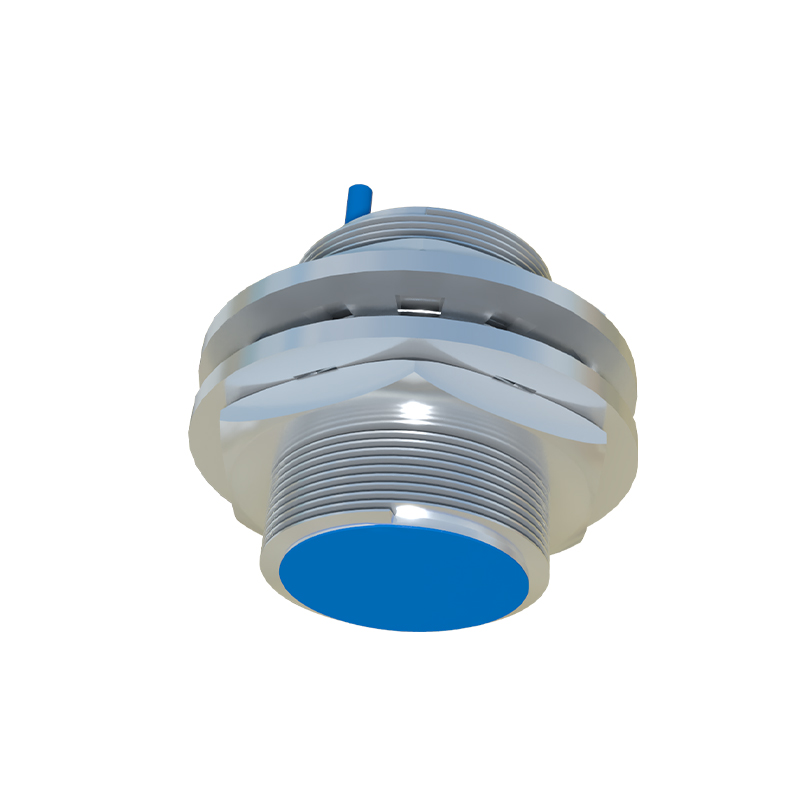
When installing a proximity sensor, always refer to the datasheet for wiring diagrams. Incorrect connections can lead to malfunction or damage. For two-wire sensors, ensure the load compatibility; for three-wire ones, verify the output type (NPN/PNP) matches your system. Shielded cables are recommended in electrically noisy environments to prevent interference.
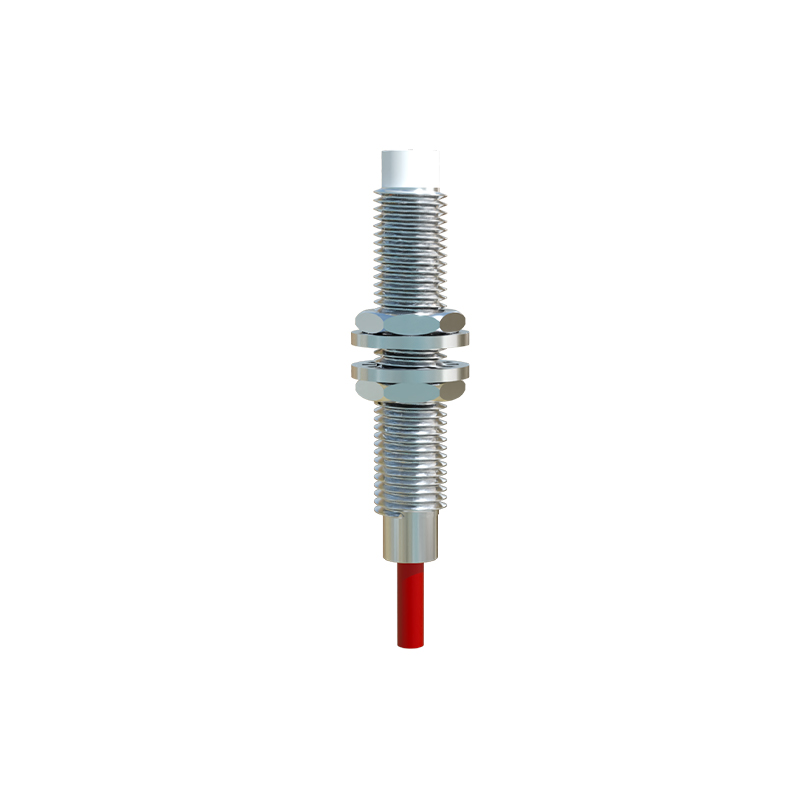
In summary, the number of wires in a proximity sensor—two, three, or four—defines its functionality and integration into control circuits. Two-wire sensors offer simplicity, three-wire ones provide reliability and versatility, and four-wire models enable advanced features. Understanding these differences helps engineers optimize automation setups for efficiency and safety. As technology evolves, smart sensors with integrated communication (like IO-Link) are emerging, but traditional wired configurations remain foundational in industry. Always prioritize technical specifications and application needs when choosing a sensor.