In the realm of industrial automation and smart systems, the ability to detect objects without physical contact is a fundamental requirement. This capability is elegantly fulfilled by inductive proximity sensors, and at the heart of these devices lies a critical component: the inductive proximity sensor chip. This integrated circuit is the brain of the sensor, transforming a simple physical principle into a reliable, high-performance detection solution.
The core operating principle is based on electromagnetic induction. The sensor chip drives a small coil, typically embedded in the sensor's face, to generate a high-frequency alternating electromagnetic field. When a metallic object enters this field, eddy currents are induced on the surface of the target. These eddy currents draw energy from the coil, which in turn causes a change in the oscillation amplitude or frequency within the circuit. The sophisticated chip detects this minute change, processes the signal, and triggers a clean, digital output switch. This entire process happens with remarkable speed and precision, enabling detection of ferrous metals like steel and iron, as well as non-ferrous metals such as aluminum, copper, and brass, though with varying sensing distances.
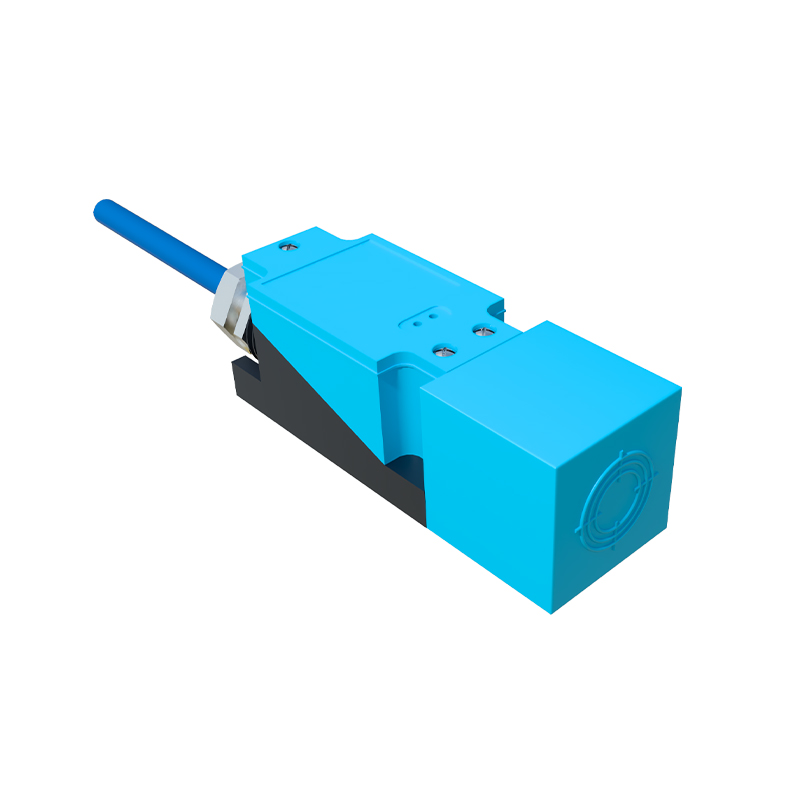
Modern inductive proximity sensor chips are marvels of integration. They typically contain an oscillator circuit to generate the high-frequency field, a signal demodulator to interpret the changes, a Schmitt trigger to provide hysteresis and ensure a stable output signal free from chatter, and an output driver stage capable of switching significant loads. Advanced chips incorporate additional features like short-circuit protection, reverse polarity protection, and temperature compensation. This high level of integration results in sensors that are exceptionally robust, resistant to environmental contaminants like dust, oil, and coolant, and capable of operating in harsh conditions where optical or capacitive sensors might fail.
The applications for these chips are vast and critical. On fast-moving assembly lines, they count products, detect the presence of components, or verify positioning with unerring accuracy. In robotics, they provide end-of-arm tooling with precise positioning feedback. They are indispensable in machine tools for monitoring tool wear, detecting broken tools, or ensuring proper workpiece clamping. Beyond heavy industry, they find use in automotive systems, consumer appliances, and even in safety systems as non-contact limit switches. Their inherent immunity to dirt and ability to function in wet environments make them the first choice for many challenging applications.
When selecting a system based on this technology, several key parameters defined by the chip's capabilities must be considered. The sensing distance, or nominal range, is specified for a standard steel target. Factors like the target material, size, and shape can affect this range. The switching frequency defines how many detection cycles per second the sensor can perform, a crucial factor for high-speed applications. Another critical specification is the hysteresis, a built-in differential between the switch-on and switch-off points that prevents output oscillation when a target is at the edge of the sensing range. Engineers must also consider the output configuration—PNP (sourcing) or NPN (sinking)—to ensure compatibility with the host controller, such as a PLC.
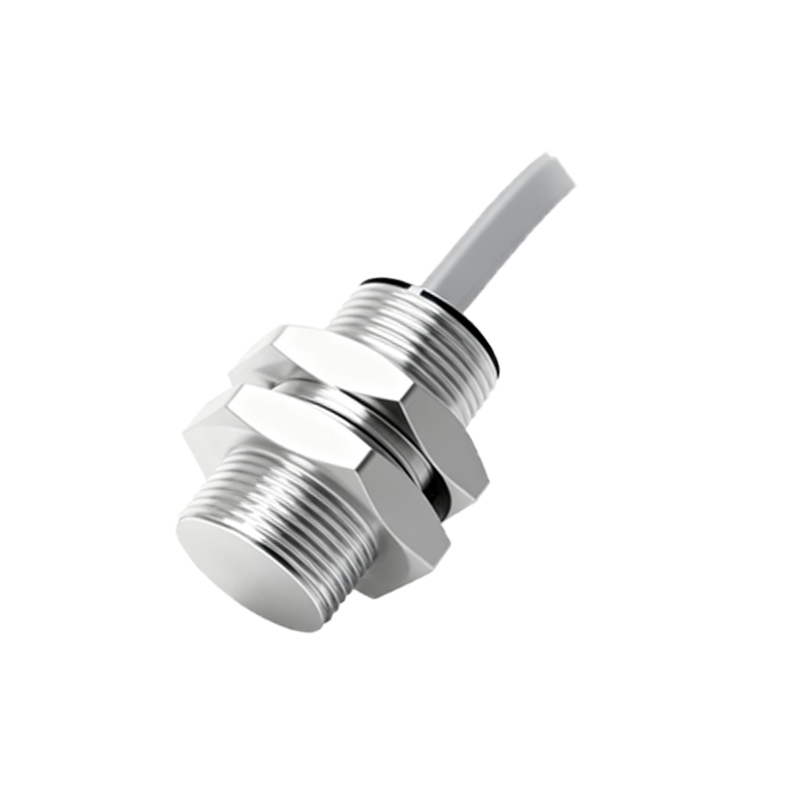
The evolution of these chips continues to push the boundaries of performance. Recent advancements focus on miniaturization, enabling ever-smaller sensor housings without sacrificing range or robustness. There is also a strong trend toward improving noise immunity, allowing sensors to operate reliably in electrically noisy environments near variable frequency drives or welding equipment. Some of the latest chips feature analog or IO-Link outputs, moving beyond simple switching to provide valuable data such as detailed distance information or device health status, paving the way for predictive maintenance and Industry 4.0 applications.
In conclusion, the inductive proximity sensor chip is a silent workhorse of modern automation. By encapsulating complex electromagnetic sensing into a reliable, durable, and intelligent package, it provides the foundational sensing layer for countless machines and systems. Its continued development ensures that as industries become smarter and more connected, this fundamental technology will remain at the forefront, enabling precise, contactless detection in an ever-widening array of challenging environments.