In the rapidly evolving landscape of modern defense technology, laser sensors have emerged as a cornerstone for a wide array of military applications. These sophisticated devices, which operate by emitting and detecting laser light to measure distance, speed, vibration, and chemical composition, are integral to enhancing situational awareness, operational precision, and overall force protection. Their unparalleled accuracy, high resolution, and ability to function in diverse environmental conditions make them indispensable tools for contemporary armed forces.
The fundamental principle behind military-grade laser sensors involves the emission of a focused beam of light—typically in the infrared spectrum for covert operations—and the analysis of its reflection. By measuring the time-of-flight (ToF) of the laser pulse or the phase shift in a continuous wave, these sensors can calculate distances with extreme precision, often to within millimeters over several kilometers. This capability is the bedrock of Light Detection and Ranging (LIDAR) systems, which generate high-resolution three-dimensional maps of terrain, urban environments, and potential obstacles. For reconnaissance and surveillance missions, LIDAR-equipped drones or aircraft can penetrate foliage and operate effectively at night or in adverse weather, providing critical intelligence that optical or radar systems might miss.
Beyond mapping and ranging, laser sensors are pivotal in target acquisition and designation. Laser rangefinders are standard issue for infantry, armored vehicles, and artillery units, enabling precise distance measurement to a target for first-round accuracy. Paired with laser designators, these systems "paint" a target with a coded laser beam, guiding "fire-and-forget" munitions like laser-guided bombs (LGBs) and missiles to their mark with devastating effect. This synergy between sensor and shooter minimizes collateral damage and maximizes mission success rates in complex engagements.
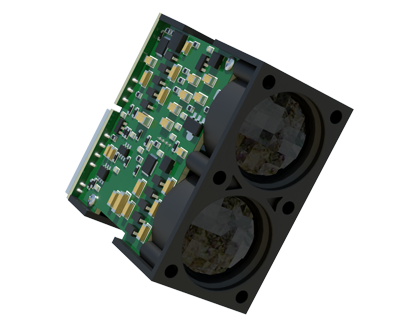
Another critical application lies in perimeter security and intrusion detection. Laser fence systems create an invisible grid or curtain of laser beams around sensitive installations. Any interruption of this beam triggers an immediate alarm, providing a non-physical, highly reliable barrier that is difficult to bypass without detection. These systems are far less prone to false alarms caused by small animals or environmental debris compared to traditional infrared or microwave sensors, ensuring a higher state of alert readiness.
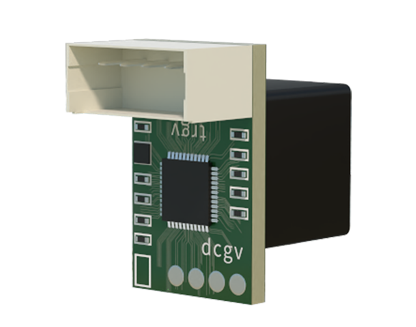
Chemical, biological, radiological, and nuclear (CBRN) defense has also been revolutionized by laser-based sensing, particularly through technologies like Differential Absorption LIDAR (DIAL). These systems can remotely detect and identify trace amounts of hazardous agents in the atmosphere from a safe distance, allowing for early warning and the implementation of protective measures for personnel. Similarly, laser vibrometers can detect minute vibrations from distant vehicles or machinery, offering a passive means of surveillance and threat identification.
The development of these systems presents significant engineering challenges. Military laser sensors must be ruggedized to withstand extreme shock, vibration, temperature fluctuations, and electromagnetic interference. They require robust countermeasures against jamming and spoofing attempts by adversaries. Furthermore, the drive for miniaturization, weight reduction, and lower power consumption is constant, enabling their integration into unmanned aerial vehicles (UAVs), handheld devices, and next-generation soldier systems. Research is ongoing into quantum-based laser sensing, which promises even greater sensitivity and security against interception.
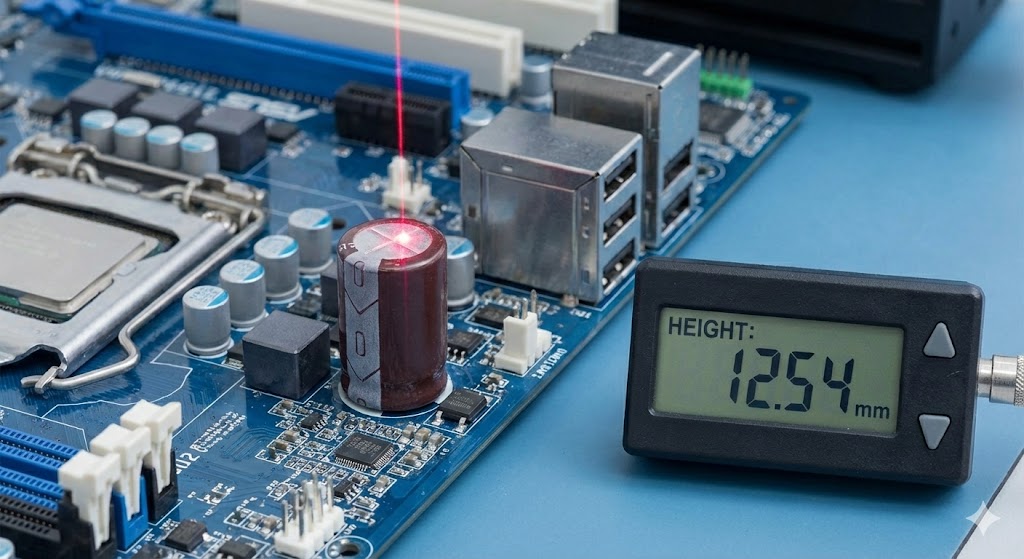
In conclusion, laser sensors represent a transformative technology in military operations. From enabling pinpoint strikes and detailed battlefield mapping to securing bases and detecting invisible threats, their role is both expansive and deepening. As sensor fusion—the integration of data from laser, radar, electro-optical, and other sensors—becomes more advanced, the situational picture provided to commanders will only grow richer and more actionable. The continued investment in and deployment of advanced laser sensing technologies are paramount for maintaining tactical and strategic superiority in an increasingly complex global security environment. Their precision, reliability, and versatility ensure they will remain at the forefront of defense innovation for decades to come.