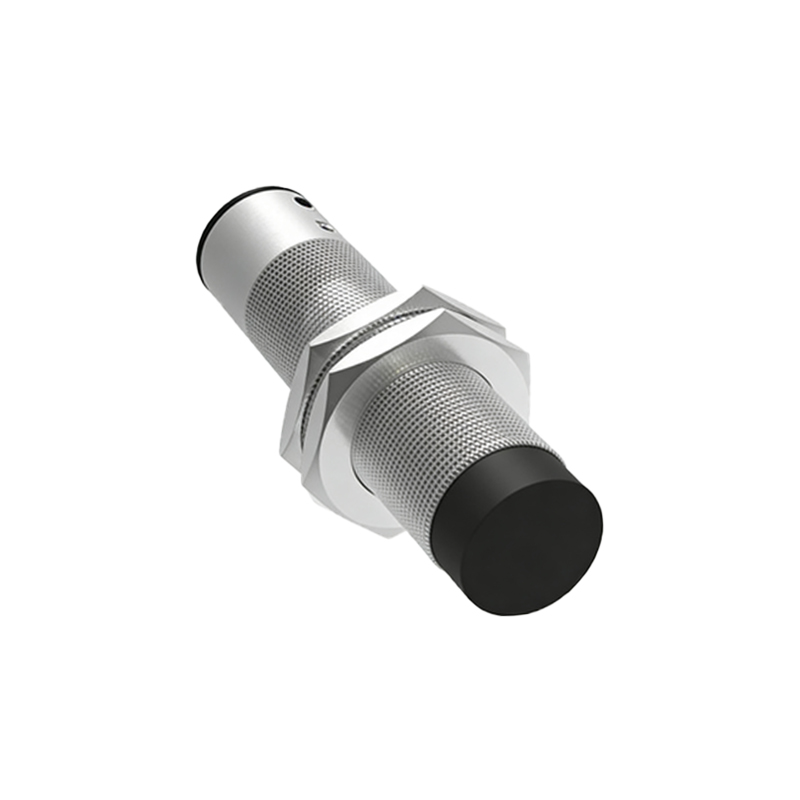
Infrared (IR) proximity sensors are fundamental components in modern automation, robotics, and consumer electronics. These devices operate by emitting an infrared light beam and detecting its reflection from a nearby object. Unlike ultrasonic sensors, they rely on light, making them ideal for applications requiring fast response times and detection of non-metallic objects. The core principle involves an IR LED emitter and a photodiode or phototransistor receiver. The emitter sends out a modulated IR signal (typically at a wavelength of 850-950 nm to avoid interference from ambient light). When an object enters the sensing range, it reflects part of this signal back to the receiver. The sensor's internal circuitry then processes this reflected signal to determine the presence or absence of the object, and in more advanced models, can approximate distance based on the intensity of the reflected light or through triangulation methods.
The advantages of IR proximity sensors are numerous. They offer non-contact detection, which eliminates mechanical wear and tear. Their response time is exceptionally fast, often in the microsecond range, suitable for high-speed counting or object positioning tasks. They are generally compact, energy-efficient, and can detect a wide variety of materials, including glass, plastic, wood, and liquids, provided the object's surface reflects infrared light to some degree. However, their performance can be influenced by environmental factors. Sunlight or strong artificial light containing IR spectrum can saturate the receiver, causing false readings. Dark, matte, or IR-absorbent surfaces may reflect insufficient light, reducing the effective sensing range. Dust, fog, or other particulates in the air can also scatter the IR beam.
In industrial settings, IR proximity sensors are ubiquitous. They are used for object detection on conveyor belts, jam detection in machinery, bottle/cap counting in packaging lines, and as safety curtains to protect personnel. In robotics, they serve as collision avoidance sensors, helping autonomous guided vehicles (AGVs) and robotic arms navigate their environment. The consumer electronics market heavily relies on them for touchscreen display management (like turning off the screen during a phone call), gesture recognition, and automatic faucet or soap dispenser activation.
Selecting the right IR proximity sensor requires careful consideration of several parameters. The sensing range is paramount; it must match the application's distance requirements. Beam pattern, or sensing field, is another critical factor—some have a focused, narrow beam for precise detection, while others have a wide beam for area monitoring. The output type must interface correctly with the control system; common options include digital (NPN/PNP transistor) or analog (0-10V, 4-20mA) outputs. Environmental ratings, such as IP (Ingress Protection) codes for dust and water resistance, are vital for harsh conditions. Finally, consider the supply voltage, response frequency, and housing material. For instance, a stainless-steel housing is preferred for washdown environments in food and beverage plants.
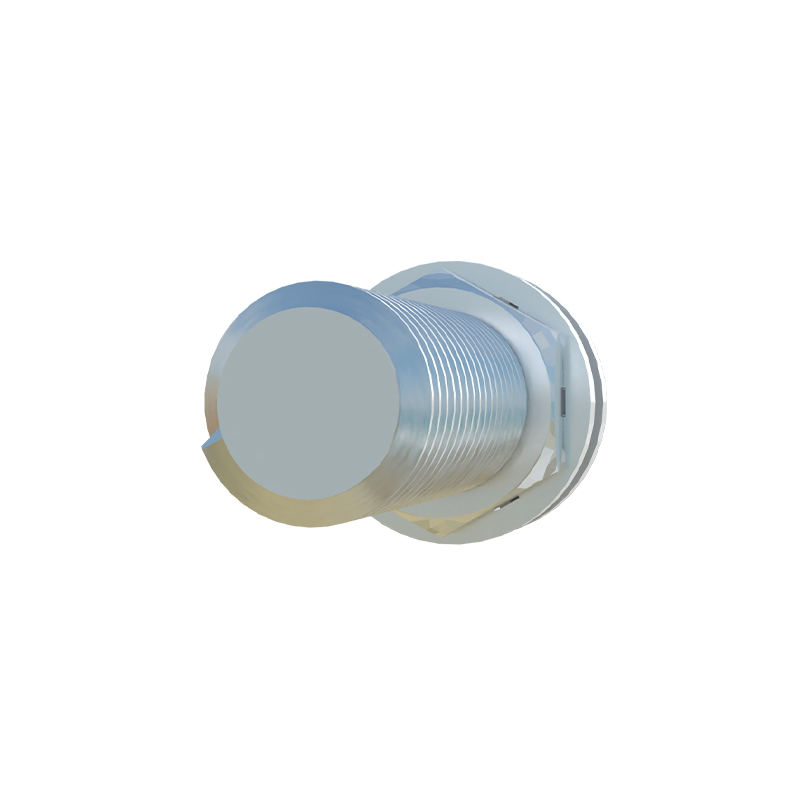
Installation and maintenance are straightforward but crucial for optimal performance. Ensure the sensor is mounted securely, aligned correctly with the target path, and free from vibration. Keep the lens clean from dirt, oil, or condensation. When installing multiple sensors side-by-side, prevent optical crosstalk by using models with modulated light or by installing physical barriers. Regular testing with a standard target at the nominal sensing distance is recommended to verify performance over time.
Future trends point towards smarter, more integrated sensors. The development of IR sensor arrays and time-of-flight (ToF) sensors, which measure the time for light to return, provides more accurate distance data and even simple 3D mapping capabilities. Integration with IO-Link and other industrial communication protocols allows for detailed parameter setting, remote diagnostics, and predictive maintenance data, embedding IR proximity sensors deeper into the Industrial Internet of Things (IIoT) ecosystem. In conclusion, understanding the operating principles, strengths, limitations, and key selection criteria of infrared proximity sensors is essential for engineers and designers to deploy them effectively, enhancing efficiency and enabling innovative functionalities across countless industries.