In the rapidly evolving field of electrical engineering, the integration of advanced sensing technologies has become paramount for innovation and efficiency. Among these, Mixly laser sensors stand out as a versatile and powerful tool, enabling precise detection, measurement, and control in various applications. This article delves into the functionality, benefits, and practical uses of Mixly laser sensors, providing insights for engineers and hobbyists alike.
Mixly laser sensors operate on the principle of emitting a focused laser beam and analyzing the reflected light to determine distance, presence, or object characteristics. These sensors typically utilize time-of-flight or triangulation methods to achieve high accuracy, often within millimeter ranges. Their compact design and low power consumption make them suitable for embedded systems, robotics, and automation projects. For instance, in industrial settings, Mixly laser sensors are employed for quality control, such as detecting minute defects on production lines or ensuring precise alignment in assembly processes. The ability to interface seamlessly with microcontrollers like Arduino or Raspberry Pi through the Mixly graphical programming environment simplifies development, allowing users to quickly prototype and deploy solutions without extensive coding expertise.
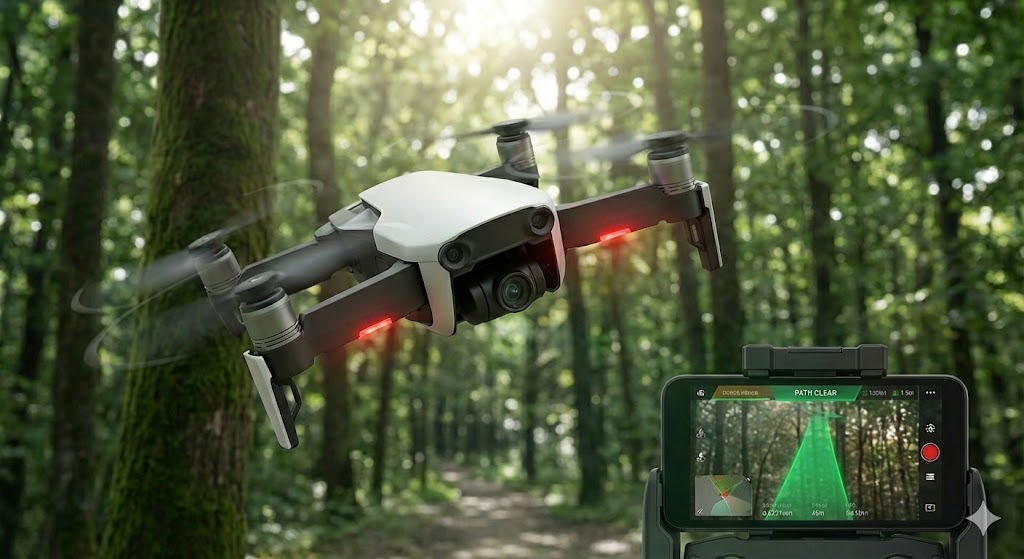
One of the key advantages of Mixly laser sensors is their adaptability across diverse environments. Unlike traditional sensors that may struggle with varying light conditions or surface textures, laser sensors offer consistent performance due to their coherent light source. This reliability is crucial in applications like autonomous navigation, where sensors must accurately map surroundings to avoid obstacles. Additionally, their fast response times enable real-time data acquisition, essential for dynamic systems such as drones or smart home devices. Engineers can leverage these features to enhance safety and efficiency, whether in designing automated guided vehicles (AGVs) or creating interactive installations.
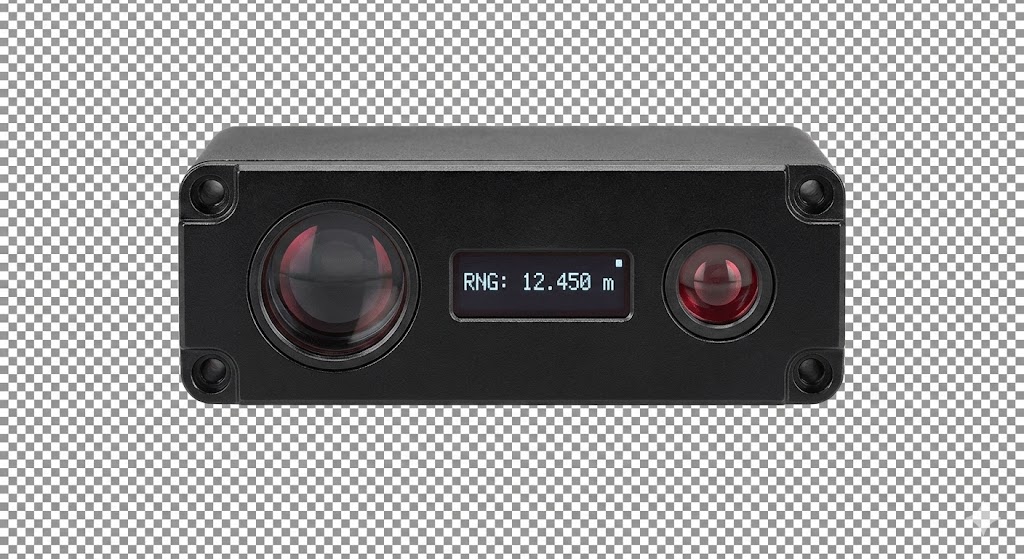
From an educational perspective, Mixly laser sensors serve as an excellent introduction to sensing technology. The Mixly platform's user-friendly interface allows students and beginners to experiment with concepts like distance measurement, object tracking, and environmental monitoring. By connecting sensors to simple circuits and programming them via drag-and-drop blocks, learners gain hands-on experience in electronics and data analysis. This accessibility fosters creativity, encouraging projects like laser-based security systems or artistic light displays. Moreover, the open-source nature of many Mixly components promotes collaboration and innovation within the maker community.

In practical terms, implementing Mixly laser sensors requires attention to calibration and environmental factors. Proper alignment and regular maintenance ensure optimal performance, especially in dusty or humid conditions where laser beams might scatter. Engineers should also consider safety precautions, as direct exposure to laser light can pose risks. Using protective enclosures and adhering to industry standards, such as those set by the International Electrotechnical Commission (IEC), mitigates potential hazards. As technology advances, we can expect further miniaturization and enhanced features in Mixly laser sensors, such as integrated AI for smarter decision-making or wireless connectivity for IoT integration.
Overall, Mixly laser sensors represent a significant advancement in sensing technology, bridging the gap between simplicity and sophistication. Their role in modern electrical engineering continues to expand, driven by the demand for precision and automation. By understanding their capabilities and applications, professionals can harness these tools to solve complex challenges and drive future innovations. Whether for industrial automation, educational projects, or personal hobbies, Mixly laser sensors offer a reliable and efficient solution that aligns with the evolving needs of the tech landscape.