Laser sensors have become indispensable tools across a wide spectrum of industrial applications, from precision manufacturing and robotics to automotive assembly and logistics. Their ability to provide non-contact, high-accuracy measurements for distance, position, and presence detection makes them a preferred choice. However, the cost of a laser sensor is not a single figure but a spectrum influenced by a complex interplay of technical specifications, performance requirements, and application-specific needs. Understanding these factors is crucial for making an informed procurement decision that balances performance with budget.
The core determinant of cost lies in the sensor's performance specifications. Measurement Range and Accuracy are primary drivers. A sensor designed for long-range detection (e.g., 10 meters or more) with sub-millimeter accuracy requires more sophisticated optics and signal processing electronics than a short-range, centimeter-accurate device. Similarly, Resolution, or the smallest detectable change in measurement, adds to the complexity and cost. High-speed applications demand sensors with fast Response Time and high Sampling Rates, necessitating advanced processors and high-quality laser diodes, which increase the price point.
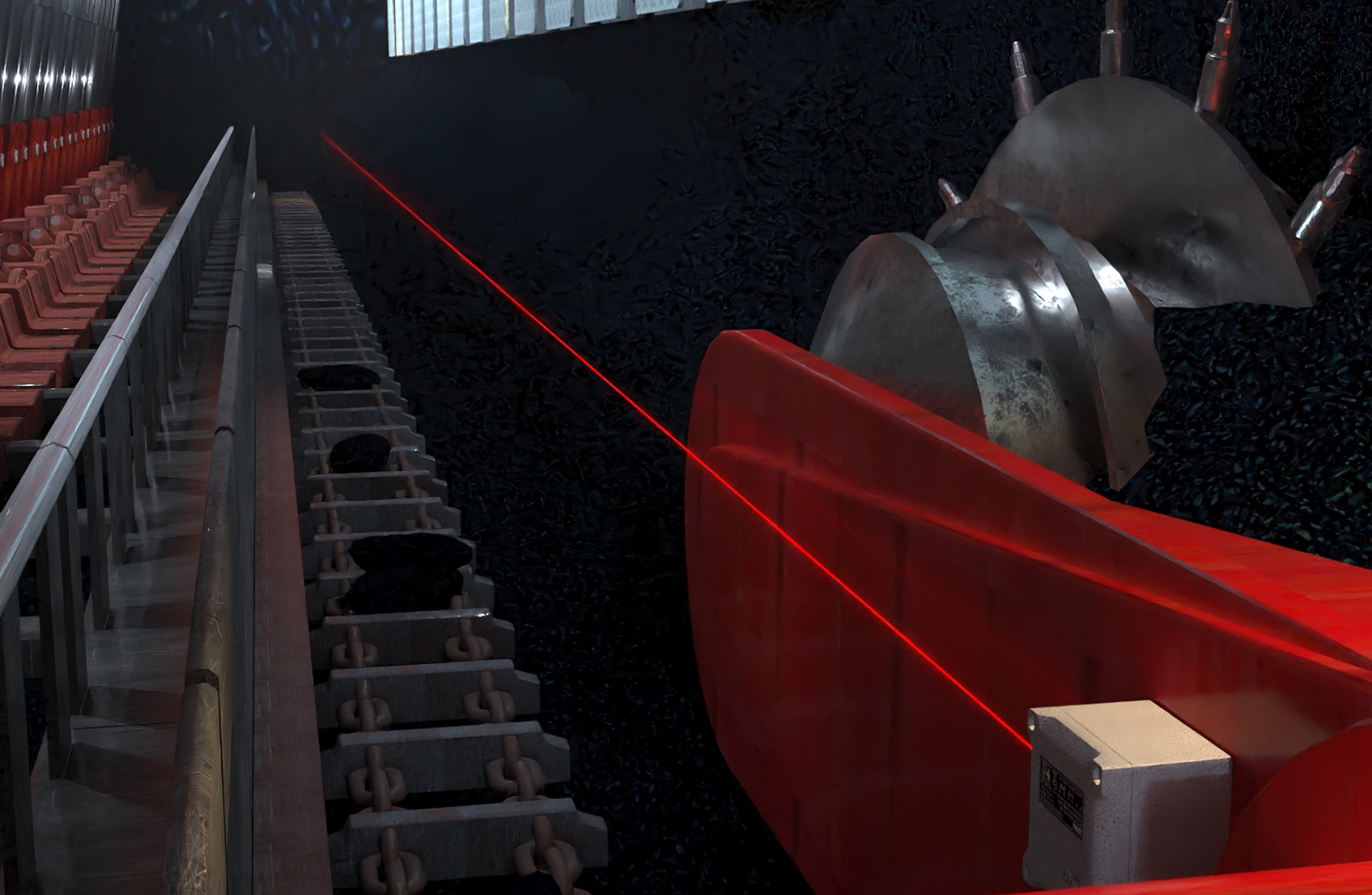
The type of measurement principle employed significantly impacts the design and expense. Time-of-Flight (ToF) sensors, which calculate distance based on the time it takes for a laser pulse to return, are common for medium to long ranges but vary in cost based on their precision. Triangulation sensors, offering very high accuracy at shorter ranges, use a precise arrangement of a laser emitter, a receiving lens, and a position-sensitive detector (PSD or CMOS), making their mechanical and optical alignment critical and costly. More specialized types like confocal chromatic sensors or interferometric sensors provide extreme accuracy for specialized tasks, commanding a premium price.
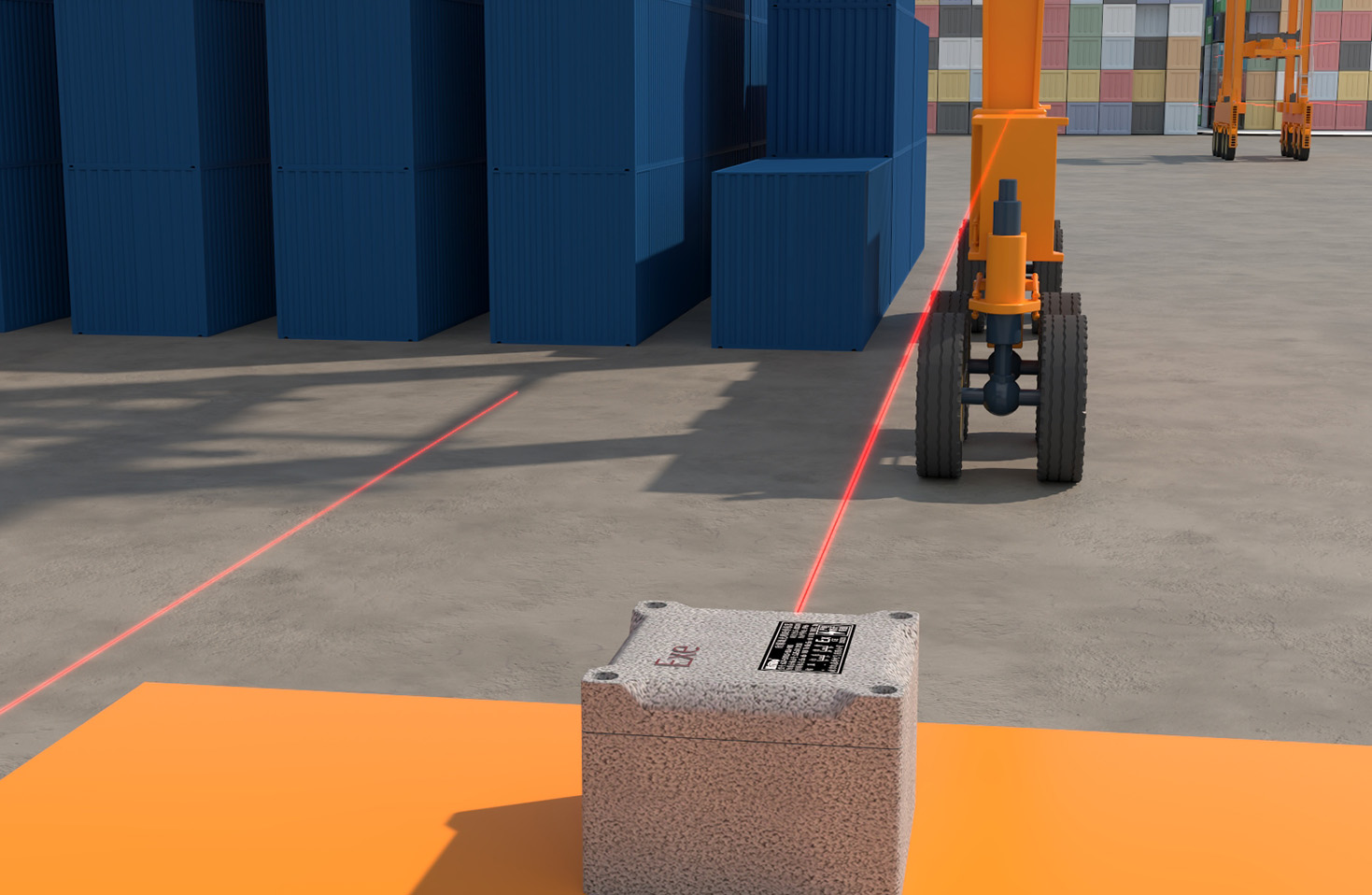
Laser Class and Wavelength are also key factors. Class 1 lasers, which are inherently safe under all conditions of normal use, often incorporate additional safety features and designs, potentially increasing cost compared to Class 2 or 3R devices that require more user caution. The wavelength (e.g., 650nm red visible, 850nm infrared) affects the type of laser diode and detector used, with some wavelengths being more expensive to produce or better suited for specific materials (e.g., red for high contrast on white surfaces, IR for reduced ambient light interference).
Environmental Robustness and Housing account for a substantial portion of the cost, especially in industrial settings. Sensors rated with high Ingress Protection (IP) ratings (e.g., IP67, IP69K) for dust and water resistance, built with rugged metal housings, and designed to withstand significant Temperature Fluctuations, Vibration, and Shock involve more expensive materials, sealing techniques, and rigorous testing. A sensor destined for a clean laboratory environment will inherently cost less than one engineered for a harsh automotive production line.
Features and Outputs add layers of functionality and expense. Basic sensors may offer simple switching outputs. More advanced models include analog outputs (4-20mA, 0-10V), digital interfaces (IO-Link, Ethernet/IP, PROFINET), and sophisticated onboard programmability for logic functions, window comparators, or filtering. These features enhance integration into Industry 4.0 and smart factory ecosystems but increase development and component costs.
Brand, Support, and Certification influence the price beyond pure hardware. Established brands with a long history in industrial sensing often command higher prices due to proven reliability, extensive global support networks, comprehensive documentation, and long-term availability. Certifications for use in specific industries (e.g., ATEX for explosive atmospheres, FDA for food and pharmaceutical) involve additional testing and compliance steps, reflecting in the final cost.
Finally, the Volume of Purchase is a universal economic factor. Buying a single sensor for prototyping will have a much higher unit cost than procuring hundreds for an assembly line. Many manufacturers offer tiered pricing for volume orders.
In conclusion, the question "How much does a laser sensor cost?" can only be answered by first defining the application's requirements for range, accuracy, speed, environment, connectivity, and reliability. A basic background suppression sensor for object detection may cost under a hundred dollars, while a high-precision, ruggedized triangulation sensor with analog and IO-Link outputs for robotic guidance can easily reach several hundred to over a thousand dollars. Investing time in a thorough needs analysis ensures the selected sensor delivers the required performance and durability, providing true value and minimizing total cost of ownership over its operational life, rather than just minimizing the initial purchase price.