In the demanding environment of construction and industrial material handling, concrete pumps are critical workhorses. Their reliable operation hinges on the precise control of the pumping mechanism, a task where proximity sensors play an indispensable role. These non-contact electronic devices are the silent sentinels, ensuring operational safety, efficiency, and longevity of the entire pumping system. This guide delves into the technical aspects, selection criteria, and best practices for proximity switch sensors in concrete pump applications.
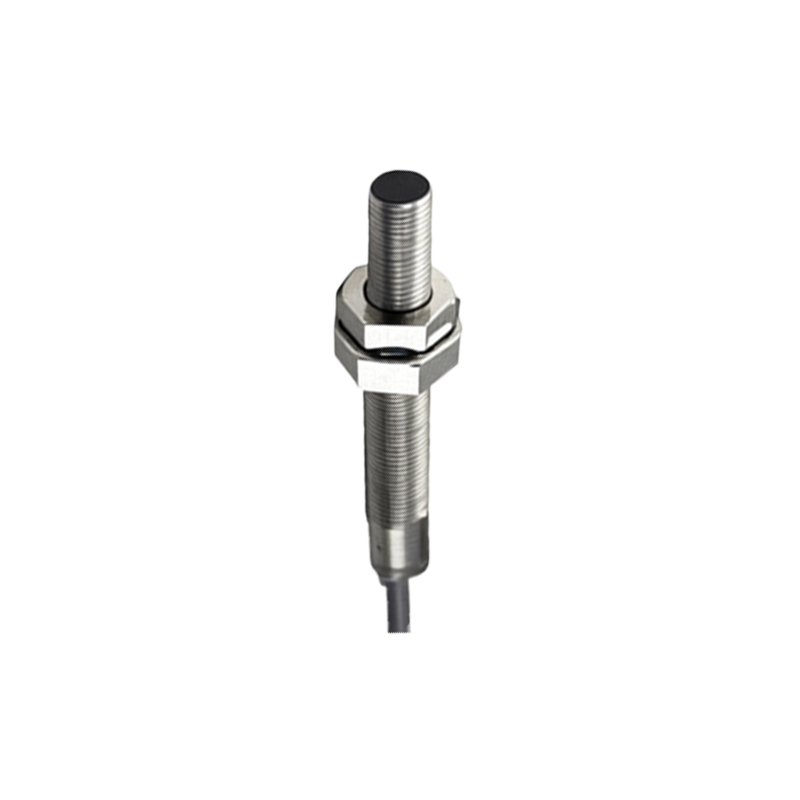
Proximity sensors, specifically inductive and capacitive types, are predominantly used in concrete pumps. Inductive sensors are the workhorse for detecting metallic components. They generate an electromagnetic field and react to the presence of a metal target, such as the piston head, cylinder rod, or valve plate. Their robustness against dirt, moisture, and vibration makes them ideal for the harsh, abrasive environment where concrete dust and slurry are prevalent. Common applications include end-of-stroke detection for the hydraulic cylinders, monitoring the position of the S-tube or rock valve in boom pumps, and detecting the presence of the agitator shaft in the hopper. The sensor provides a clean, switch-like signal to the pump's PLC or control system, indicating whether a component is in the "home" or "actuated" position.
Capacitive sensors, while less common for metal detection, are invaluable for level sensing. They can detect the presence of non-metallic materials like water, oil, or, crucially, the concrete mix itself. In a concrete pump, a capacitive sensor might be used in the hydraulic oil reservoir for low-level alarm or in a water tank system. Their ability to sense through non-metallic tank walls allows for sealed, non-intrusive installation.
Selecting the right proximity sensor for a concrete pump is a calculated decision based on several technical parameters. First, the sensing distance, or "switching distance," must be carefully chosen. It must be sufficient for reliable detection but not so large as to cause false triggering from other nearby metallic structures. Environmental protection is paramount. Sensors must have a high Ingress Protection (IP) rating, typically IP67 or higher, to withstand high-pressure washdowns, driving rain, and immersion in slurry. The housing material is equally critical; stainless steel (e.g., V2A/AISI 304 or V4A/AISI 316) housings offer superior resistance to corrosion from concrete additives and cleaning chemicals. Electrically, the output type (PNP/NPN, NO/NC) must be compatible with the pump's control system input cards. For hydraulic cylinder applications, sensors with high resistance to magnetic fields (ferrite-resistant) are essential to avoid interference from the powerful solenoids in hydraulic valve blocks.
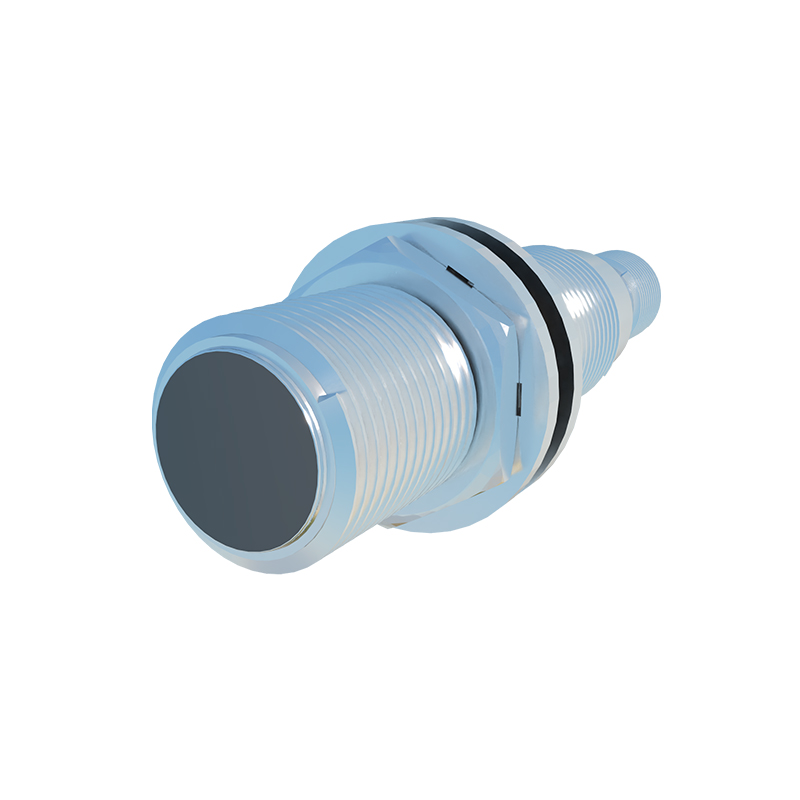
Installation and maintenance are key to sensor longevity. Mechanical mounting must be secure to resist the intense vibrations inherent to diesel engines and hydraulic systems. Proper alignment with the target is crucial for consistent operation; even a few degrees of misalignment can reduce the effective sensing range. Wiring should be routed away from high-current power cables to prevent electromagnetic interference, and connections must be sealed with waterproof connectors. A routine maintenance schedule should include visual inspection for physical damage or buildup of hardened concrete, cleaning of the sensing face with appropriate solvents, and functional testing by manually cycling the target component and verifying the control system response.
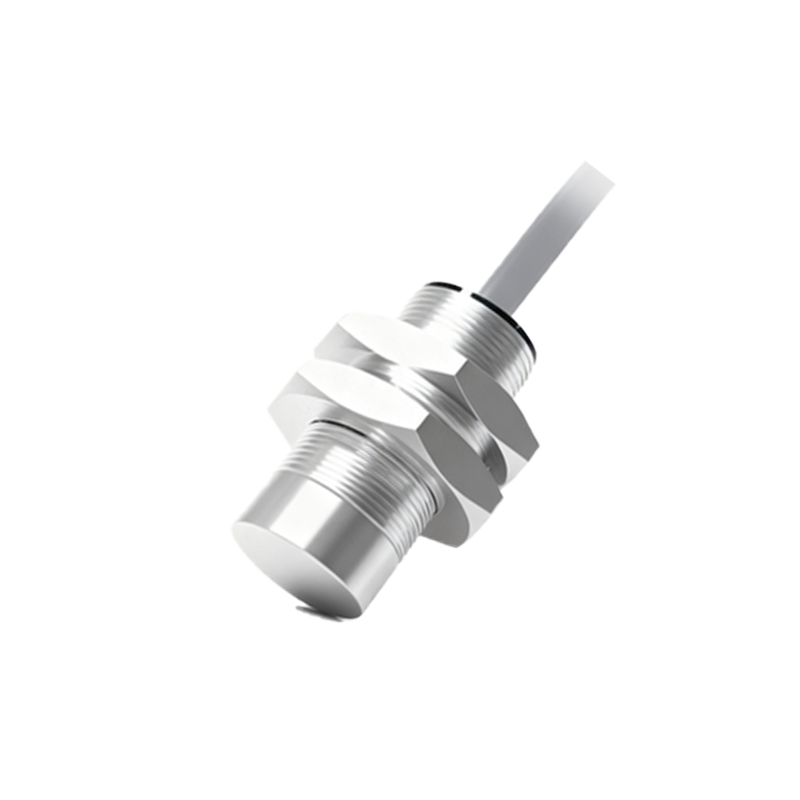
Common failure modes in these environments include cable fatigue from constant vibration, cracking of the epoxy potting inside the sensor due to thermal cycling, and coating of the sensing face with a thick layer of conductive material (like wet concrete), which can cause a capacitive sensor to latch on or an inductive sensor to malfunction. Proactive replacement as part of a preventative maintenance plan is often more cost-effective than unplanned downtime on a critical pour.
In summary, proximity sensors are vital for the automated, safe, and efficient operation of modern concrete pumps. A deep understanding of their operating principles, coupled with informed selection based on environmental and electrical requirements, ensures optimal performance. Rigorous installation practices and disciplined maintenance turn these sophisticated electronic components into reliable assets, directly contributing to the productivity and uptime of pumping equipment on any job site, from high-rise construction to infrastructure projects.