In the rapidly evolving landscape of new energy systems—encompassing electric vehicles (EVs), renewable energy generation, and advanced energy storage—proximity sensors play a critical yet often understated role. These components are fundamental for position detection, safety interlocks, and automated control in high-voltage battery packs, charging systems, wind turbines, and solar panel tracking mechanisms. However, the operational environments within these applications present unique challenges that can significantly impact sensor longevity. Unlike traditional industrial settings, new energy systems demand sensors that can withstand extreme thermal cycling, high electromagnetic interference (EMI), potent chemical exposures, and constant vibration. Understanding the factors that govern proximity sensor lifespan and implementing strategies to extend it are paramount for ensuring system reliability, safety, and overall cost-effectiveness.
The primary determinants of a proximity sensor's operational life in harsh new energy environments are multifaceted. First and foremost is thermal stress. Sensors located within EV battery compartments or power inverters experience wide temperature fluctuations. Excessive heat accelerates the degradation of internal electronic components, insulation materials, and semiconductor junctions, while extreme cold can embrittle housing materials and affect signal stability. Secondly, environmental contaminants pose a severe threat. In battery manufacturing or offshore wind installations, sensors may be exposed to corrosive electrolytes, salty atmospheres, conductive dust, or moisture ingress. Even sealed sensors can succumb over time if the housing integrity is compromised by mechanical stress or chemical attack. Thirdly, electrical stress is a major factor. Voltage transients, surges from inductive loads (like motors in pitch control systems), and sustained high-frequency EMI from power electronics can degrade sensor circuitry and lead to premature failure. Finally, mechanical factors such as constant vibration in moving vehicles or turbines can loosen connections, cause material fatigue, and lead to physical damage.
To combat these challenges and maximize sensor lifespan, a proactive, system-level approach is essential. Selection is the first critical step. Engineers must specify sensors designed explicitly for demanding applications. Key specifications to scrutinize include:
Ingress Protection (IP) Rating: Opt for sensors with a high IP rating (e.g., IP67, IP69K) to ensure robust sealing against dust and liquids.
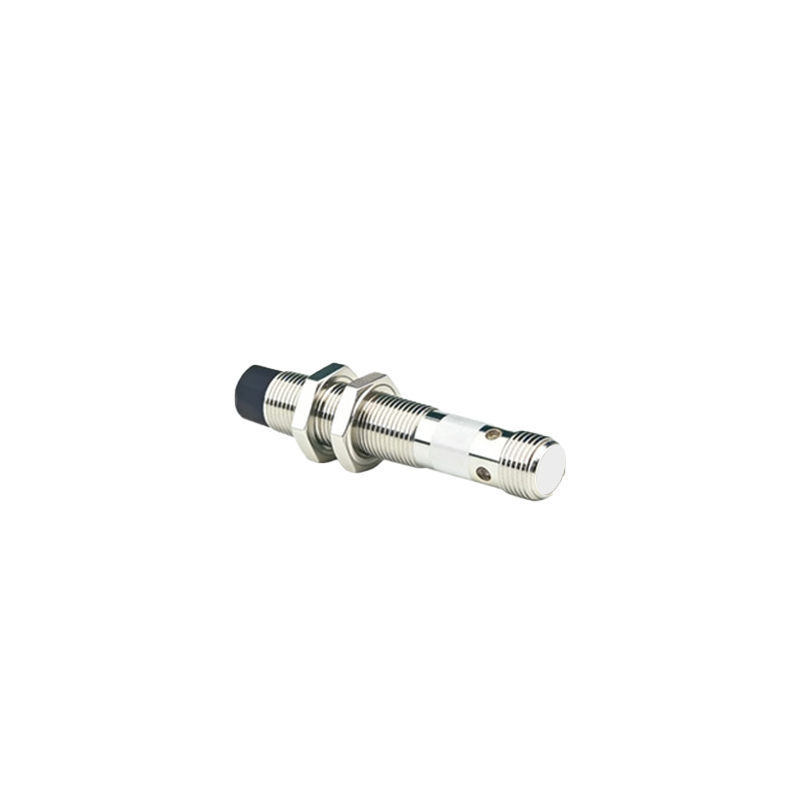
Temperature Range: Choose sensors with an operating and storage temperature range that exceeds the anticipated maximum and minimum environmental conditions.
EMI/RFI Immunity: Select models with certified immunity to electromagnetic and radio-frequency interference, crucial for environments rich in power converters.
Housing Material: Stainless steel (particularly V4A/AISI 316L) or specialized plastics offer superior resistance to corrosion and chemicals compared to standard materials.
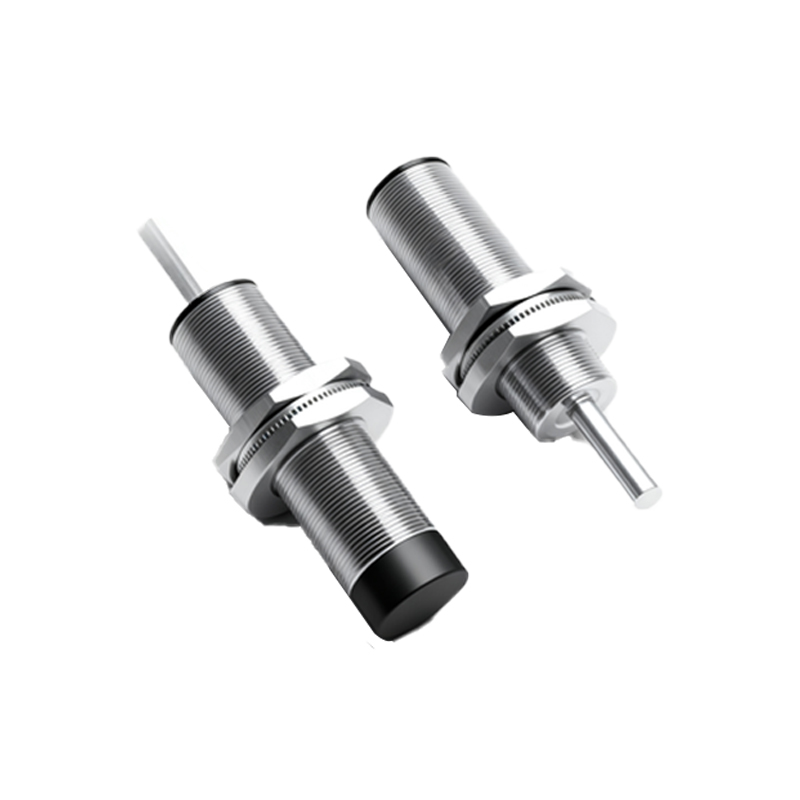
Connection Technology: M12 or M8 circular connectors with proper strain relief are generally more reliable in vibrating environments than simple cable glands.
Installation and integration practices are equally vital. Proper mounting is crucial; sensors should be securely fastened using appropriate hardware to minimize vibration-induced movement. Adequate clearance from heat sources like busbars or power modules must be maintained. Electrical installation requires careful attention to wiring. Using shielded cables, grounded correctly at one end, is imperative to drain off EMI. Surge protection devices (SPDs) and proper fusing on the supply lines can shield sensors from voltage spikes. Ensuring a stable, clean power supply within the sensor's specified voltage range prevents electrical overstress.
Beyond initial setup, a predictive maintenance strategy, enabled by condition monitoring, can preempt failures. While traditional inductive or capacitive proximity sensors are typically discrete devices, modern "smart" sensors with IO-Link or analog outputs can provide diagnostic data such as operating temperature, signal strength, or switch cycle counts. Integrating this data into the supervisory control system allows for trend analysis. A gradual decrease in detection distance or an increase in operating temperature can serve as early warning indicators, prompting maintenance before a catastrophic failure occurs. Regular visual inspections for physical damage, corrosion, or loose connections remain a simple yet effective practice.
In conclusion, the longevity of proximity sensors in new energy applications is not a matter of chance but a result of deliberate engineering choices. It hinges on the careful selection of hardened components, meticulous installation following best practices, and the adoption of data-informed maintenance routines. As the new energy sector continues to push the boundaries of performance and durability, the reliability of foundational components like proximity sensors becomes increasingly linked to the overall success and safety of the system. Investing in quality, robustness, and smart monitoring is an investment in the sustained and efficient operation of the clean energy technologies of tomorrow.