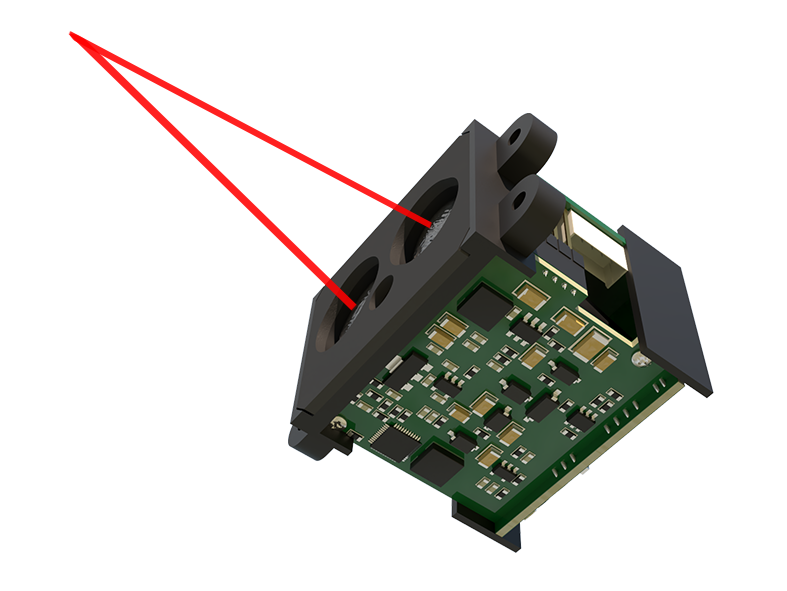
Laser distance sensors, a cornerstone of modern industrial automation and precision measurement, operate on the fundamental principle of time-of-flight (ToF) or phase-shift measurement. In the ToF method, the sensor emits a short pulse of laser light towards a target. A high-speed receiver within the sensor then detects the reflected pulse. By precisely calculating the time difference between emission and reception, and knowing the constant speed of light, the sensor computes the distance to the target with remarkable accuracy. The phase-shift method, often used for even higher precision at shorter ranges, involves emitting a continuously modulated laser beam. The distance is determined by measuring the phase difference between the emitted and reflected modulated signals. These non-contact measurement techniques offer significant advantages over traditional mechanical methods, including high speed, exceptional accuracy, and the ability to measure delicate, hot, or moving objects without physical interaction.
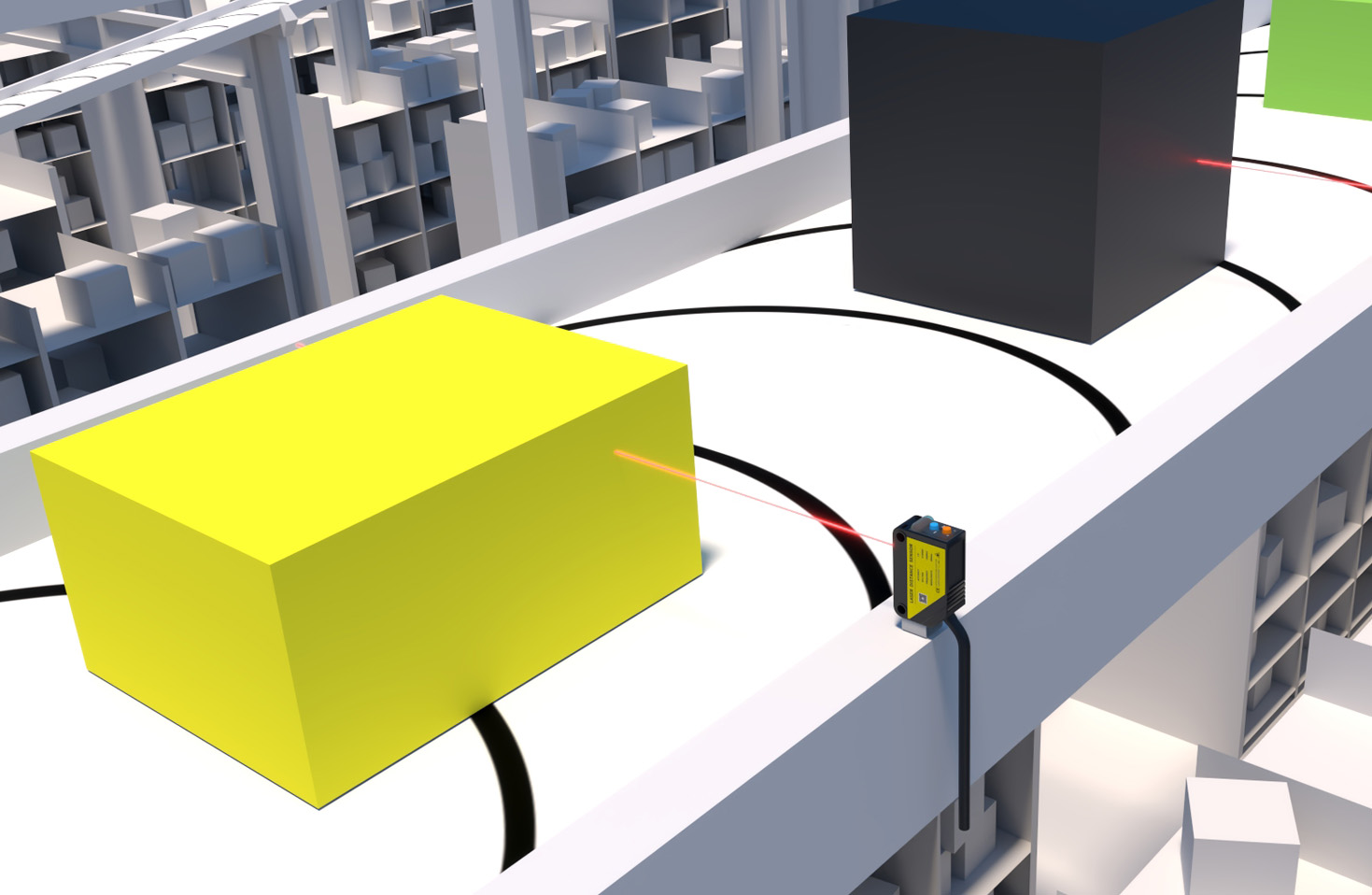
The applications of laser distance sensors span a vast array of industries, underscoring their versatility. In manufacturing and robotics, they are indispensable for precise positioning, contour profiling, and dimensional inspection of components on assembly lines. They enable robots to navigate and handle objects with sub-millimeter precision. In the construction and civil engineering sectors, these sensors are used for leveling, monitoring structural deformations, and calculating volumes. The logistics industry relies on them for palletizing, warehouse management, and measuring package dimensions for automated sorting systems. Furthermore, they play a critical role in automotive testing for gap and flush measurement, in agriculture for monitoring crop growth, and in unmanned aerial vehicles (UAVs) for terrain mapping and obstacle avoidance.
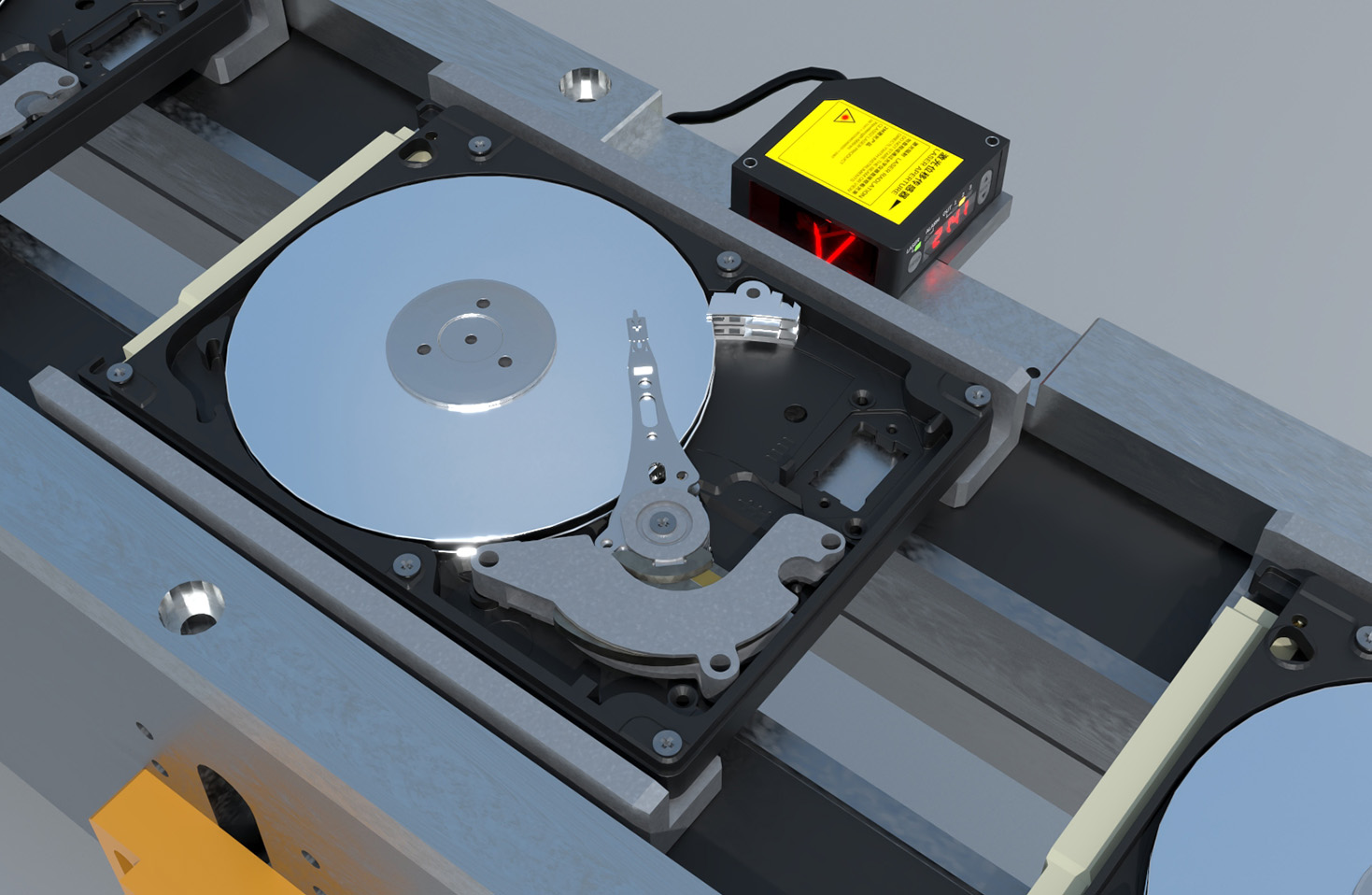
Selecting the appropriate laser distance sensor for a specific application requires careful consideration of several key technical parameters. The measuring range is the foremost criterion, with sensors available from a few centimeters to several hundred meters. Resolution and accuracy define the sensor's precision; high-end models can achieve resolutions in the micrometer range. The response time or measurement frequency determines how quickly the sensor can update distance readings, which is crucial for high-speed dynamic applications. Environmental factors such as ambient light, dust, fog, or the target's surface properties (color, reflectivity, texture) can significantly impact performance. Therefore, sensors with robust housing (e.g., IP67 rating), integrated background suppression filters, or special algorithms for handling difficult surfaces are often necessary. Interface options (analog outputs, digital protocols like IO-Link, RS-232, or Ethernet) must also be compatible with the existing control system.
Recent advancements continue to push the boundaries of laser distance sensor technology. The development of more compact, energy-efficient designs allows for integration into smaller devices. Enhanced algorithms improve performance on low-reflectivity or transparent surfaces, which were traditionally challenging. The integration of sensor data with industrial IoT platforms facilitates predictive maintenance and real-time process optimization. Furthermore, the emergence of multi-point sensors and laser line profilers extends capabilities from single-point distance measurement to capturing complete 3D profiles.
In conclusion, laser distance sensors are powerful, flexible tools that provide critical data for automation, quality control, and safety across diverse sectors. Their non-contact nature, combined with high precision and speed, makes them superior to many alternative measurement techniques. A thorough understanding of their operating principles, coupled with a systematic evaluation of application requirements against sensor specifications, is essential for successful implementation. As technology evolves, these sensors will undoubtedly become even more intelligent, integrated, and indispensable to the future of industrial innovation and beyond.