Proximity switch sensors are fundamental components in modern industrial automation, robotics, and safety systems. Their manufacturing requires specialized equipment and precise engineering to ensure reliability, accuracy, and longevity. This article delves into the core machinery and processes involved in producing these critical inductive, capacitive, and magnetic sensors, providing a technical overview for industry professionals.
The manufacturing journey begins with the core component production. For inductive proximity sensors, this involves winding machines. High-precision, automated coil winding equipment is essential. These machines must handle fine-gauge enameled copper wire with extreme consistency, applying specific tension and layering patterns to create the oscillator coil that generates the electromagnetic field. The precision of this winding directly impacts the sensor's switching point accuracy and temperature stability. Following winding, the coils undergo impregnation or potting processes using specialized resin dispensing systems to protect against moisture, vibration, and chemical exposure.
The housing and sensing face manufacturing utilizes injection molding machines. Engineering-grade plastics like PBT (Polybutylene Terephthalate) or PPS (Polyphenylene Sulfide) are common for their durability and stable dielectric properties. The molding equipment must produce parts with tight tolerances, especially for the sensing face thickness, as this is critical for the nominal sensing distance (Sn). For cylindrical housings, CNC lathes and machining centers are employed to create metal threads (e.g., M8, M12, M18, M30) from stainless steel or brass, ensuring IP67 or IP69K ratings are achievable.
Assembly lines for proximity sensors are highly automated. Robotic pick-and-place systems are standard for populating printed circuit boards (PCBs) with surface-mount devices (SMDs). The PCB itself, containing the oscillator, amplifier, Schmitt trigger, and output switching circuit, is produced using standard SMT (Surface-Mount Technology) lines, including solder paste printers, placement machines, and reflow ovens. A critical assembly step is the precise positioning and fixing of the wound coil onto or around the ferrite core and its connection to the PCB. Laser welding or automated soldering stations often perform this task to ensure a robust electrical and mechanical bond.
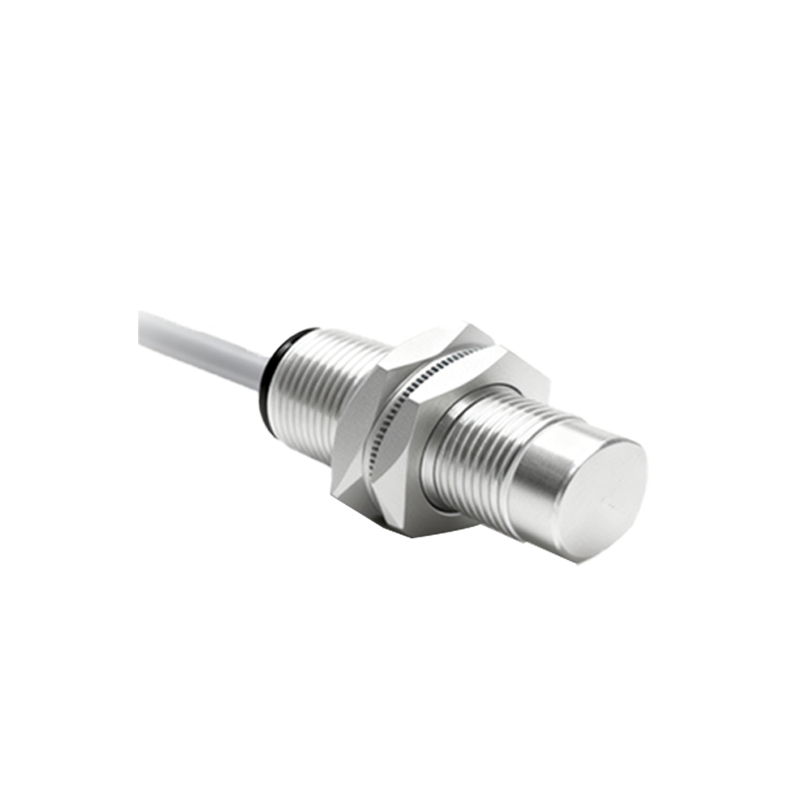
Potting or encapsulation is a vital phase. Automated metering, mixing, and dispensing (MMD) machines are used to fill the sensor housing with a protective epoxy or polyurethane compound. This equipment must be precisely calibrated to avoid air bubbles, ensure complete coverage of electronic components, and maintain the exact dielectric constant around the sensing coil. Curing is then done in controlled ovens or under UV light, depending on the material.
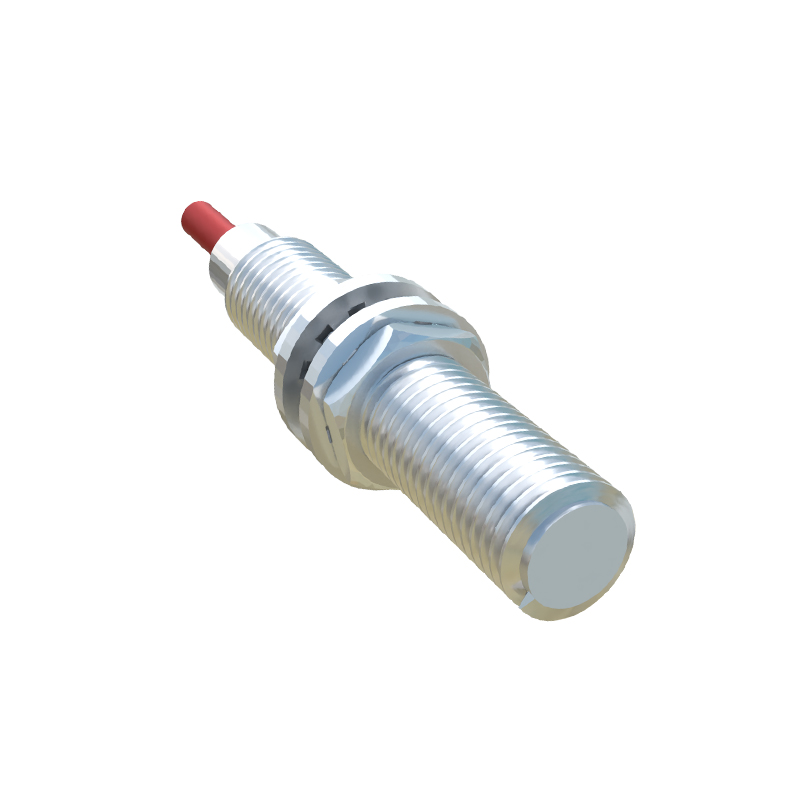
Calibration and testing are where the final performance is guaranteed. This requires sophisticated test benches. Each sensor typically passes through a series of automated checks: functional testing to verify switching output (PNP/NPN, NO/NC), distance testing using precision-actuated metal targets to verify the actual sensing distance against specifications, hysteresis measurement, temperature cycling tests, and finally, dielectric strength and insulation resistance tests. Advanced test systems use programmable logic controllers (PLCs) and data acquisition systems to log every parameter for traceability and quality control.
For specialized variants like analog output or IO-Link sensors, additional calibration equipment is needed to linearize the output signal and program the device's digital communication parameters. Laser marking equipment then etches the model number, serial number, and electrical data onto the housing.
The trend in manufacturing equipment is towards greater integration and Industry 4.0 connectivity. Modern production lines feature interconnected machines that share data in real-time, allowing for predictive maintenance of the equipment itself and sophisticated statistical process control (SPC) for the sensors. This minimizes downtime and ensures consistent product quality.
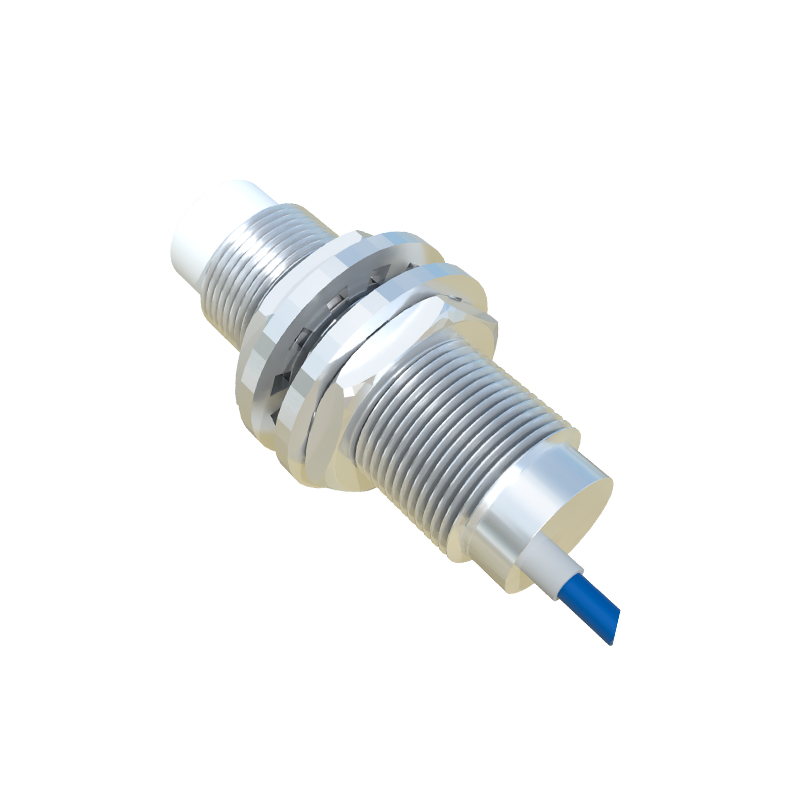
In conclusion, the production of high-quality proximity switches relies on a symphony of specialized equipment—from micro-precision coil winders and injection molders to fully automated assembly robots and rigorous test systems. Investment in advanced, reliable manufacturing technology is non-negotiable for producers aiming to meet the stringent demands of global industrial markets, where sensor failure can lead to significant production line stoppages. Understanding this equipment landscape is crucial for engineers involved in sensor specification, integration, and the pursuit of manufacturing excellence.