In today's rapidly evolving industrial and technological landscape, off-the-shelf proximity sensors often fall short of addressing specific, complex application challenges. Custom proximity sensor development has emerged as a critical solution, enabling engineers and designers to achieve unparalleled precision, reliability, and integration. Unlike standard models, a tailored sensor is engineered from the ground up to meet exact operational parameters, environmental conditions, and performance benchmarks.
The decision to pursue a custom design typically stems from limitations in standard offerings. These can include inadequate sensing range for a unique material, incompatibility with extreme temperatures or pressures, stringent size or form factor restrictions, or the need for a specific output signal or communication protocol. For instance, an automotive assembly line requiring detection of a non-ferrous composite material at a precise distance would not be well-served by a generic inductive sensor calibrated for steel. Similarly, a medical device needing a miniature, hermetically sealed sensor for sterile environments demands a bespoke approach.
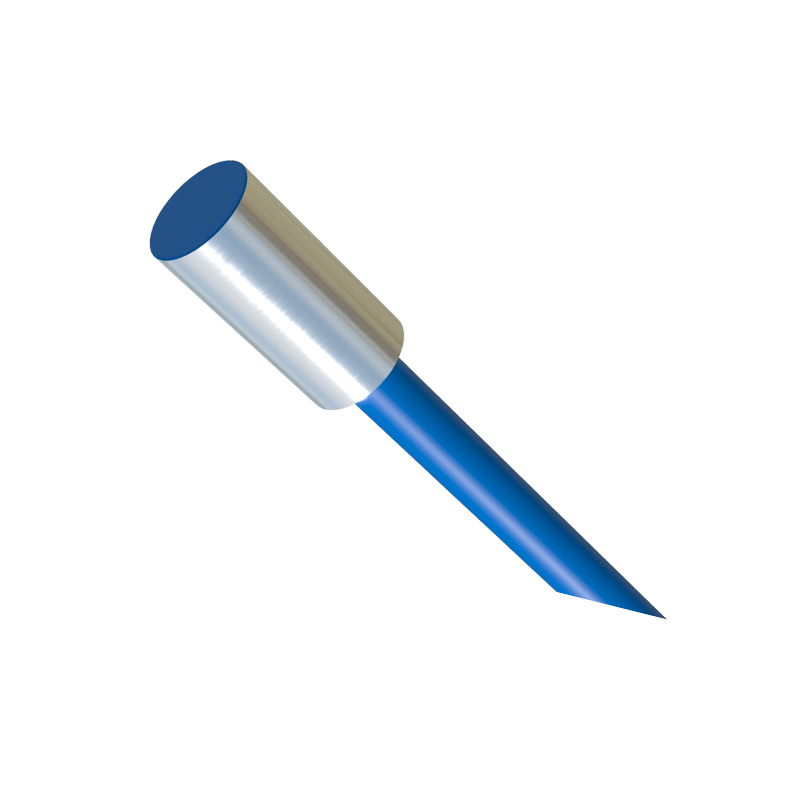
The customization process is a collaborative journey between the client and the sensor manufacturer. It begins with a thorough analysis of the application requirements. Key parameters discussed include the target material, required sensing distance, operating voltage, output type (e.g., NPN/PNP, analog, IO-Link), response time, and environmental factors like exposure to chemicals, moisture, vibration, or temperature extremes. Physical constraints such as housing shape, mounting style, and cable orientation are also meticulously defined.
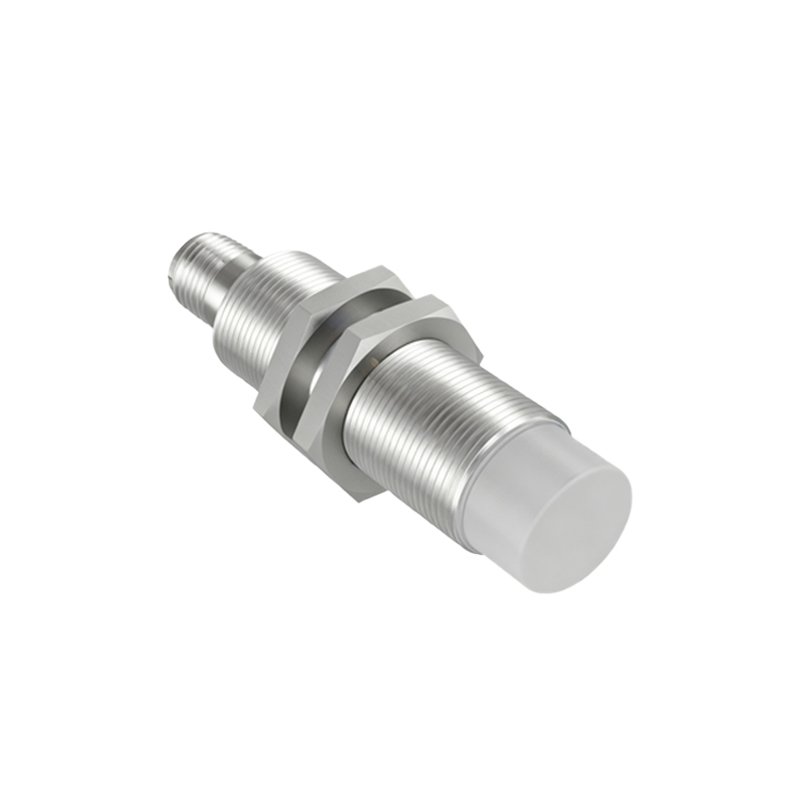
Based on these specifications, engineers select the most suitable sensing technology. Inductive sensors are customized for specific metal types and sensing ranges. Capacitive sensors can be tailored to detect unique non-metallic materials or levels through specific barriers. Ultrasonic sensors are modified for precise distance measurement in challenging atmospheres. Optical sensors, including infrared and laser types, are fine-tuned for color detection, small object sensing, or operation in dirty environments. The core electronics are then designed to deliver the exact switching behavior, hysteresis, and noise immunity required.
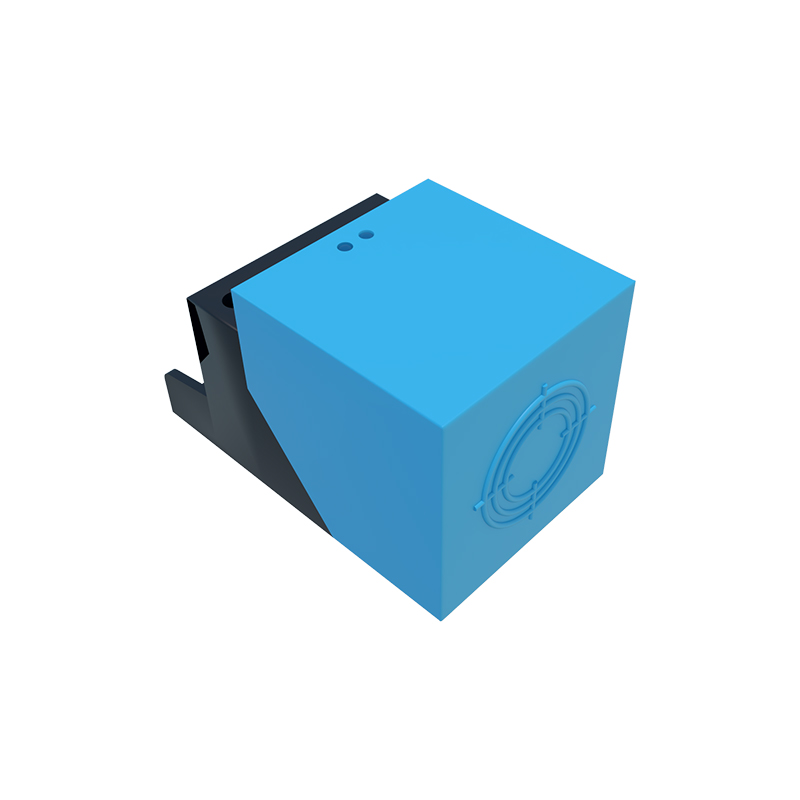
Material science plays a pivotal role in customization. Housing materials may be specified from stainless steel, nickel-plated brass, or specialized plastics like PEEK or PVDF to ensure corrosion resistance, food-grade compliance, or high-temperature endurance. The sensing face material is chosen for optimal performance and durability. Connectors and cabling are selected to meet IP ratings (Ingress Protection) for dust and water resistance, ensuring longevity in harsh industrial settings.
Prototyping and rigorous testing form the backbone of a successful custom sensor project. Initial prototypes are built and subjected to both laboratory tests and real-world application trials. This phase validates performance metrics such as accuracy, repeatability, long-term stability, and resilience against environmental stressors. Feedback from this stage is incorporated into the design, leading to refined pre-production samples. This iterative process continues until the sensor performs flawlessly in its intended application.
The benefits of investing in a custom proximity sensor are substantial. It leads to optimized machine performance, reducing false triggers and downtime. Enhanced reliability directly impacts overall equipment effectiveness (OEE). A perfectly fitted sensor can simplify system design, sometimes eliminating the need for additional mechanical components. While the initial development cost may be higher than buying a standard unit, the total cost of ownership is often lower due to increased productivity, reduced maintenance, and longer service life.
Custom sensors are indispensable across diverse sectors. In factory automation, they enable robotic arms to handle delicate or irregularly shaped items with precision. In the food and beverage industry, they are built with smooth surfaces and compliant materials for hygiene. Aerospace applications demand sensors that withstand extreme vibration and temperature fluctuations. Renewable energy systems, such as wind turbines, use ruggedized sensors for condition monitoring in remote locations.
When selecting a partner for custom proximity sensor development, look for a manufacturer with proven expertise in multiple sensing technologies, in-house engineering and manufacturing capabilities, and a structured development process. Clear communication, adherence to project timelines, and robust quality assurance protocols are essential. A true partner will work to understand not just the technical specifications, but the broader operational goals of your application.
In conclusion, custom proximity sensors represent a strategic investment for applications where precision, reliability, and integration are non-negotiable. By moving beyond the limitations of catalog products, businesses can unlock new levels of efficiency, innovation, and competitive advantage. The collaborative process of creating a sensor that is uniquely yours ensures that your machinery and systems operate at their absolute peak potential.