In the modern paper manufacturing and processing industries, precision measurement is paramount for ensuring product quality, optimizing production efficiency, and minimizing material waste. Among the various sensing technologies available, laser sensors have emerged as a superior solution for non-contact paper measurement, offering unparalleled accuracy, speed, and reliability. This article delves into the operational principles, key applications, and significant advantages of laser sensor technology in paper-related industries.
At its core, a laser sensor for paper measurement operates on the principle of optical triangulation or time-of-flight (ToF). In the more common triangulation method, a laser diode projects a focused beam of coherent light onto the paper surface. The diffuse reflection from this point is then captured by a high-resolution CMOS or CCD detector array positioned at a known angle. Any variation in the distance to the target paper surface causes the reflected light spot to shift laterally on the detector. This displacement is precisely calculated by the sensor's internal processor to determine the exact distance or thickness with micron-level resolution. For larger distance ranges, such as roll diameter monitoring, ToF sensors measure the phase shift or direct flight time of a modulated laser pulse.
The applications of laser sensors in the paper industry are extensive and critical. One primary application is caliper or thickness measurement. During production, laser sensors mounted on scanning frames traverse the moving web, providing continuous, real-time thickness profiles. This data is essential for maintaining consistent caliper, a key quality parameter, and allows for immediate feedback control to adjusting calendar rolls. Another vital use is in basis weight profiling. While not measuring mass directly, precise thickness mapping from laser sensors, when correlated with known density, provides an accurate indirect assessment of basis weight uniformity.
Surface inspection and defect detection represent another major domain. High-speed laser scanners can detect minute imperfections such as scratches, holes, glazing variations, and contaminants by analyzing changes in the reflected light's intensity or profile. Furthermore, laser sensors are indispensable for dimensional control tasks like width measurement, edge guiding, and loop control in web handling systems. They ensure the paper web is correctly aligned and tensioned throughout coating, printing, and slitting processes, preventing wrinkles, breaks, and misalignment.
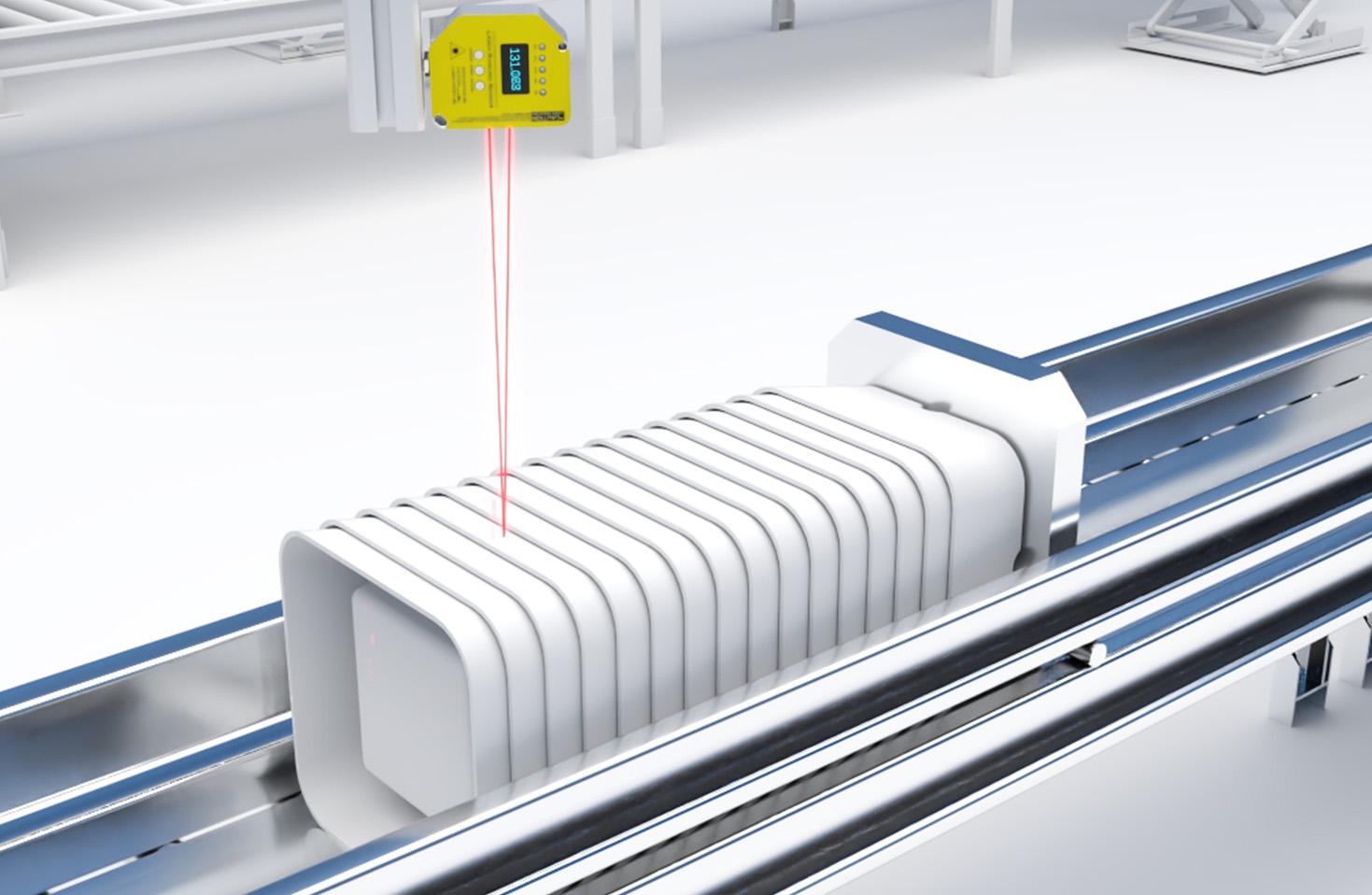
The advantages of employing laser sensors over traditional contact methods or other optical techniques are substantial. The non-contact nature eliminates any risk of damaging the delicate paper surface or affecting its properties, which is crucial for high-value grades. Laser sensors provide exceptionally fast response times, capable of taking thousands of measurements per second, which is necessary for high-speed production lines. They are largely immune to the color variations of the paper, as modern sensors can compensate for different reflectivities. Their robustness allows them to perform reliably in harsh industrial environments with vibration, dust, and varying ambient light conditions.
When integrating laser sensors, several factors must be considered. The choice between a red or blue laser wavelength can be important; blue lasers often perform better on translucent materials by reducing sub-surface scattering. The sensor's spot size must be appropriate for the feature being measured. Environmental enclosures or air purge units may be required in dusty mill environments to keep the lens clean. Finally, seamless integration with factory automation systems (e.g., PLCs, SCADA) via standard industrial communication protocols like Ethernet/IP or Profinet is essential for effective process control.
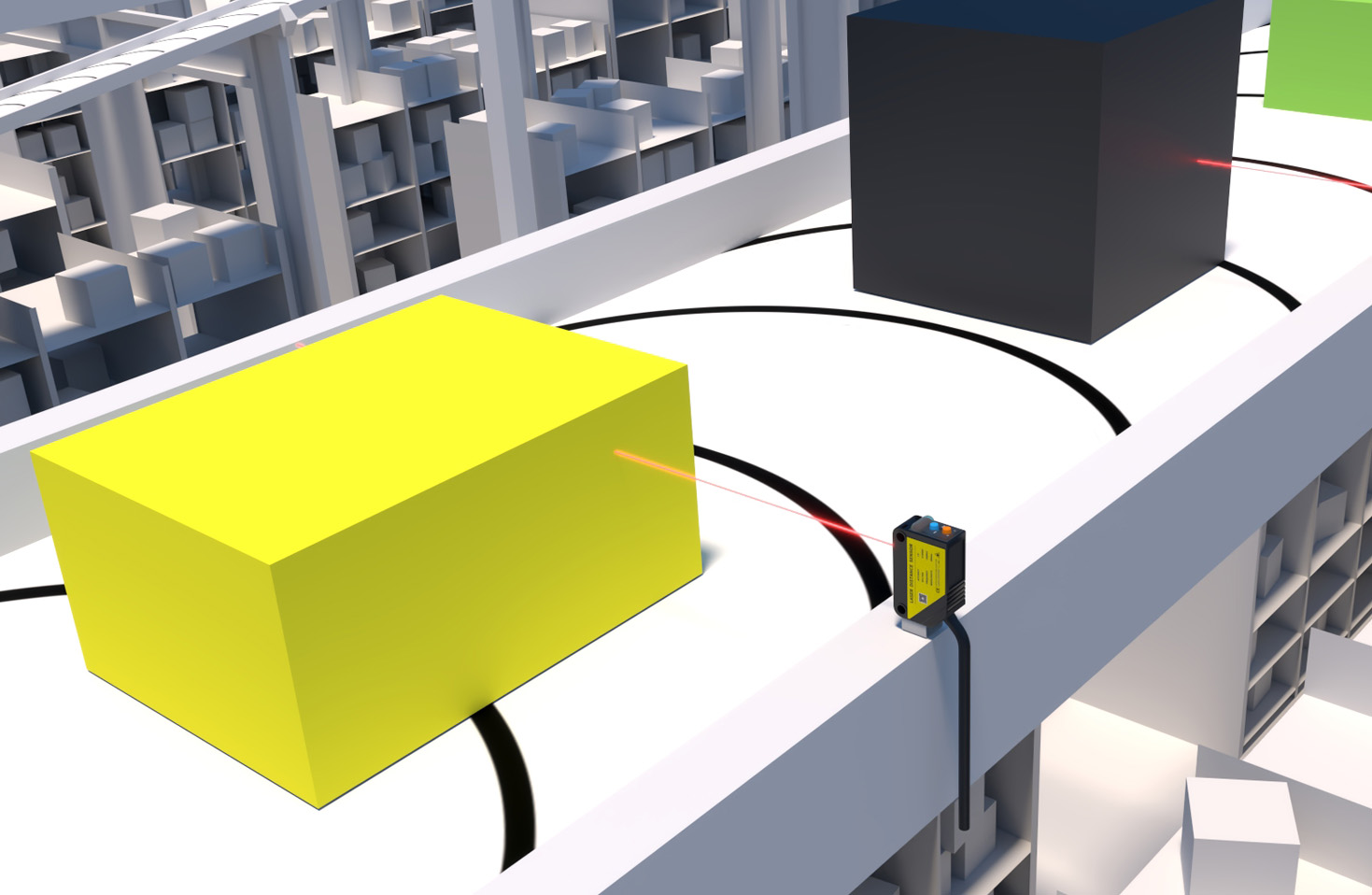
In conclusion, laser sensor technology has become an indispensable tool in the paper industry, driving advancements in quality assurance and process optimization. By providing precise, non-contact, and real-time measurement of critical parameters like thickness, profile, and surface quality, laser sensors empower manufacturers to produce higher-quality paper products with greater efficiency and reduced waste. As sensor technology continues to evolve with smarter features and enhanced connectivity, its role in enabling the data-driven, automated paper mill of the future will only become more pronounced.