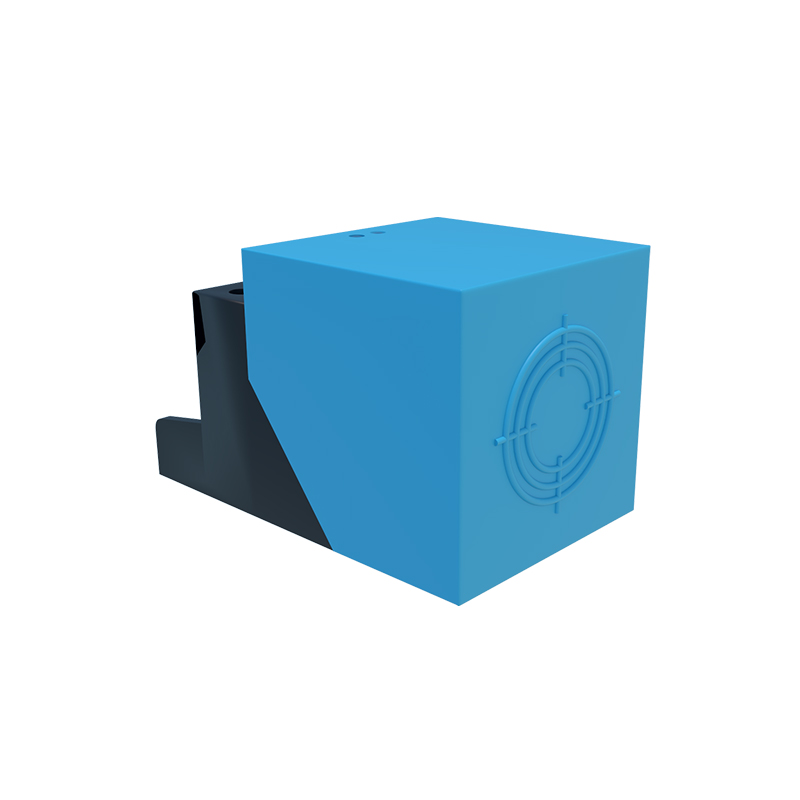
In the realm of industrial automation, safety light curtains and proximity sensors are indispensable components for safeguarding personnel and equipment. While off-the-shelf solutions are widely available, custom safety light curtain proximity sensors are increasingly sought after to meet specific operational demands and complex environmental conditions. This article delves into the critical aspects, benefits, and considerations of customizing these vital safety devices.
Custom safety light curtain proximity sensors are engineered to provide precise, reliable object detection and personnel protection in tailored applications. Unlike standard models, custom variants are designed with unique specifications such as specific sensing ranges, resolution (finger-safe, hand-safe, or body-safe), response times, and form factors. For instance, in high-speed robotic assembly lines, a custom light curtain may require ultra-fast response times and a compact design to fit within limited spaces without compromising safety integrity. Similarly, in harsh environments like foundries or chemical plants, sensors might need enhanced enclosures with IP67 or higher ratings, specialized materials resistant to extreme temperatures, corrosive substances, or heavy dust.
The customization process begins with a thorough risk assessment and application analysis. Engineers collaborate closely with clients to identify hazards, define safety performance levels (PLr according to ISO 13849-1 or SIL according to IEC 62061), and determine required safety distances. Key parameters include the height and width of the detection zone, the number of beams, beam spacing, and output configurations (e.g., OSSD outputs for direct connection to safety controllers). Advanced features like muting, blanking, or cascading can be integrated to allow temporary suspension of the safety function for material passage while maintaining overall protection.
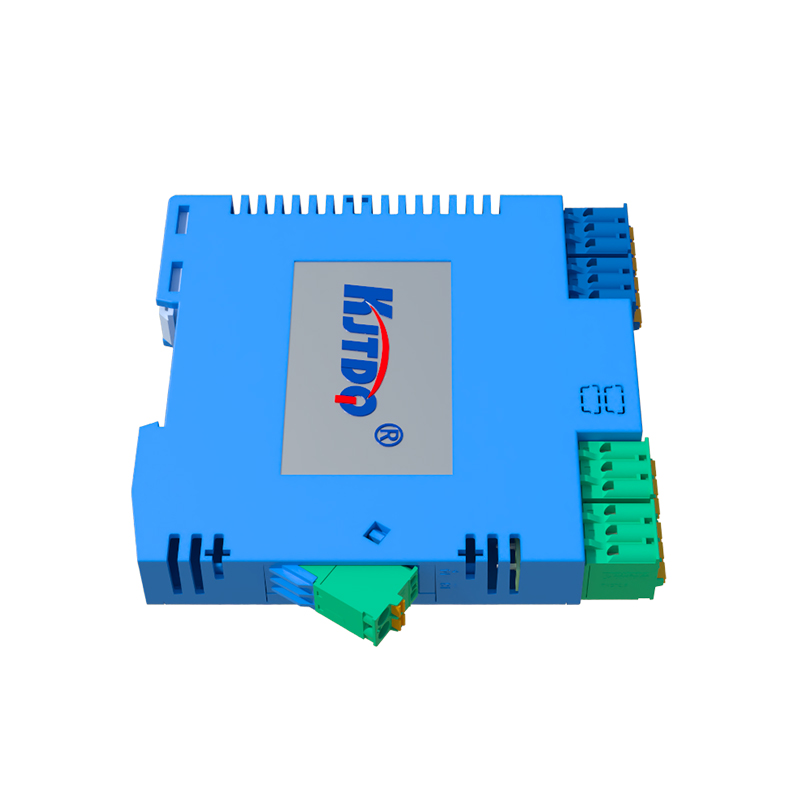
One significant advantage of custom safety light curtains is their ability to enhance productivity without sacrificing safety. By tailoring the sensor to the exact contours of machinery or workflow, unnecessary downtime is minimized. For example, a customized proximity sensor array can detect specific tool positions or workpiece presence, enabling seamless integration with programmable logic controllers (PLCs) and industrial networks like PROFINET or EtherCAT. This interoperability supports Industry 4.0 initiatives, facilitating real-time data exchange for predictive maintenance and operational analytics.
Material selection is another crucial factor in customization. Stainless steel housings may be chosen for washdown environments in food processing, while anodized aluminum could be preferred for lightweight applications. Optical components, such as infrared LEDs and phototransistors, might be calibrated for specific wavelengths to avoid interference from ambient light or other equipment. Additionally, custom firmware can be developed to implement application-specific logic, diagnostic functions, or compliance with regional safety standards like OSHA in the United States or CE marking in Europe.
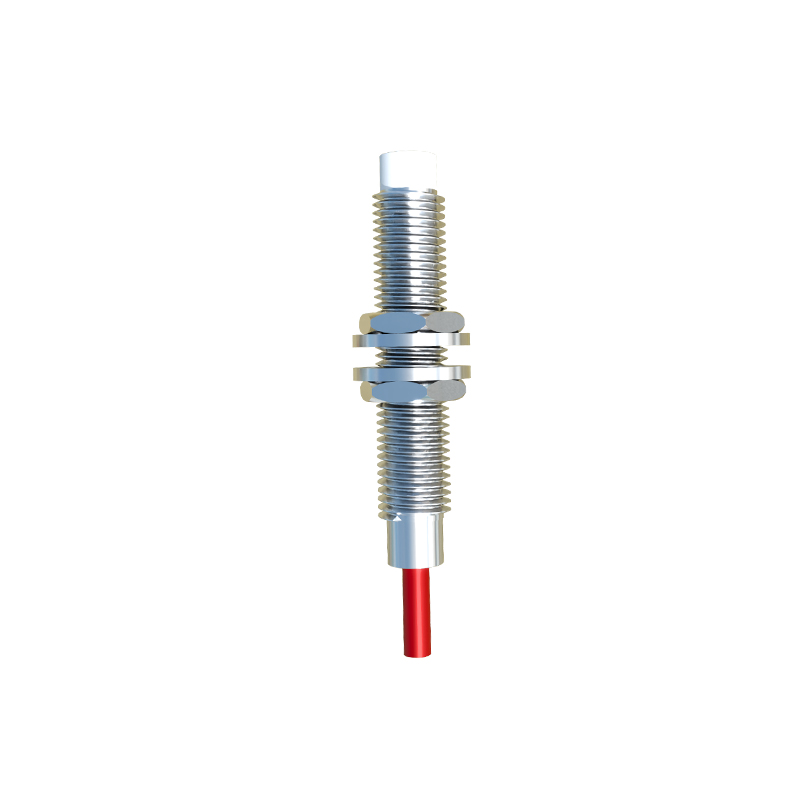
Despite the benefits, customizing safety light curtains requires careful consideration of cost and lead time. While initial investment may be higher than standard products, the long-term return on investment often justifies it through reduced accidents, lower insurance premiums, and optimized process efficiency. It is essential to partner with experienced manufacturers who possess expertise in safety engineering, regulatory compliance, and scalable production. Testing and validation, including type approval by notified bodies, ensure that custom sensors meet stringent international standards such as IEC 61496 for electro-sensitive protective equipment.
In conclusion, custom safety light curtain proximity sensors offer a tailored approach to industrial safety, addressing unique challenges that generic solutions cannot. By focusing on precise requirements—from environmental resilience to integration capabilities—these devices not only protect workers but also contribute to smoother, more efficient operations. As automation continues to evolve, the demand for specialized safety solutions will grow, making customization a key strategy for forward-thinking industries.