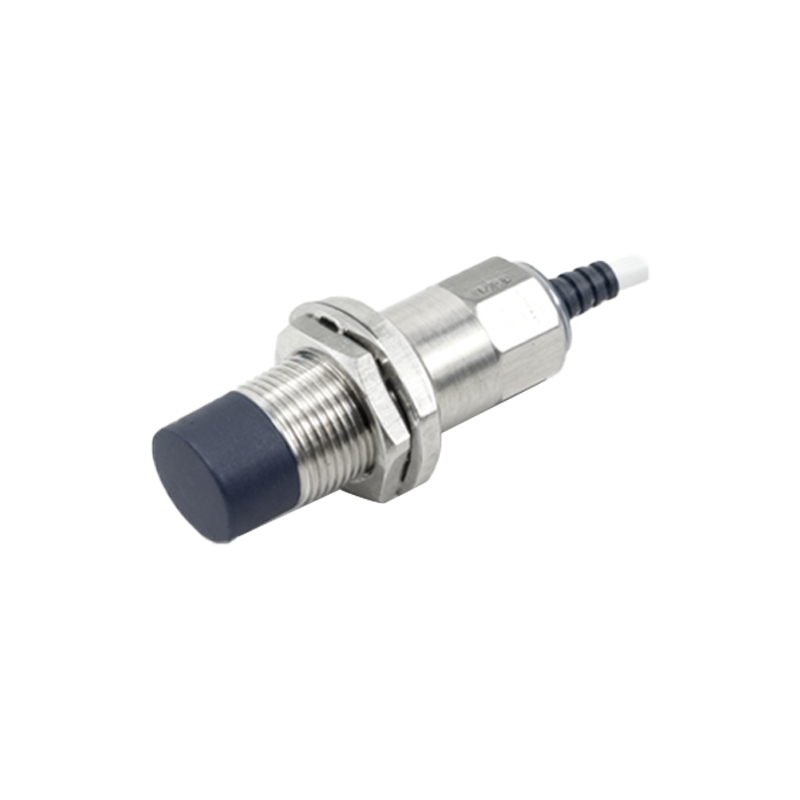
Capacitive proximity sensors are versatile and essential components in modern industrial automation and control systems. Unlike their inductive counterparts which detect only metallic objects, capacitive sensors can detect a wide range of materials, including liquids, plastics, glass, wood, and granular substances. This capability makes them indispensable for numerous applications across diverse industries, from food and beverage processing to pharmaceutical manufacturing and packaging.
The fundamental operating principle of a capacitive proximity sensor is based on the concept of capacitance. The sensor essentially forms one plate of a capacitor, with the target object acting as the other plate. The sensor's internal oscillator generates an electrostatic field emanating from its sensing face. When a target object enters this field, it causes a change in the capacitance of the system. The sensor's circuitry continuously monitors this capacitance. Once the change exceeds a pre-set threshold—the sensing point—the sensor triggers a solid-state output switch, signaling the presence of the object. This output is typically used to control relays, PLC inputs, or other logic devices.
Key components of a standard capacitive sensor include the sensing electrode (often the face of the sensor), an oscillator circuit, a signal evaluator, and an output switching stage. Many models feature a sensitivity adjustment potentiometer. This allows engineers to fine-tune the sensing distance or to compensate for different material properties and environmental conditions, such as the presence of background materials or varying container wall thicknesses. For instance, when detecting the level of a liquid inside a non-metallic tank, the sensitivity can be adjusted to "see through" the tank wall while ignoring it.
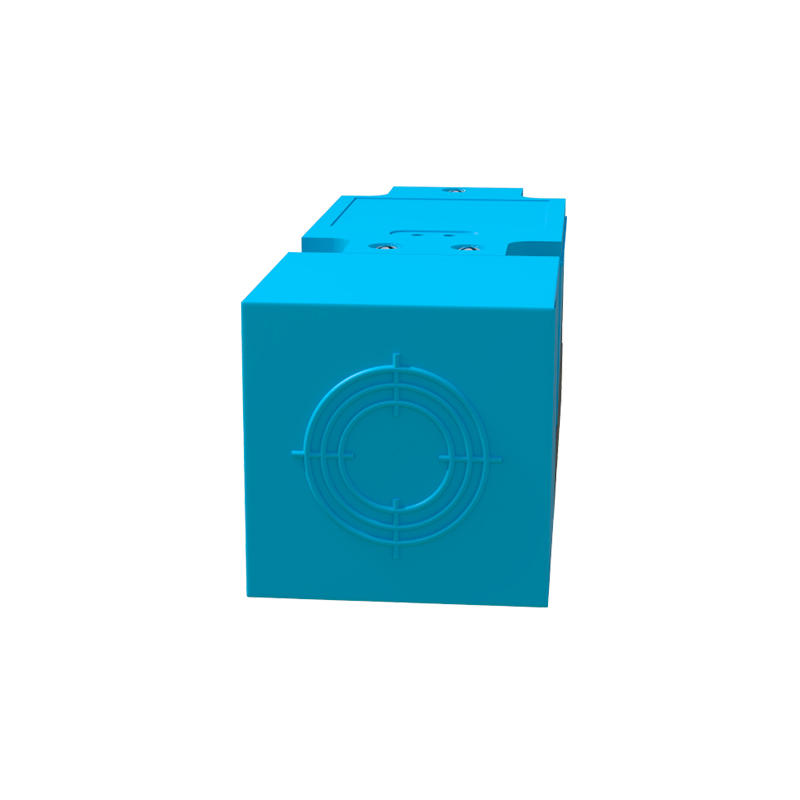
The applications for capacitive sensors are vast. A primary use is level detection for both solids and liquids. They can reliably detect the presence of powder in a silo, granules in a hopper, or liquid in a plastic bottle on a filling line. In packaging machinery, they verify the presence of product inside a cardboard box or a blister pack. They are also used for presence detection of non-metallic parts on assembly lines, such as checking for plastic caps or glass vials. Furthermore, capacitive sensors can detect the fill level of adhesive in a glue pot or control the thickness of materials like paper or fabric by measuring the distance to the material's surface.
Selecting the right capacitive sensor requires careful consideration of several parameters. The nominal sensing distance (Sn) is specified for a standard target (usually grounded steel). For non-metallic materials, the effective sensing distance is reduced and is influenced by the material's dielectric constant (εr). Materials with a higher εr, like water, are detected at a greater distance than those with a lower εr, like plastic. The housing material and style are critical; cylindrical, rectangular, or flat-pack designs are available in materials like nickel-plated brass, stainless steel, or PBT plastic to suit harsh environments, including washdown areas in food plants. Output types include NPN (sinking), PNP (sourcing), NO (normally open), or NC (normally closed) configurations to match the control system. Operating voltage ranges (e.g., 10-30V DC or 20-250V AC) and output current capacity must also be compatible.
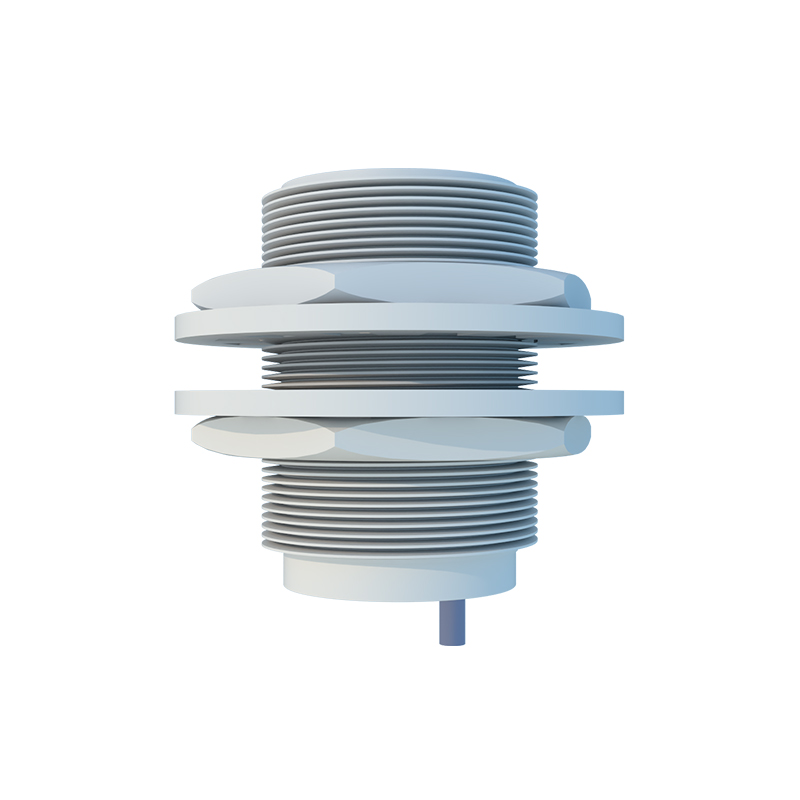
Installation and setup are straightforward but crucial for reliable operation. Sensors should be mounted securely to prevent vibration-induced false triggers. A non-flush or quasi-flush mountable sensor can detect objects from the side and requires a clearance zone around its sensing face as specified by the manufacturer. Flush-mounted sensors can be embedded in metal without affecting performance but typically have a shorter range. It is vital to avoid sensing through highly conductive materials, as they can shield the electrostatic field. Environmental factors like extreme humidity, dust, or chemical exposure should be mitigated by choosing sensors with appropriate IP (Ingress Protection) ratings, such as IP67 or IP69K.
In summary, capacitive proximity sensors offer a unique and flexible solution for detecting a broad spectrum of materials where other sensor types fail. Their adjustable sensitivity, robust construction, and reliable performance under challenging conditions make them a cornerstone of automated process control. By understanding their operating principle, key specifications, and application nuances, engineers and technicians can effectively integrate these sensors to enhance system reliability, efficiency, and safety across countless industrial operations.