In the rapidly evolving landscape of industrial automation and precision measurement, laser sensors have become indispensable components. For procurement specialists, project engineers, and business owners, navigating the wholesale market for these devices requires a clear understanding of the factors that drive their pricing. This article delves into the key elements influencing laser sensor wholesale costs, providing a professional perspective to inform purchasing decisions.
The wholesale price of a laser sensor is not a single figure but a composite determined by technical specifications, order volume, supplier relationships, and market dynamics. At its core, the sensor's performance parameters are the primary cost drivers. Key specifications include measurement range, accuracy (often in micrometers or nanometers), resolution, response time, and the type of laser used (e.g., red laser, blue laser, or Class 1, 2 safe lasers). A high-accuracy, long-range sensor with sub-micron resolution and a fast response time will command a significantly higher price per unit than a basic model for simpler proximity detection. The complexity of the embedded electronics and software algorithms for data processing also adds to the manufacturing cost.
Another critical factor is the sensing principle and technology. Common types include time-of-flight (ToF) sensors, triangulation sensors, confocal displacement sensors, and laser line profilers. Each serves distinct applications—from distance measurement and thickness gauging to 3D contour scanning. Triangulation sensors, for instance, offer high precision at short ranges and are priced accordingly. In contrast, robust ToF sensors for long-distance outdoor use involve different optics and components, affecting their wholesale bracket. The choice between a standard diffuse reflection model and a more specialized through-beam or retro-reflective model further impacts the cost structure.
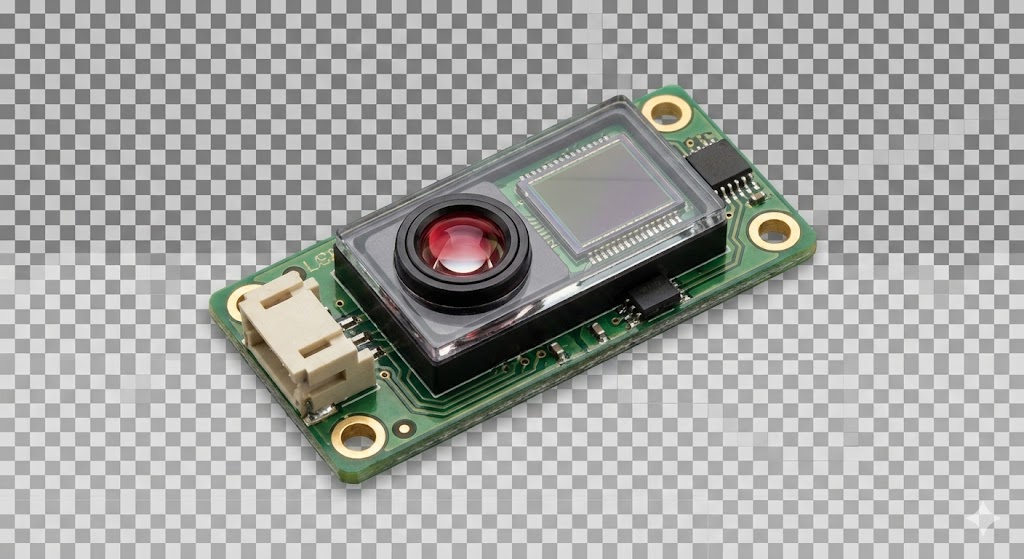
Order volume remains the most direct lever on wholesale pricing. Suppliers typically offer tiered pricing models where the unit price decreases as the quantity increases. This economy of scale is due to reduced per-unit manufacturing, testing, and logistical overhead. For large-scale OEM projects or distributors stocking inventory, negotiating based on projected annual volumes can lead to substantial discounts. However, it's crucial to balance volume commitments with project certainty and inventory carrying costs.
The choice of supplier and brand equity plays a substantial role. Established global manufacturers with a reputation for reliability, extensive R&D, and comprehensive after-sales support (like Keyence, Omron, or Sick) often price their products at a premium. Their wholesale prices reflect not only the hardware but also the value of brand assurance, certification (CE, RoHS, IP ratings), and long-term product stability. Conversely, emerging manufacturers or specialized suppliers may offer more competitive wholesale rates to penetrate the market, though this may come with trade-offs in documented performance history or support network breadth. Sourcing directly from the manufacturer versus through a regional distributor also affects the final landed cost, as distributors add a margin for their services.
Market dynamics and component availability exert external pressure on pricing. Fluctuations in the global supply chain for critical raw materials (e.g., specialized lenses, laser diodes, semiconductors) can cause price volatility. During periods of high demand in adjacent industries like consumer electronics or automotive manufacturing, sensor prices may firm up. Additionally, compliance with evolving regional safety and environmental regulations can necessitate design changes, influencing cost.
For professionals seeking optimal value, the strategy extends beyond merely comparing price lists. It involves a total cost of ownership (TCO) analysis. This includes evaluating the sensor's durability, mean time between failures (MTBF), calibration requirements, and compatibility with existing systems. A slightly higher wholesale price for a more robust and accurate sensor can prevent costly production downtime, rework, or integration issues later. Requesting samples for application testing, reviewing detailed datasheets, and clarifying warranty and lead time terms are essential steps before finalizing a wholesale agreement.
In conclusion, laser sensor wholesale pricing is a multifaceted equation. By thoroughly assessing technical needs, quantifying order volumes, carefully selecting suppliers, and considering long-term operational reliability, industry buyers can make informed, cost-effective procurement decisions that support both project success and bottom-line efficiency.