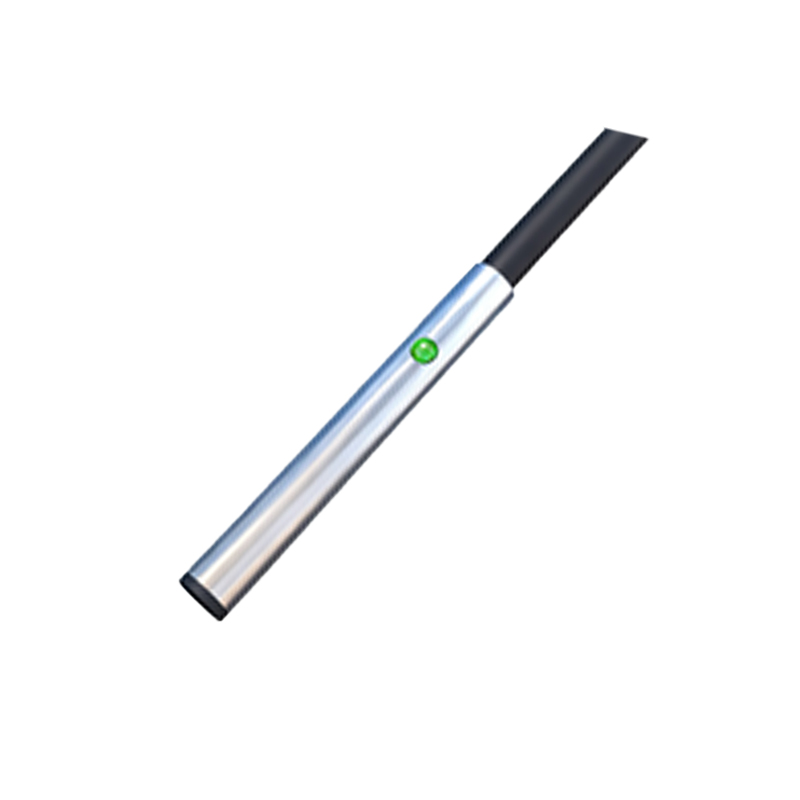
Magnetic proximity switch sensor chips represent a cornerstone of modern industrial automation, offering non-contact detection of ferromagnetic objects. These semiconductor devices integrate Hall-effect or magnetoresistive sensing elements, signal conditioning circuits, and output drivers into a single package. Their operation relies on detecting changes in magnetic field strength caused by the approach of a target, typically a permanent magnet or ferrous metal. When the magnetic flux density exceeds a predefined threshold, the chip's output state toggles, providing a clean digital signal to control systems.
The core sensing technologies fall into two primary categories: Hall-effect and anisotropic magnetoresistive (AMR). Hall-effect chips generate a voltage proportional to the perpendicular magnetic field component, making them ideal for detecting the presence or absence of a magnet. AMR chips, in contrast, change resistance based on the angle of the applied magnetic field, offering higher sensitivity for precise position sensing. Advanced versions incorporate integrated flux concentrators to amplify weak magnetic signals, enabling detection ranges up to several centimeters.
Key performance parameters include operating voltage range, typically from 3.3V to 30V DC, switching hysteresis to prevent output oscillation, and temperature stability across industrial environments ranging from -40°C to 150°C. Output configurations vary, including NPN/PNP transistors, push-pull stages, and open-drain designs, allowing direct interfacing with PLCs, microcontrollers, or relays. Many chips feature built-in protection against reverse polarity, overvoltage, and electromagnetic interference, ensuring reliability in harsh conditions like automotive assembly lines or heavy machinery.
Design considerations for implementation involve selecting the appropriate magnetic bias type: unipolar chips respond to a single magnetic pole, bipolar types react to both north and south poles, and omnipolar versions activate with either pole. The orientation of the chip relative to the target magnet critically affects sensitivity; axial, lateral, and vertical sensing directions are specified in datasheets. Engineers must also account for magnetic field decay with distance, often using manufacturer-provided Gauss versus distance curves for accurate placement.
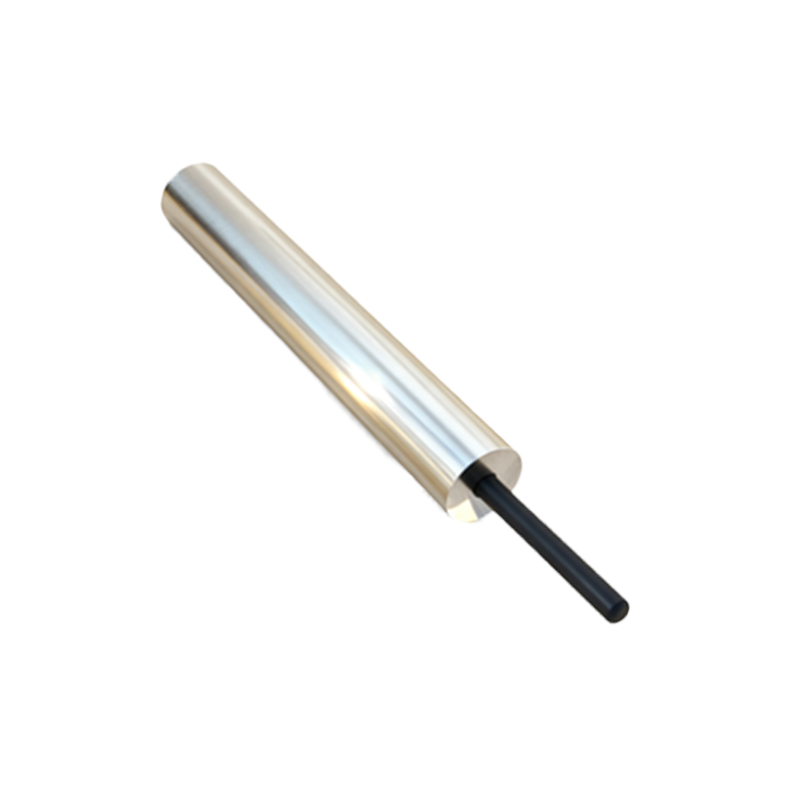
Applications span diverse sectors. In factory automation, these chips serve as limit switches in linear actuators, rotary encoders, and conveyor belt position monitoring. The automotive industry utilizes them for gearbox speed sensing, brake pedal position detection, and door latch status. Consumer electronics employ miniaturized versions in laptop lid closure sensors and smart home devices. A significant advantage over mechanical switches is the elimination of contact bounce and wear, leading to virtually infinite operational life and maintenance-free operation.
Recent advancements focus on smart sensor capabilities. Some chips now include I2C or SPI digital interfaces, providing not only switch status but also real-time magnetic field strength data for predictive maintenance. Others incorporate programmable thresholds and output latches via external EEPROM. The trend toward Industry 4.0 drives development of chips with embedded diagnostics, such as fault detection for wire breaks or output short-circuits, communicating directly with industrial IoT networks.
When integrating these sensors, engineers should perform rigorous environmental testing. Factors like external stray magnetic fields from motors or transformers can cause false triggering, often mitigated by shielding or differential sensing architectures. Vibration resistance is crucial, as mechanical stress can affect the semiconductor crystal lattice. For food processing or pharmaceutical applications, chips with conformal coating or stainless-steel housing meet hygiene and washdown requirements.
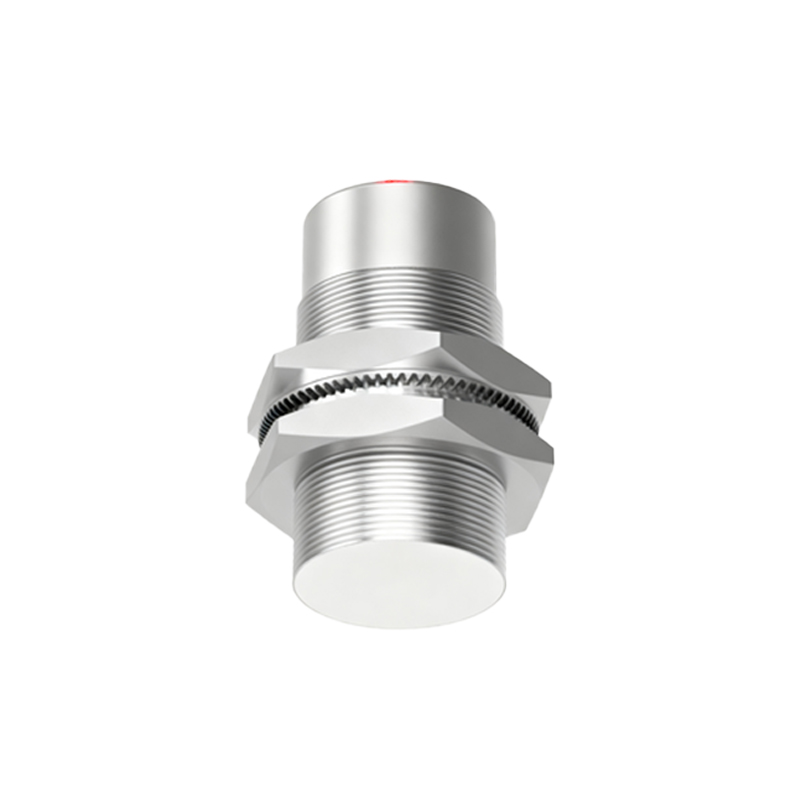
In conclusion, magnetic proximity sensor chips provide a robust, precise solution for position and presence detection. Their evolution continues toward higher integration, smarter interfaces, and enhanced ruggedness, solidifying their role as essential components in the interconnected industrial landscape. Proper selection based on magnetic, electrical, and mechanical parameters ensures optimal performance in any application scenario.