Laser ride height sensors represent a significant advancement in automotive suspension and chassis control systems. These precision devices utilize laser technology to measure the distance between the vehicle's chassis and the road surface with exceptional accuracy. Operating on the principle of time-of-flight or triangulation, the sensor emits a focused laser beam towards the ground. The reflected light is captured by a receiver, and the system calculates the exact distance based on the time delay or angle of reflection. This real-time data is critical for modern adaptive suspension systems, which adjust damping characteristics and ride height dynamically to optimize handling, stability, and comfort.
In high-performance and luxury vehicles, laser ride height sensors are integral to air suspension and active damping systems. By continuously monitoring the vehicle's attitude and clearance, the sensor provides input to the electronic control unit (ECU). The ECU can then command actuators to inflate or deflate air springs, or adjust shock absorber valves, within milliseconds. This ensures optimal tire contact with the road, improving traction during cornering, acceleration, and braking. Furthermore, it maintains a consistent ride height regardless of passenger or cargo load, enhancing aerodynamic efficiency and headlight alignment.
The engineering behind these sensors demands robustness and reliability. They are typically housed in sealed, rugged enclosures to withstand harsh environmental conditions, including temperature extremes, moisture, vibration, and road debris. The laser diode and optical components are precisely calibrated to deliver consistent performance over the vehicle's lifespan. Diagnostic capabilities are also embedded, allowing the system to detect faults such as sensor misalignment, blockage, or signal degradation, often triggering a dashboard warning for the driver.
Compared to traditional potentiometer-based or ultrasonic height sensors, laser variants offer superior resolution, faster response times, and reduced susceptibility to electromagnetic interference. Their non-contact measurement principle also eliminates mechanical wear, contributing to long-term durability. However, they require careful installation and calibration during vehicle assembly or servicing, as even minor deviations can affect readings.
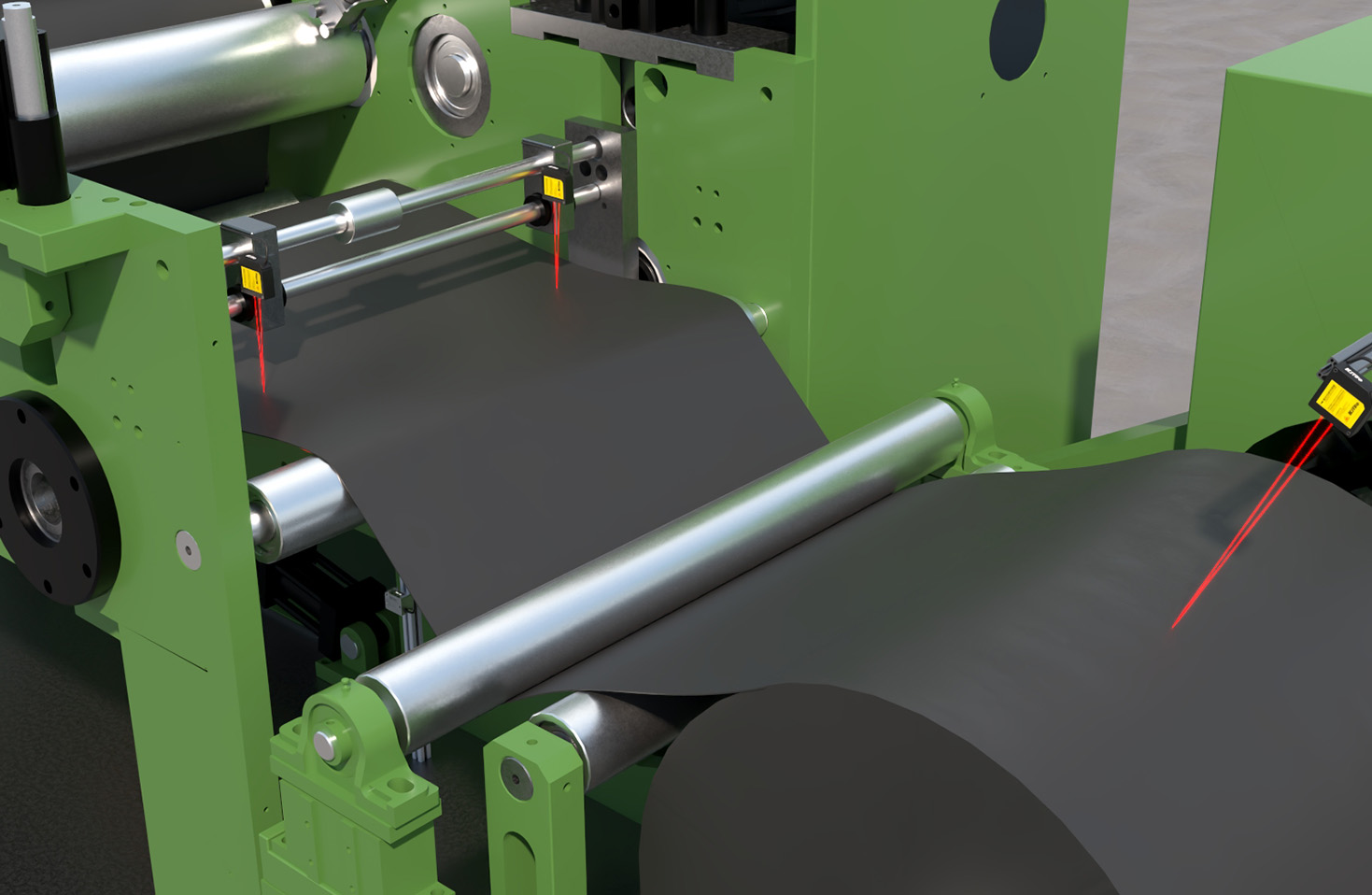
Looking forward, the role of laser ride height sensors is expanding with the advent of autonomous driving and advanced driver-assistance systems (ADAS). Stable and predictable vehicle dynamics are paramount for these technologies, and precise ride height data contributes to algorithms controlling stability control, collision avoidance, and even predictive suspension that reacts to upcoming road contours. As vehicle architectures evolve towards greater electrification and integration, these sensors will become more compact, cost-effective, and intelligent, possibly integrating with other perception sensors like LiDAR for holistic vehicle state awareness.
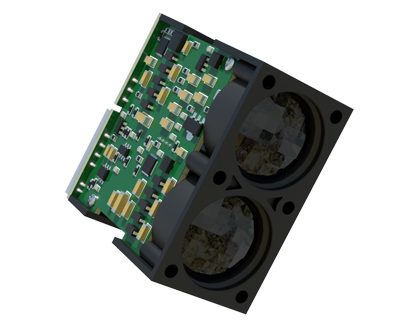
For automotive engineers and technicians, understanding the operation, integration, and diagnostics of laser ride height sensors is essential. Proper maintenance involves ensuring the sensor's lens remains clean and unobstructed, and that mounting points are secure. When troubleshooting suspension faults, scanning for related diagnostic trouble codes (DTCs) and verifying sensor output with a scan tool are standard procedures. As these systems grow more complex, ongoing training and access to updated service information remain crucial for effective repair and calibration, ensuring vehicle safety and performance align with manufacturer specifications.