In the realm of industrial automation and control systems, the terms "proximity switch" and "sensor" are often used interchangeably, and for good reason. A proximity switch is, fundamentally, a specialized type of sensor. Its primary function is to detect the presence or absence of an object within a specified range without any physical contact. This non-contact detection capability is the cornerstone of its reliability, longevity, and widespread application across countless industries, from automotive manufacturing and packaging to material handling and robotics.
At its core, a proximity switch operates by emitting an electromagnetic field, a beam of light, or ultrasonic waves. When a target object enters this field, it causes a change in the signal. The switch's internal circuitry detects this change and triggers an output signal, typically a solid-state or relay output, to control a circuit. This seamless conversion of a physical event (presence/absence) into an electrical signal is the very definition of a sensor's role. The key distinction of a proximity switch lies in its integrated design; it combines the sensing element and the switching mechanism into a single, robust housing, making it a self-contained, ready-to-use sensing and control device.
Several technologies dominate the proximity switch landscape, each suited to specific applications. Inductive proximity switches are the workhorses for detecting metallic objects. They generate an oscillating electromagnetic field. When a metal target enters this field, it induces eddy currents, which dampen the oscillation. The sensor detects this damping and switches its output. These sensors are exceptionally reliable, resistant to environmental contaminants like dust, oil, and coolant, and are ideal for harsh industrial environments. Common applications include detecting pistons in cylinders, counting metal parts on a conveyor, or verifying the position of a machine tool.
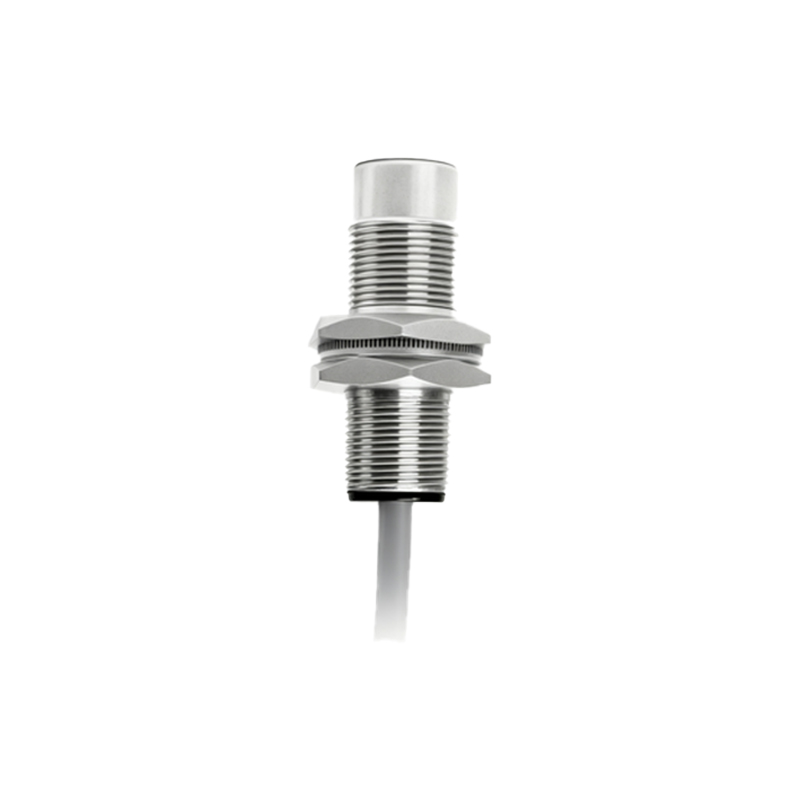
Capacitive proximity switches, on the other hand, can detect both metallic and non-metallic materials, including liquids, plastics, wood, and glass. They function by generating an electrostatic field. Any object with a dielectric constant different from air will alter the capacitance of this field, triggering the switch. This makes them perfect for level detection in tanks (e.g., detecting liquid or powder levels through a non-metallic container), detecting filled vs. empty bottles on a line, or sensing the presence of a wooden pallet.
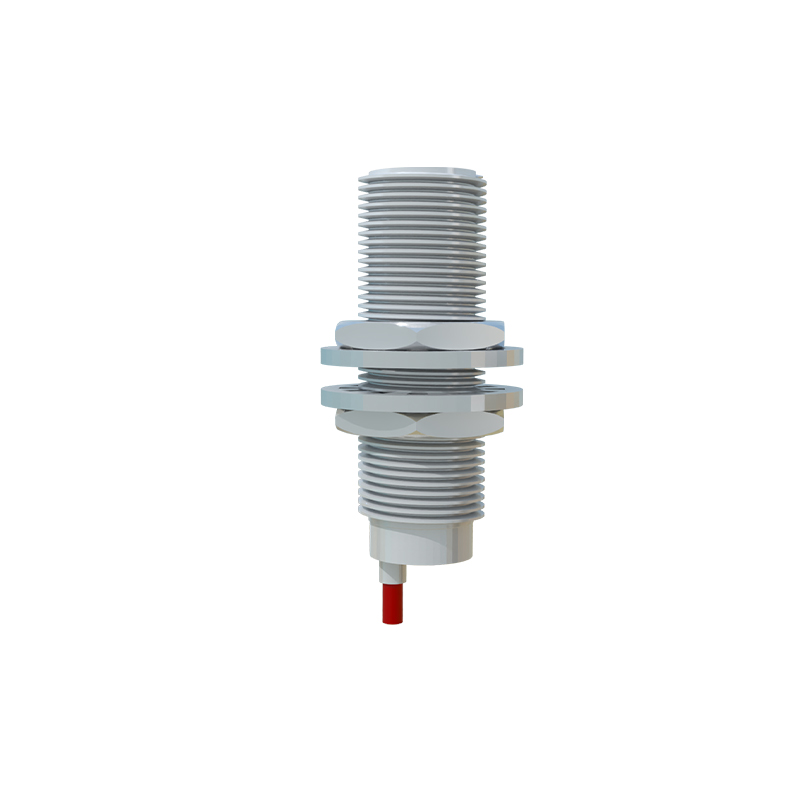
For applications requiring longer sensing ranges or detection of any object regardless of material, photoelectric proximity switches are the preferred choice. They operate by emitting a beam of light (visible red, infrared, or laser) and detecting its reflection or interruption. Through-beam sensors, with separate emitter and receiver units, offer the longest range and highest reliability. Retro-reflective sensors bounce light off a reflector, while diffuse sensors rely on light reflecting directly off the target object itself. These are ubiquitous in packaging, object counting, and web break detection.
Ultrasonic proximity switches use sound waves beyond the human hearing range. They measure the time it takes for an emitted sound pulse to reflect off a target and return. This time-of-flight principle allows them to detect objects of virtually any material and is excellent for distance measurement, level sensing of bulk materials, and detecting transparent or irregularly shaped objects where photoelectric sensors might struggle.
The advantages of using proximity switches as sensors are manifold. Their non-contact nature eliminates mechanical wear and tear, ensuring a virtually infinite operational life for the sensing element. They provide high-speed response, capable of detecting objects at thousands of cycles per minute, which is crucial for modern high-speed automation. Their solid-state construction makes them highly resistant to vibration, shock, and environmental contaminants. Furthermore, their output is a clean, electrical signal that integrates seamlessly with Programmable Logic Controllers (PLCs), motor drives, and other control systems, forming the sensory nervous system of an automated process.
In conclusion, to view a proximity switch merely as a switch is to underestimate its sophistication. It is a quintessential sensor—a device that continuously monitors its environment and provides a precise, reliable electrical signal based on a physical condition. The selection of the appropriate technology—inductive, capacitive, photoelectric, or ultrasonic—is a critical engineering decision based on the target material, required sensing distance, environmental conditions, and the specific needs of the application. As automation evolves towards greater intelligence and flexibility, the role of these versatile and rugged sensors, the proximity switches, remains absolutely fundamental.