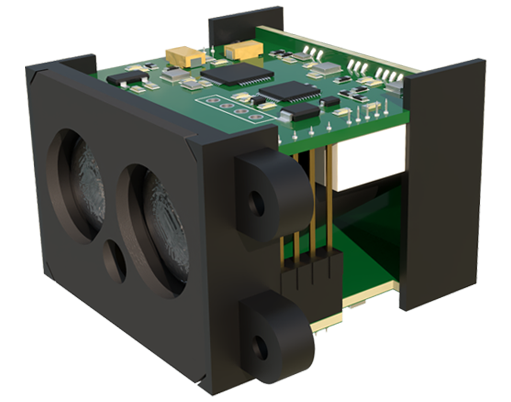
Laser sensors represent a cornerstone technology in modern industrial automation, offering unparalleled precision, speed, and reliability for a vast array of measurement and detection tasks. Unlike traditional photoelectric or proximity sensors, laser sensors utilize a focused, coherent beam of light, enabling highly accurate measurements over long distances and in challenging environmental conditions. This article delves into the fundamental operating principles, key application areas, and critical factors to consider when selecting a laser sensor for industrial use.
At its core, a laser sensor operates by emitting a concentrated beam of light, typically from a laser diode, towards a target object. The sensor then analyzes the interaction of this beam with the target. The most common measurement principles are based on triangulation, time-of-flight (ToF), and laser confocal displacement. Triangulation sensors project a laser spot onto the target; a receiver lens at a known angle captures the reflected light's position. Any change in the target's distance causes a shift in the spot's position on the receiver's sensor (like a CMOS or PSD), which is precisely calculated to determine distance or displacement. This method excels in high-resolution, short to medium-range applications, such as thickness gauging, profile scanning, and precision assembly verification.
Time-of-flight sensors, on the other hand, measure the time it takes for a laser pulse to travel to the target and back. By knowing the speed of light, the sensor calculates the distance. This principle is ideal for long-range measurements, from a few meters up to several hundred meters, and is widely used in applications like bulk level monitoring, vehicle detection, and large-scale dimensioning. Laser confocal displacement sensors use a unique optical system to focus polychromatic light onto a target. Only light of a specific wavelength, corresponding to the exact distance to the target, is focused and detected by a spectrometer, providing exceptional accuracy for measuring transparent or multi-layered objects.
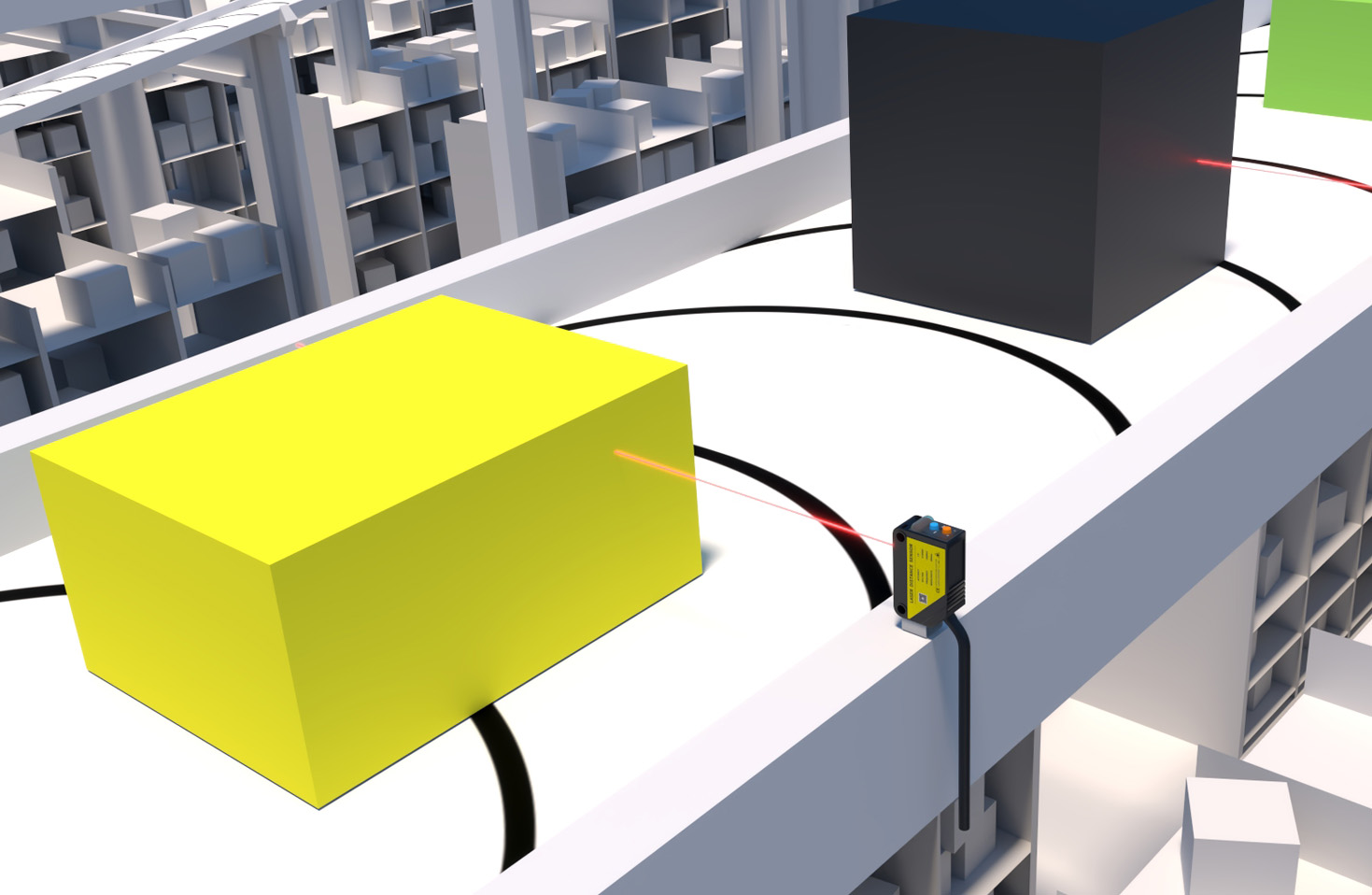
The applications of laser sensors in industry are extensive and transformative. In manufacturing, they are indispensable for precise positioning of robotic arms, ensuring components are placed with micron-level accuracy. In quality control, laser profile scanners perform 100% inline inspection of part dimensions, contours, and surface defects, far surpassing the capabilities of manual sampling. They monitor fill levels in bottles and containers on high-speed packaging lines, detect minute cracks or imperfections on semiconductor wafers, and control the gap and flushness in automotive body assembly. Logistics and warehousing leverage laser distance sensors for pallet dimensioning, automated guided vehicle (AGV) navigation, and inventory profiling. Furthermore, their ability to perform non-contact measurements makes them perfect for inspecting delicate, hot, or moving objects that would be damaged or impossible to touch.
Selecting the right laser sensor requires a careful analysis of the application's specific demands. Key parameters include measurement range, resolution, repeatability, and linearity. The required measurement speed, often expressed as a sampling rate, must match the process dynamics. The target's characteristics—its color, material, surface finish (shiny, matte, transparent)—significantly influence the sensor's performance and may necessitate models with special filters or algorithms for diffuse reflection. Environmental factors are paramount; industrial settings often contain dust, moisture, vibration, and ambient light interference. Sensors with high IP ratings (for ingress protection), robust housings, and specialized optics for suppressing background light are essential for reliable operation. Finally, the output interface (analog voltage/current, digital protocols like IO-Link, Ethernet/IP, PROFINET) must integrate seamlessly with the existing control system, such as a PLC or PC.
In conclusion, laser sensors are powerful tools that drive efficiency, quality, and intelligence in industrial automation. Their evolution continues with advancements in miniaturization, integrated intelligence, and multi-functional capabilities. By understanding the underlying technology and meticulously matching sensor specifications to the application's needs, engineers can unlock significant operational benefits, from reduced waste and downtime to enhanced product quality and traceability. As Industry 4.0 and smart factory concepts mature, the role of precise, data-rich laser sensing will only become more central to connected, agile manufacturing ecosystems.