In the realm of industrial automation, precision measurement is paramount. ASF laser sensors stand as a cornerstone technology, offering unparalleled accuracy, reliability, and versatility for a wide array of applications. These sensors operate on the principle of laser triangulation, emitting a focused beam of light onto a target surface. The reflected light is then captured by a high-resolution receiver, and through sophisticated onboard processing, the exact distance or displacement is calculated with micron-level precision. This non-contact measurement method is ideal for delicate, hot, fast-moving, or otherwise inaccessible objects, eliminating the risk of damage or wear associated with mechanical probes.
The core advantages of ASF laser sensors are multifaceted. First and foremost is their exceptional accuracy and repeatability, which are critical for quality control in manufacturing processes such as semiconductor fabrication, automotive assembly, and precision machining. They can detect minute variations in height, thickness, warp, and presence that are invisible to the human eye or conventional sensors. Secondly, their high-speed response capability allows for real-time monitoring and feedback in dynamic production lines, enabling immediate corrective actions and reducing waste. Models are available with sampling rates reaching into the kilohertz range, capturing even the most rapid changes.
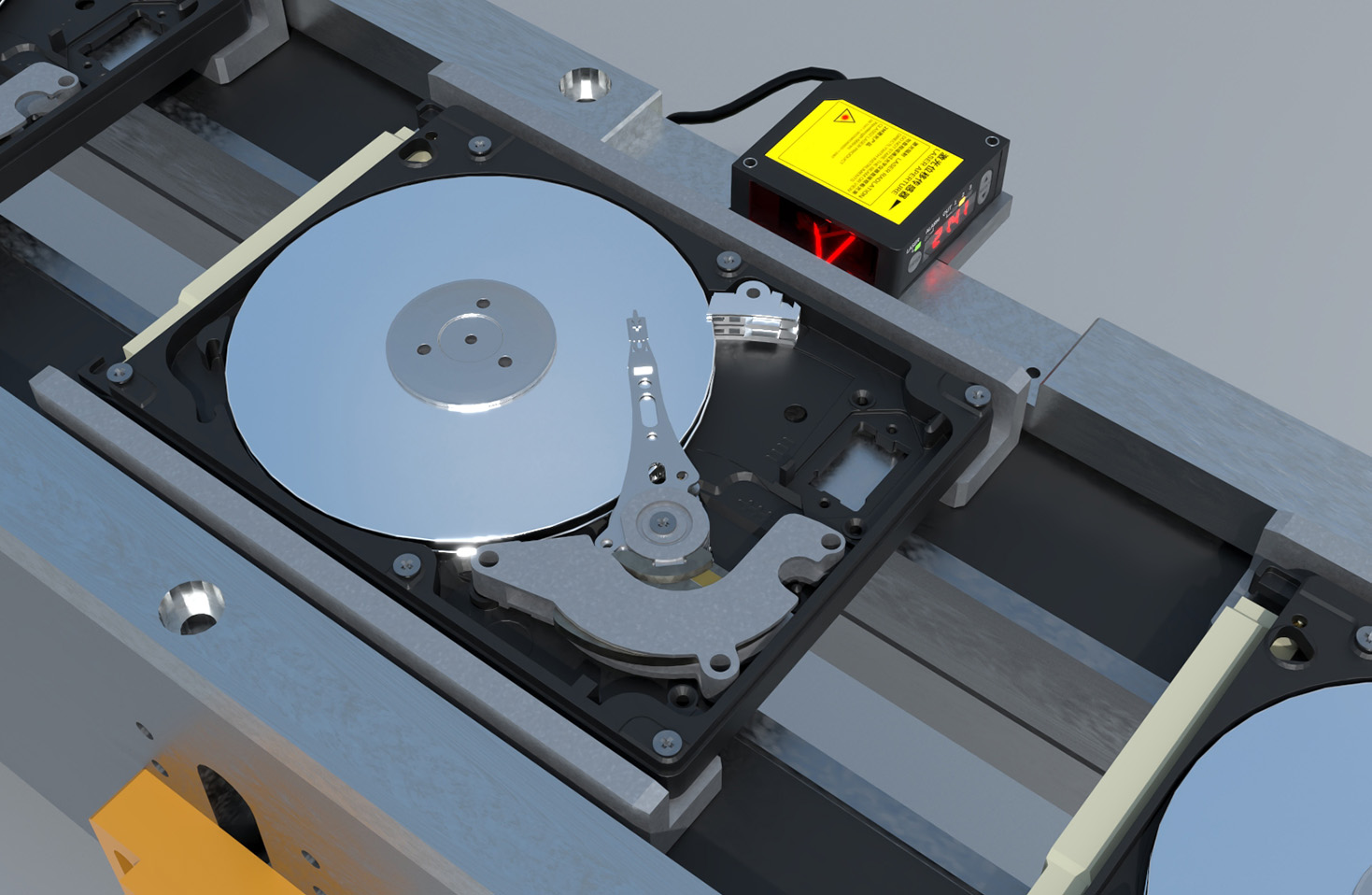
Furthermore, ASF sensors are renowned for their robust construction and environmental resilience. Many are housed in rugged, IP67-rated enclosures, making them resistant to dust, water, oil, and mechanical shock—essential for harsh factory environments. Their performance remains stable across a broad temperature range and is largely unaffected by ambient light interference, thanks to advanced optical filters and signal processing algorithms. This reliability translates to reduced downtime and maintenance costs.

Application scenarios are diverse. In electronics manufacturing, they precisely measure component coplanarity, solder paste height, and PCB warpage. In the automotive sector, they ensure gap and flushness between body panels, inspect tire tread depth, and control robot positioning. In logistics, they facilitate precise object detection and dimensioning for sorting and packaging systems. Additionally, specialized models with blue laser technology excel at measuring challenging surfaces like shiny metals or dark, absorbent materials, where traditional red lasers may scatter or fail.
Integration into modern industrial systems is seamless. ASF laser sensors typically offer a variety of output options, including analog voltage/current, digital switching via PNP/NPN, and high-speed serial communication protocols like IO-Link and Ethernet/IP. IO-Link, in particular, enables smart sensor functionality, allowing for remote parameter configuration, real-time diagnostics, and predictive maintenance data exchange, aligning perfectly with Industry 4.0 and IoT initiatives.
When selecting an ASF laser sensor, key parameters to consider include measuring range, spot size, resolution, linearity, and response time. The choice of a diffuse reflection type versus a through-beam type depends on the specific measurement task and target characteristics. Proper installation, alignment, and periodic calibration are also crucial to maintain optimal performance over the sensor's lifespan.
In conclusion, ASF laser sensors are indispensable tools for modern industry, driving efficiency, quality, and intelligence in automated processes. Their ability to deliver precise, non-contact measurements under demanding conditions makes them a superior choice for engineers and system integrators seeking to enhance operational capabilities and ensure product excellence in a competitive global market.