In the realm of industrial automation and control systems, proximity sensors play a pivotal role in enabling non-contact detection of objects. Among the diverse range of sensors available, the NBB10 series stands out as a robust and reliable inductive proximity sensor designed for demanding applications. This article delves into the technical specifications, operational principles, common use cases, and key considerations for integrating the NBB10 into various systems.
The NBB10 is typically an inductive proximity sensor, engineered to detect metallic objects without physical contact. It operates on the principle of electromagnetic induction. The sensor generates an oscillating electromagnetic field from its active face. When a metallic target enters this field, eddy currents are induced within the target, causing a change in the oscillation amplitude or frequency within the sensor's coil. This change is detected by the internal circuitry, which subsequently triggers a switching signal—either normally open (NO) or normally closed (NC)—to indicate the presence of the object. A key feature of the NBB10 is its nominal sensing distance, often standardized at 10mm, providing a consistent and reliable detection range for its size class.
Constructed for industrial environments, the NBB10 sensor boasts a durable housing, commonly made from nickel-plated brass or stainless steel, offering excellent resistance to mechanical impacts, vibrations, and harsh conditions. Many models in this series feature ingress protection ratings such as IP67, making them resistant to dust and temporary immersion in water, which is crucial for washdown areas in food processing or outdoor applications. The electrical output is typically a 3-wire DC configuration (PNP or NPN), providing compatibility with standard programmable logic controllers (PLCs) and control systems. Operating voltage ranges are usually between 10-30V DC, ensuring flexibility in various power supply setups.
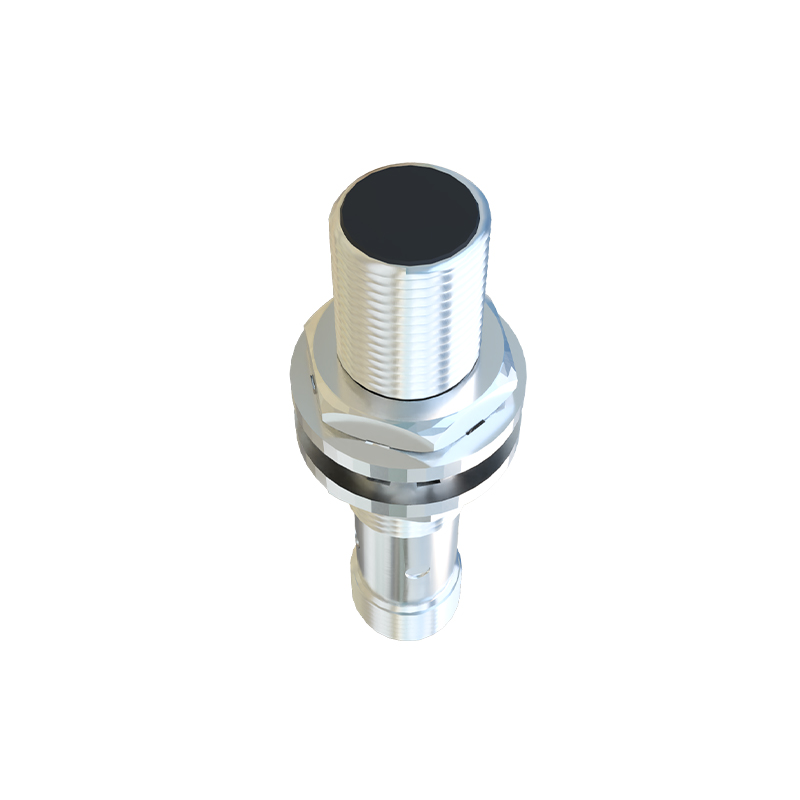
The applications for the NBB10 proximity sensor are extensive across multiple industries. In manufacturing assembly lines, it is frequently used for part presence verification, counting, and end-position detection on cylinders or linear actuators. Within packaging machinery, it ensures correct positioning of products or materials. The automotive industry utilizes these sensors for robotic arm positioning and tool detection. Furthermore, its robust design makes it suitable for material handling systems, where it monitors the position of metal pallets or trolleys. A significant advantage is its ability to function reliably in environments with contaminants like oil, coolant, or dust, where optical sensors might fail.
When selecting an NBB10 sensor for a specific application, several factors must be evaluated. First, confirm the target material; inductive sensors like the NBB10 are optimized for ferrous metals (like steel and iron), and the sensing distance may reduce for non-ferrous metals (like aluminum or copper). The required sensing distance should be less than the nominal 10mm to account for installation tolerances and environmental factors. The switching frequency, or response time, is critical for high-speed applications to ensure the sensor can keep pace with rapidly moving targets. Environmental conditions such as temperature extremes, exposure to chemicals, or strong electromagnetic interference should be matched with the sensor's specifications. Finally, the electrical output type (PNP or NPN) must be compatible with the control system's input module to ensure proper signal interpretation.
Installation and wiring are straightforward but require attention to detail. The sensor should be mounted securely to minimize vibration effects. It is essential to maintain the recommended lateral and axial clearance from surrounding metal structures to prevent false triggering due to the sensor's magnetic field interacting with the mounting bracket or machine frame. Proper shielding and routing of cables help mitigate electrical noise interference. Regular maintenance, though minimal, involves checking the sensor face for accumulated debris or metal chips that could impair performance and verifying the integrity of the cable and connections.
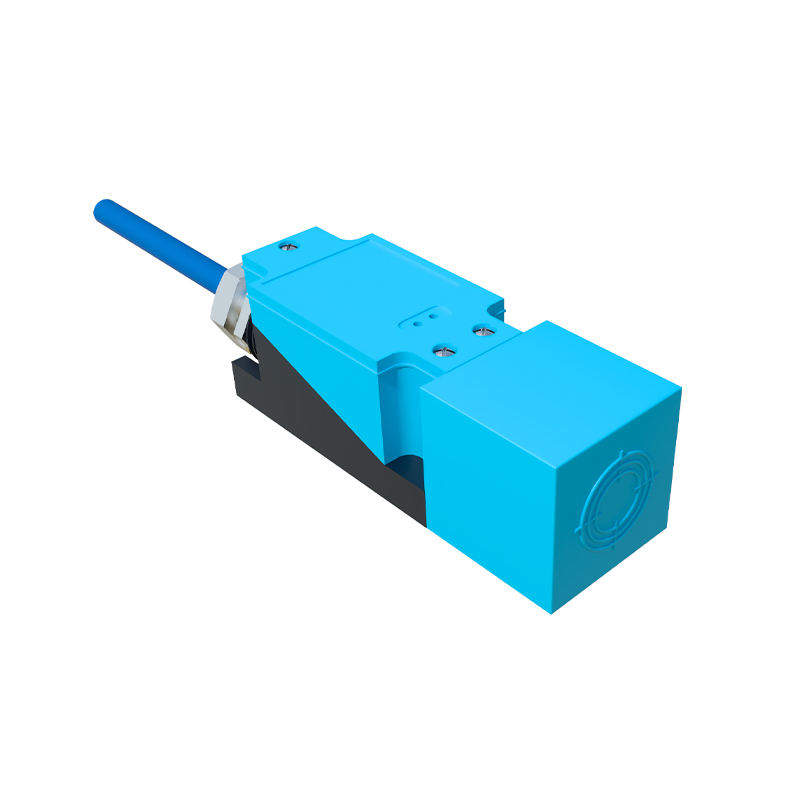
In summary, the NBB10 inductive proximity sensor represents a fundamental component in modern industrial automation. Its durability, consistent performance, and versatility make it a preferred choice for engineers and technicians designing reliable detection systems. By understanding its operating principles, technical limits, and application requirements, professionals can effectively deploy the NBB10 to enhance machine efficiency, safety, and operational uptime across countless industrial scenarios.