In modern industrial environments, laser technology has become indispensable for precision measurement, alignment, cutting, and quality control. However, the very power and precision that make lasers so valuable also pose a significant risk to sensitive electronic components, particularly sensors. Laser-induced sensor damage is a critical failure mode that can lead to costly downtime, inaccurate data, and compromised system safety. This article delves into the mechanisms of such damage, identifies vulnerable sensor types, and outlines best practices for prevention and mitigation.
The primary mechanism of laser damage to sensors is thermal. When a high-intensity laser beam, even briefly, strikes the sensitive area of a sensor—such as the photodiode in an optical sensor, the sensing element of a CMOS or CCD camera, or the diaphragm of a pressure transducer—the absorbed energy is converted into heat. This rapid local temperature rise can cause immediate and catastrophic failure. For semiconductor-based sensors, this can mean melted junctions, cracked substrates, or delaminated layers. The damage threshold is not a fixed value; it depends on laser parameters like wavelength, power density (W/cm²), pulse duration, and repetition rate, as well as sensor material properties and optical coatings.
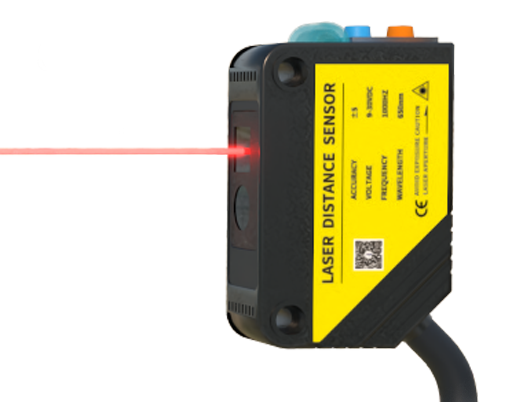
Beyond direct thermal ablation, lasers can cause subtler, cumulative damage. For instance, prolonged exposure to lower-power lasers, still above the sensor's maximum rated input, can lead to performance degradation. This includes increased dark current in photodetectors, reduced responsivity, or permanent changes in calibration. Furthermore, reflected or scattered laser light, often overlooked, can be just as harmful. In automated systems with multiple laser sources or in environments with reflective surfaces, indirect exposure is a common culprit.
Certain sensor families are exceptionally vulnerable. Optical position sensors (PSDs), laser triangulation sensors, and vision system cameras are on the front line, as they are designed to detect light. However, non-optical sensors are not immune. Intense laser light can heat the casing or wiring of proximity sensors, inductive sensors, or even temperature sensors themselves, leading to erroneous readings or failure. The risk is highest in applications like laser welding, engraving, 3D scanning, and LiDAR systems, where sensors operate in close proximity to active laser beams.
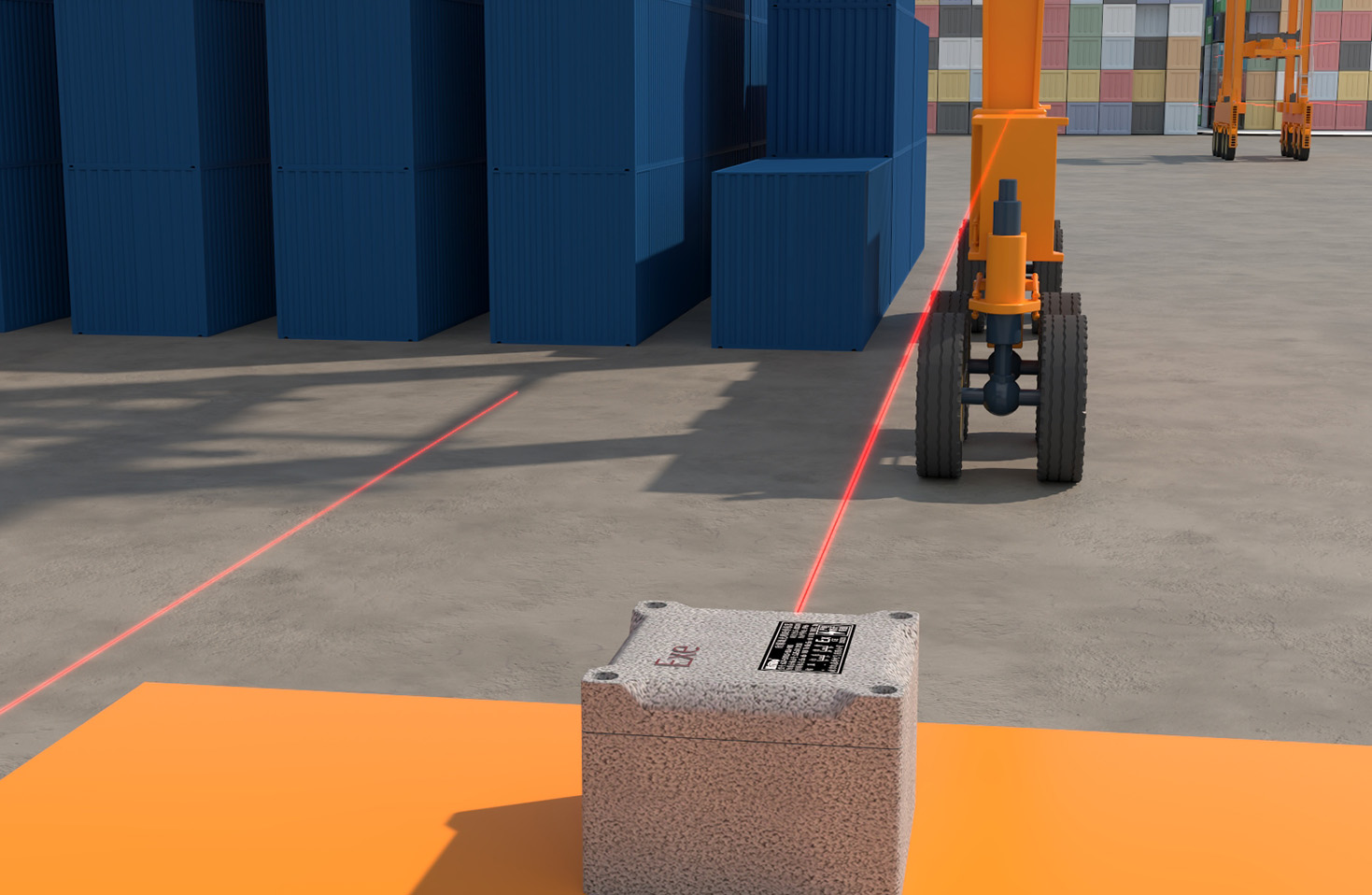
Preventing laser-induced sensor damage requires a multi-faceted engineering approach. The first and most effective line of defense is physical isolation and proper system design. Sensors should be positioned outside the direct path of the laser beam and its primary reflection zones. Using mechanical shrouds, baffles, or enclosures made from laser-absorbing or reflecting materials can block stray light. For optical sensors that must be in the line of sight, integrating appropriate optical filters is paramount. Bandpass filters that transmit only the sensor's intended measurement wavelength while blocking the specific wavelength of the process laser can dramatically reduce risk. Neutral density filters can attenuate overall light intensity.
Operational safeguards are equally crucial. Implementing interlocks that automatically disable the laser if a protective cover is removed or if a sensor reports an anomalous condition adds a layer of safety. Regular maintenance and inspection schedules should include checks for sensor windows and lenses, ensuring they are clean and free of coatings that could increase laser energy absorption. Training for personnel is vital; operators and technicians must understand the hazards of misalignment and the importance of never exposing a sensor to a live laser during setup or troubleshooting.
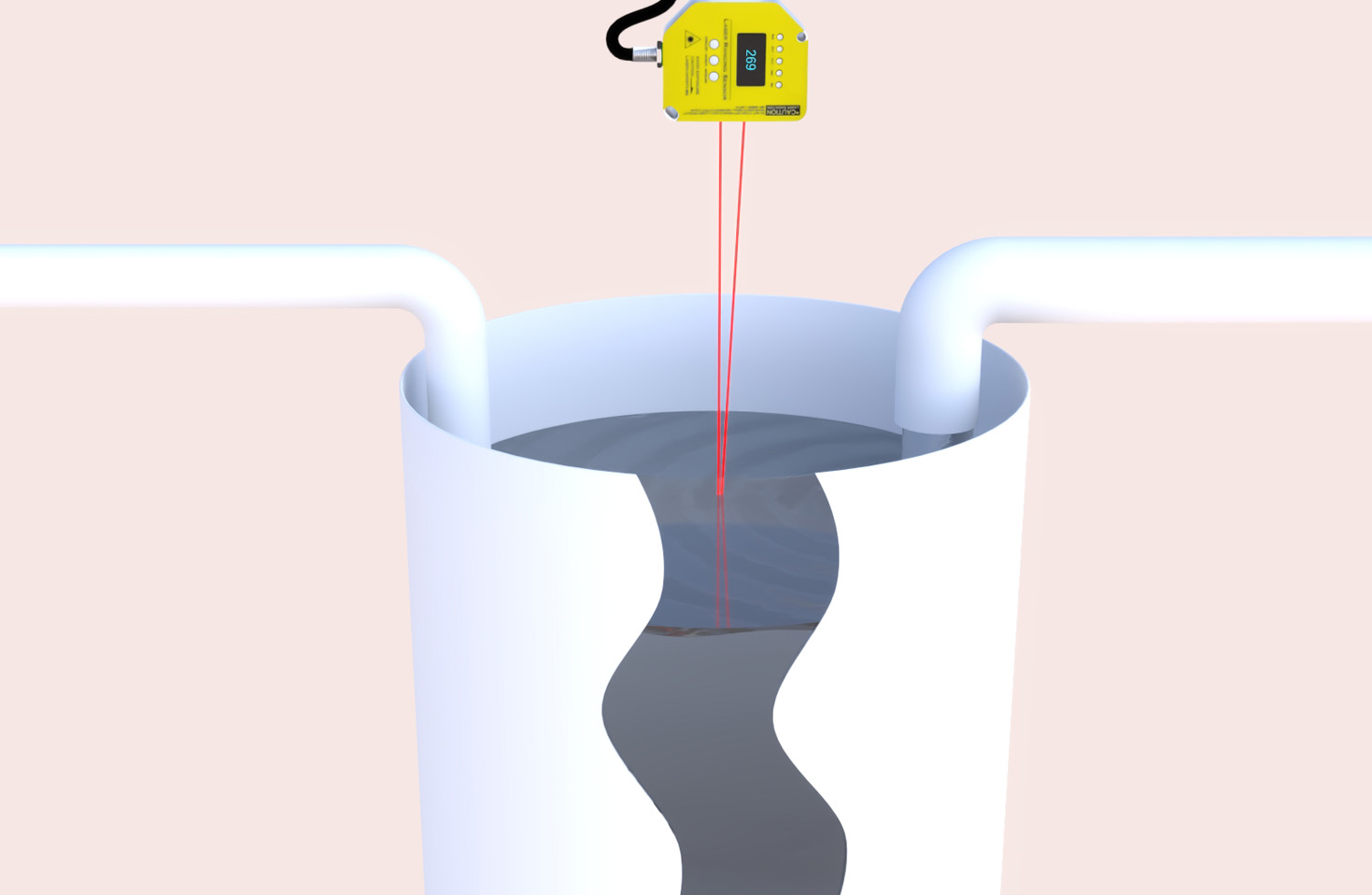
When damage is suspected, diagnostic steps include checking for physical marks on the sensor surface, testing for a complete loss of signal, or measuring a persistent offset or noise in the output. In many cases, the damage is irreversible, necessitating replacement. Therefore, selecting sensors with published optical damage threshold specifications and designing with a significant safety margin are prudent engineering practices.
In conclusion, as laser power and sensor sensitivity continue to advance in tandem, the potential for damaging interactions grows. A proactive understanding of the failure mechanisms, combined with robust system design incorporating physical barriers, optical filtering, and electronic safeguards, is essential for ensuring the reliability and longevity of sensor systems in laser-rich industrial environments. Investing in prevention is far more economical than facing the consequences of unexpected sensor failure.