In the rapidly evolving landscape of industrial manufacturing, laser cutting technology has emerged as a cornerstone for precision fabrication across diverse sectors, including automotive, aerospace, and electronics. At the heart of this technological prowess lies the laser cutting sensor—a critical component that ensures accuracy, repeatability, and operational safety. This article delves into the latest advancements in laser cutting sensors, exploring their mechanisms, applications, and the transformative impact they have on production workflows.
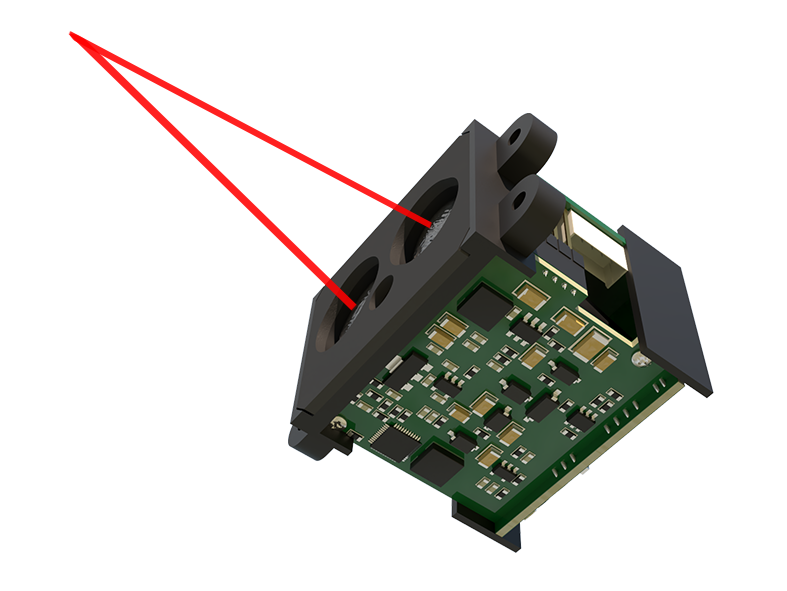
Laser cutting sensors are sophisticated devices designed to monitor and control the cutting process in real-time. They typically integrate optical, thermal, or acoustic elements to detect parameters such as beam alignment, material thickness, and cut quality. For instance, capacitive sensors are employed to maintain a consistent distance between the laser head and the workpiece, which is vital for achieving clean cuts without thermal distortion. Similarly, vision-based sensors utilize high-resolution cameras and machine learning algorithms to inspect cut edges for defects like burrs or irregularities, enabling immediate corrective actions. These sensors not only enhance precision but also minimize material waste, thereby optimizing resource utilization and reducing production costs.
Recent innovations have propelled laser cutting sensors into a new era of intelligence and connectivity. The integration of Internet of Things (IoT) capabilities allows sensors to transmit data to centralized control systems, facilitating predictive maintenance and process optimization. For example, thermal sensors can now predict potential equipment failures by analyzing heat patterns, while adaptive control sensors adjust laser parameters dynamically based on real-time feedback. This level of automation reduces human intervention, leading to higher throughput and consistent quality in high-volume manufacturing environments. Moreover, advancements in miniaturization have enabled the development of compact sensors that can be seamlessly integrated into robotic laser cutting systems, enhancing flexibility in complex applications such as 3D cutting or intricate geometric designs.

The applications of laser cutting sensors extend beyond traditional metal fabrication. In the electronics industry, they are crucial for precision cutting of circuit boards and micro-components, where even micron-level deviations can compromise functionality. In the medical field, sensors ensure sterile and accurate cutting of implants or surgical instruments from biocompatible materials. Additionally, the automotive sector relies on these sensors for producing lightweight components with tight tolerances, contributing to fuel efficiency and safety standards. As industries increasingly adopt additive manufacturing and hybrid processes, laser cutting sensors are evolving to support multi-material processing, further broadening their utility.
Despite their advantages, challenges persist in the deployment of laser cutting sensors. Environmental factors like dust, smoke, or reflective surfaces can interfere with sensor accuracy, necessitating robust shielding and calibration protocols. Furthermore, the high initial investment in advanced sensor systems may deter small to medium-sized enterprises. However, ongoing research in cost-effective sensor technologies, such as fiber-optic-based solutions, promises to democratize access. Looking ahead, the convergence of artificial intelligence and sensor technology is set to unlock unprecedented capabilities, such as autonomous decision-making and real-time quality assurance, paving the way for smarter, more resilient manufacturing ecosystems.
In conclusion, laser cutting sensors represent a pivotal innovation in modern industrial automation. By enhancing precision, efficiency, and adaptability, they empower manufacturers to meet the demands of an increasingly competitive global market. As technology continues to advance, these sensors will undoubtedly play an even more integral role in shaping the future of fabrication, driving sustainability and innovation across industries.