Proximity sensors are integral components in modern technology, found in smartphones, industrial automation, robotics, and automotive systems. Their primary function is to detect the presence or absence of an object within a specific range without physical contact, typically using infrared (IR) light, ultrasonic sound, or electromagnetic fields. However, a significant challenge that engineers and users frequently encounter is proximity sensor interference. This phenomenon can lead to erratic behavior, false triggers, or complete sensor failure, compromising device functionality and user experience.
Interference occurs when external factors disrupt the sensor's ability to accurately interpret its environment. The root causes are diverse and often stem from the sensor's operating principle. For optical-based sensors, especially IR sensors, ambient light is a predominant culprit. Strong sunlight or specific artificial lighting can flood the sensor's receiver with photons, saturating it and masking the reflected signal from the target object. Conversely, certain dark or highly absorbent materials may not reflect the emitted signal sufficiently, causing the sensor to fail to detect an object that is present.
Environmental contaminants pose another major threat. Dust, dirt, moisture, or oil accumulating on the sensor's lens or surface can attenuate or scatter the emitted signal. In industrial settings, this is a constant battle. A layer of grime can effectively blind an optical sensor, while condensation can refract ultrasonic waves unpredictably.
Electromagnetic interference (EMI) is a critical concern for inductive and capacitive proximity sensors, as well as for the circuitry of all sensor types. These sensors operate by generating electromagnetic fields. When placed near powerful sources of EMI—such as motors, transformers, welding equipment, radio transmitters, or even other sensors operating on similar frequencies—their fields can become distorted. This distortion leads to false readings, reduced sensing ranges, or increased sensor noise. In complex machinery, the close proximity of multiple sensors can cause them to interfere with each other, a problem known as crosstalk.
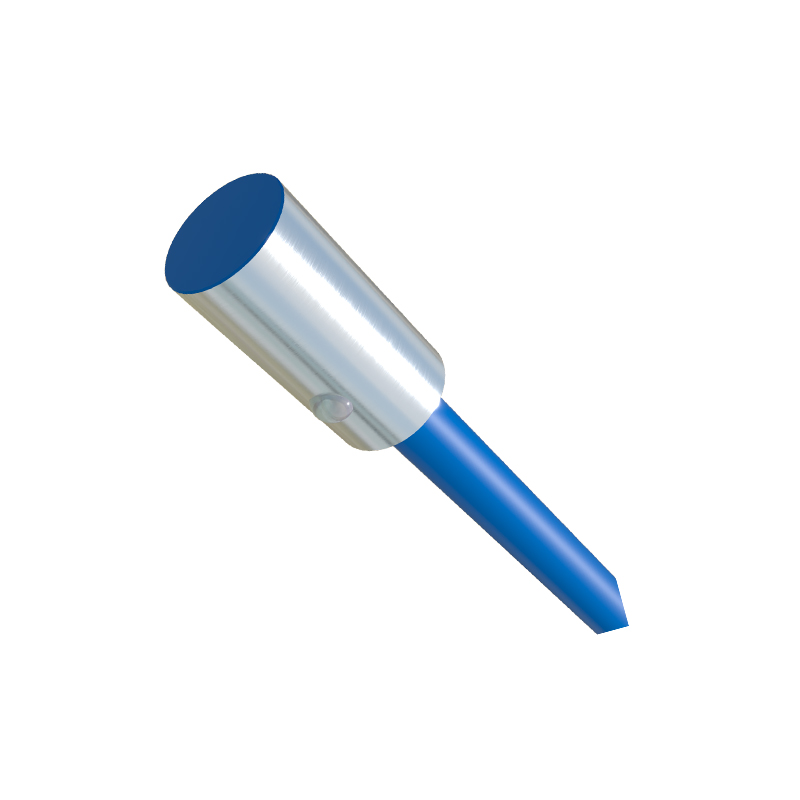
Physical and installation factors are frequently overlooked sources of interference. Incorrect mounting, such as having a metal mounting bracket too close to the sensing face of an inductive sensor, can alter its magnetic field. Excessive vibration can cause momentary changes in the distance between the sensor and target, creating signal noise. Even the material of the target object itself matters; for inductive sensors, different metals have different "correction factors" affecting sensing distance.
Addressing these interference problems requires a systematic approach, starting with sensor selection. Choosing the right technology for the environment is paramount. For instance, in environments with heavy dust or where the target object is transparent, an ultrasonic sensor might outperform an optical one. For detecting all materials, including non-metals, in dirty conditions, capacitive sensors could be the solution.
Shielding and filtering are essential engineering countermeasures. Physical shields, like rubber boots or metal shrouds, can protect sensors from contaminants and stray light. Electrical shielding and proper grounding are vital to combat EMI. Implementing electronic filters in the sensor's signal processing circuit can help distinguish the true signal from background noise. Low-pass filters can smooth out high-frequency noise, while digital algorithms can average readings over time to ignore transient spikes.
Environmental control, when possible, is highly effective. Installing protective enclosures with clean air purges can keep optical sensors free of dust. Using sunshades or hoods can mitigate the impact of ambient light. Ensuring stable power supplies with proper regulation prevents voltage fluctuations from introducing noise into the sensor system.
Finally, calibration and testing under real-world conditions are non-negotiable. A sensor calibrated in a clean lab will behave differently on a factory floor. Regular maintenance schedules for cleaning sensor faces and checking connections can prevent interference from building up over time. Advanced diagnostics, often built into modern smart sensors, can help identify the type of interference occurring, allowing for quicker troubleshooting.
In conclusion, while proximity sensor interference is a pervasive challenge, it is not insurmountable. By understanding the underlying causes—be it optical, environmental, electromagnetic, or mechanical—and implementing a combination of careful sensor selection, physical protection, electronic filtering, and diligent maintenance, reliable and accurate proximity sensing can be achieved even in the most demanding applications. The key lies in anticipating interference as a design constraint rather than reacting to it as a field failure.