In the dynamic landscape of industrial automation, reliable and precise sensing technology is paramount. Banner Engineering, a globally recognized leader in the field, has set a high standard with its comprehensive range of proximity sensors. These devices are fundamental components in countless applications, from manufacturing and packaging to material handling and automotive assembly. This article delves into the core principles, key features, and diverse industrial applications of Banner proximity sensors, highlighting why they are a preferred choice for engineers and system integrators worldwide.
At their essence, Banner proximity sensors are non-contact electronic devices designed to detect the presence or absence of an object within a specified sensing range without any physical contact. They operate primarily on two prevalent technologies: inductive and capacitive sensing. Inductive proximity sensors are the workhorses for detecting metallic objects. They generate an electromagnetic field; when a metal target enters this field, it induces eddy currents within the target, causing a change in the sensor's oscillation amplitude. This change is detected and converted into a solid-state output signal. Banner's inductive sensors are renowned for their exceptional durability, resistance to environmental contaminants like dust and oil, and their ability to detect ferrous and non-ferrous metals at varying ranges with high repeatability.
Capacitive proximity sensors, on the other hand, can detect both metallic and non-metallic materials, including liquids, plastics, glass, and wood. They function by generating an electrostatic field. The presence of any material with a dielectric constant different from air alters the capacitance of the sensor's circuit, triggering an output. Banner's capacitive sensors are invaluable in applications involving level detection of liquids or granular materials, or detecting non-metallic objects on conveyor lines. Many models feature sensitivity adjustments, allowing users to fine-tune the sensor to ignore certain container materials and detect only the contents.
Several defining features distinguish Banner proximity sensors in a competitive market. First is their robust construction. Housed in typically nickel-plated brass or stainless-steel barrels, they are built to withstand harsh industrial environments involving washdowns, extreme temperatures, and mechanical impacts. Many models carry high IP (Ingress Protection) ratings, such as IP67 and IP69K, ensuring reliable operation in the presence of water, dust, and chemicals.
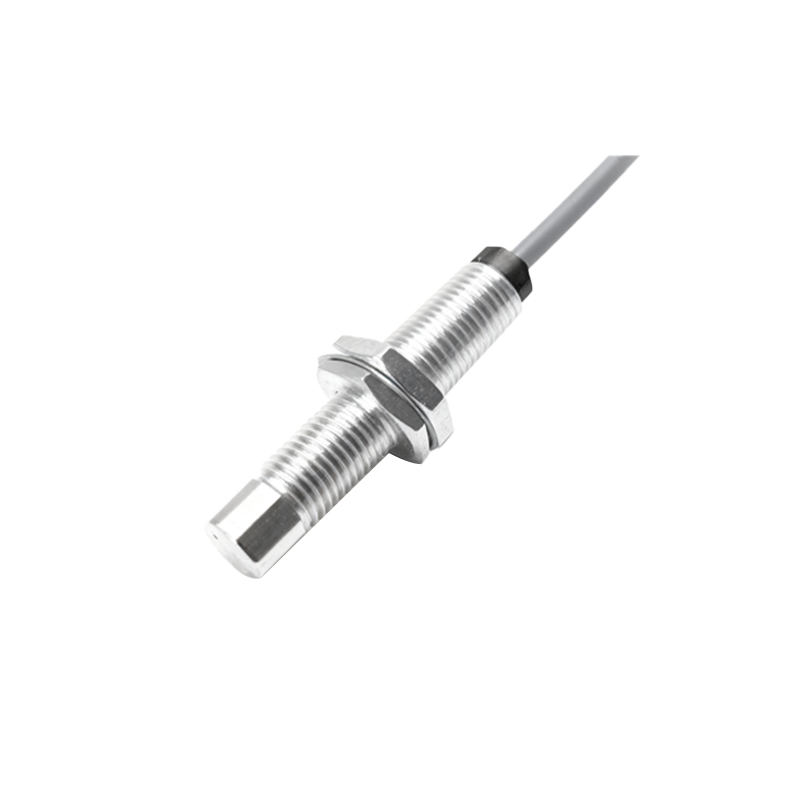
Second is their advanced sensing performance. Banner incorporates innovative technologies like Factor 1 sensing, which allows their inductive sensors to detect all metals (steel, aluminum, copper, etc.) at the same rated sensing distance—a significant advantage over traditional sensors whose range varies with metal type. This simplifies installation and inventory management. Furthermore, their sensors offer exceptional immunity to electromagnetic interference (EMI) and voltage fluctuations, minimizing false triggers and ensuring system stability.
Third is the versatility in output configurations and form factors. Banner provides sensors with discrete outputs (NPN, PNP, NO, NC) and analog outputs (4-20 mA, 0-10 V) to interface seamlessly with PLCs (Programmable Logic Controllers), motor drives, and other control systems. Their product portfolio includes tubular sensors in various thread sizes (e.g., M8, M12, M18, M30), rectangular and ring-style sensors, and even miniature models for space-constrained applications. Many are equipped with LED status indicators for easy diagnostics.
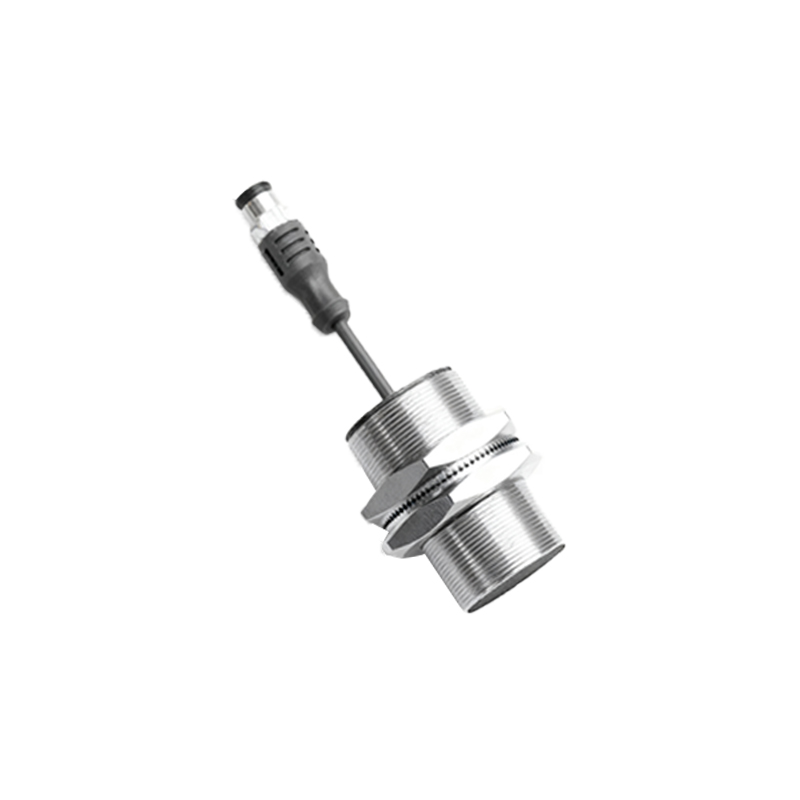
The application spectrum for Banner proximity sensors is vast. In automotive manufacturing, they are used for part presence verification, robotic arm positioning, and weld nut detection. In packaging machinery, they detect labels, count products, and control fill levels. On conveyor systems, they provide precise object detection for sorting, diverting, and palletizing operations. In food and beverage processing, their washdown-rated sensors ensure hygiene while detecting bottles, cans, and caps. They are also critical in metalworking for tool breakage detection and in assembly lines for verifying component placement.
When integrating these sensors, proper selection and installation are crucial. Engineers must consider the target material, required sensing distance, environmental conditions, electrical requirements, and mounting constraints. Banner provides extensive technical documentation, application notes, and online tools to aid in this selection process. Correct installation, ensuring adequate clearance from metal surroundings (to prevent shielding effects) and proper wiring, is key to achieving optimal performance.
In conclusion, Banner proximity sensors represent a fusion of robust engineering, innovative technology, and practical design. Their reliability, accuracy, and adaptability make them indispensable tools for enhancing efficiency, safety, and quality in modern industrial automation. By understanding their operating principles and capabilities, engineers can effectively leverage these sensors to build more intelligent, responsive, and resilient automated systems. As Industry 4.0 and the Industrial Internet of Things (IIoT) evolve, the role of precise, connected sensing—exemplified by Banner's offerings—will only become more central to operational success.