In the realm of modern electrical engineering and industrial automation, the integration of CMOS (Complementary Metal-Oxide-Semiconductor) sensors with laser technology has revolutionized precision detection and measurement systems. CMOS sensors, known for their low power consumption, high integration capability, and cost-effectiveness, serve as the core imaging components in laser-based applications. These sensors convert light signals—often from laser sources—into electrical signals, enabling accurate data capture in environments ranging from manufacturing floors to scientific laboratories.
Laser systems paired with CMOS sensors are widely used for tasks such as distance measurement, object recognition, and quality inspection. For instance, in LiDAR (Light Detection and Ranging) systems, lasers emit pulsed light, and CMOS sensors detect the reflected signals to create detailed 3D maps. This synergy allows for high-speed, real-time processing with minimal latency, a critical factor in autonomous vehicles and robotics. The CMOS architecture supports on-chip signal processing, reducing the need for external components and enhancing system reliability.
One key advantage of CMOS sensors in laser applications is their scalability. Engineers can design arrays of pixels tailored to specific wavelengths of laser light, improving sensitivity and signal-to-noise ratios. Additionally, CMOS technology facilitates the development of compact, lightweight devices, making it ideal for portable or embedded systems. However, challenges like thermal noise and dynamic range limitations must be addressed through advanced calibration and filtering techniques.
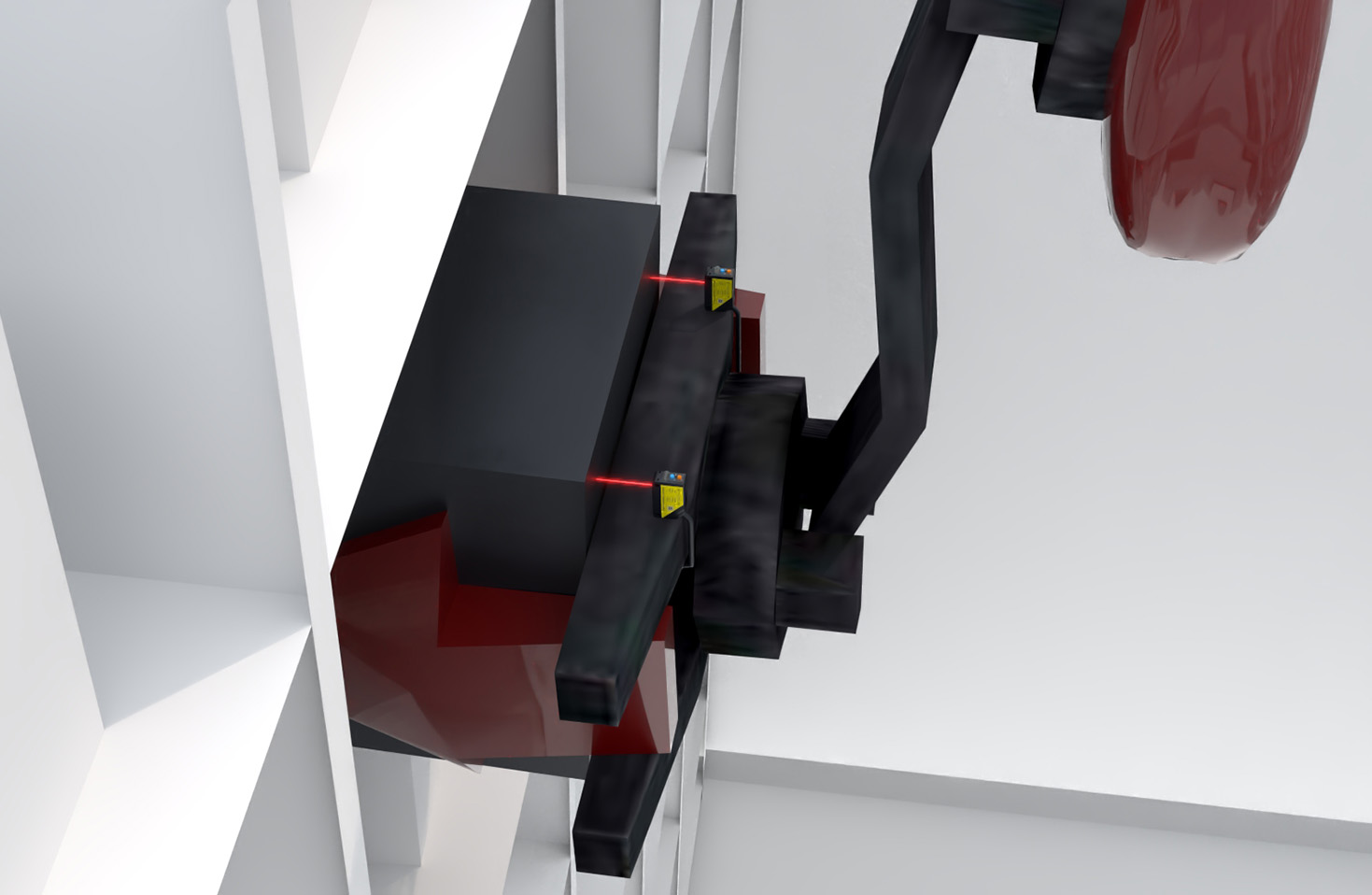
In industrial settings, laser-CMOS combinations enable non-contact inspection, such as detecting defects in materials or aligning components in assembly lines. The sensors' ability to operate at high frame rates ensures rapid feedback, boosting productivity and reducing waste. As laser sources evolve toward higher power and narrower beams, CMOS sensors are adapting with enhanced quantum efficiency and lower dark current, pushing the boundaries of resolution and accuracy.
Future trends point toward the integration of AI algorithms directly with CMOS-laser systems, allowing for intelligent decision-making at the edge. This convergence will further expand applications in medical diagnostics, environmental monitoring, and smart infrastructure. For engineers, mastering the interplay between laser parameters and CMOS sensor specifications is essential for optimizing performance and driving innovation in detection technologies.
Overall, the marriage of CMOS sensors and lasers represents a cornerstone of contemporary electrical engineering, offering versatile solutions that balance precision, efficiency, and affordability. By leveraging ongoing advancements in semiconductor fabrication and optical engineering, this technology continues to shape the future of automated and data-driven industries.