In the rapidly evolving landscape of electronic design, the demand for energy-efficient components has never been higher. Low power proximity sensor technology stands at the forefront of this revolution, enabling smarter, longer-lasting devices across consumer electronics, industrial automation, automotive systems, and IoT applications. This article delves into the core principles, key technologies, and transformative impact of these sophisticated sensing solutions.
At its essence, a proximity sensor detects the presence or absence of an object within a specific range without physical contact. Traditional sensors often consumed significant power, limiting their use in battery-dependent or always-on applications. The advent of low-power variants has shattered this barrier. The primary goal is to minimize the sensor's active and quiescent current draw, often achieving operational currents in the microampere (µA) or even nanoampere (nA) range. This is accomplished through a multi-faceted approach involving advanced semiconductor design, intelligent power management architectures, and innovative sensing methodologies.
Several core technologies enable this remarkable efficiency. Infrared (IR) sensing, particularly using modulated IR LEDs paired with photodiodes or phototransistors, remains prevalent. Modern low-power IR sensors incorporate pulsed operation, where the LED emits short, high-intensity bursts rather than a continuous beam. This drastically reduces average power consumption while maintaining detection reliability. Algorithms for background light cancellation further enhance accuracy without added energy cost.
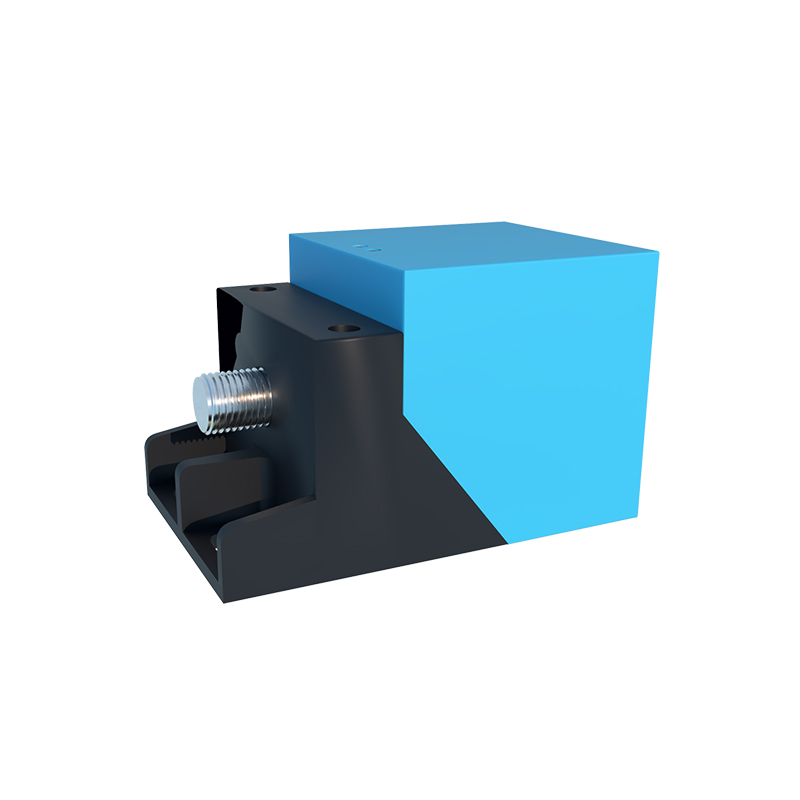
Capacitive sensing represents another pillar of low-power proximity detection. It works by measuring changes in capacitance caused by the approach of a conductive or dielectric object. Recent advancements in microcontroller-integrated capacitive sensing units (CAPSENSE) allow for ultra-low-power operation by employing sophisticated sleep-wake cycles and signal processing that requires minimal active computation time. These sensors are ideal for touchless interfaces and liquid-level detection.
A rising star in this domain is the Time-of-Flight (ToF) sensor. While historically power-hungry, new-generation ToF sensors use Vertical-Cavity Surface-Emitting Lasers (VCSELs) and single-photon avalanche diodes (SPADs) in highly optimized circuits. They measure the round-trip time of a light pulse to determine distance. Power savings are achieved through region-of-interest scanning, adaptive frequency modulation, and deep integration with host processors that handle complex data, allowing the sensor itself to remain in a low-power state.
The architecture of these sensors is equally critical. Modern low-power proximity sensors are not standalone components but systems-on-chip (SoCs) or tightly integrated modules. They feature built-in power management units (PMUs) that dynamically scale voltage and frequency based on the required detection range and accuracy. Advanced interrupt functionalities allow the sensor to operate autonomously, waking the main application processor only when a relevant event (like an object approaching) is detected. This "wake-on-proximity" capability is a game-changer for battery life.
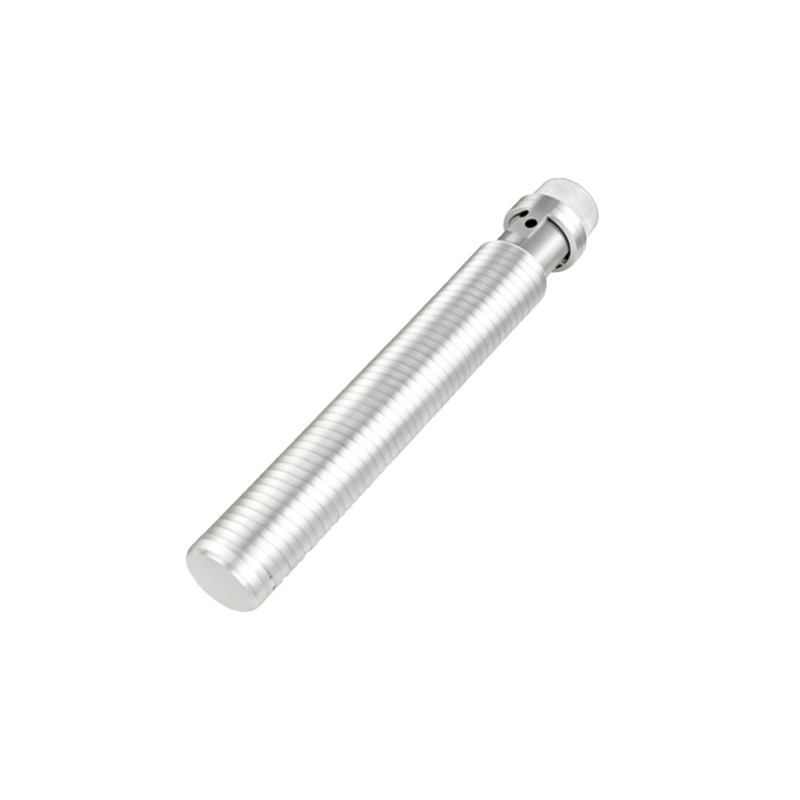
The benefits extend far beyond simple power savings. In smartphones and tablets, low-power proximity sensors enable features like automatic display turn-off during calls and gesture recognition, contributing significantly to overall device longevity. In the Internet of Things (IoT), they are indispensable for smart home devices (e.g., automatic faucets, lighting controls), wearables, and asset tracking tags, where changing batteries is impractical. Industrial applications benefit from predictive maintenance systems and touchless safety barriers that can operate for years on a single battery. The automotive sector integrates them for keyless entry, occupancy detection, and driver monitoring systems, enhancing both convenience and safety.
However, designing with these sensors presents challenges. Engineers must carefully balance detection range, response time, environmental robustness (against sunlight, dust, or temperature variations), and power budget. False triggers must be minimized through clever firmware and hardware design. Furthermore, the choice of sensing technology—IR, capacitive, ToF, or even emerging ultrasonic or magnetic types—depends heavily on the target material, required range, and the specific environmental conditions.
Looking ahead, the future of low-power proximity sensing is intertwined with artificial intelligence and energy harvesting. On-sensor machine learning cores can pre-process data to identify complex patterns (e.g., distinguishing a hand wave from random motion) locally, preventing unnecessary power-hungry data transmission. Meanwhile, research into powering sensors from ambient light, vibration, or RF energy promises the ultimate goal of perpetually powered, zero-maintenance sensing nodes.
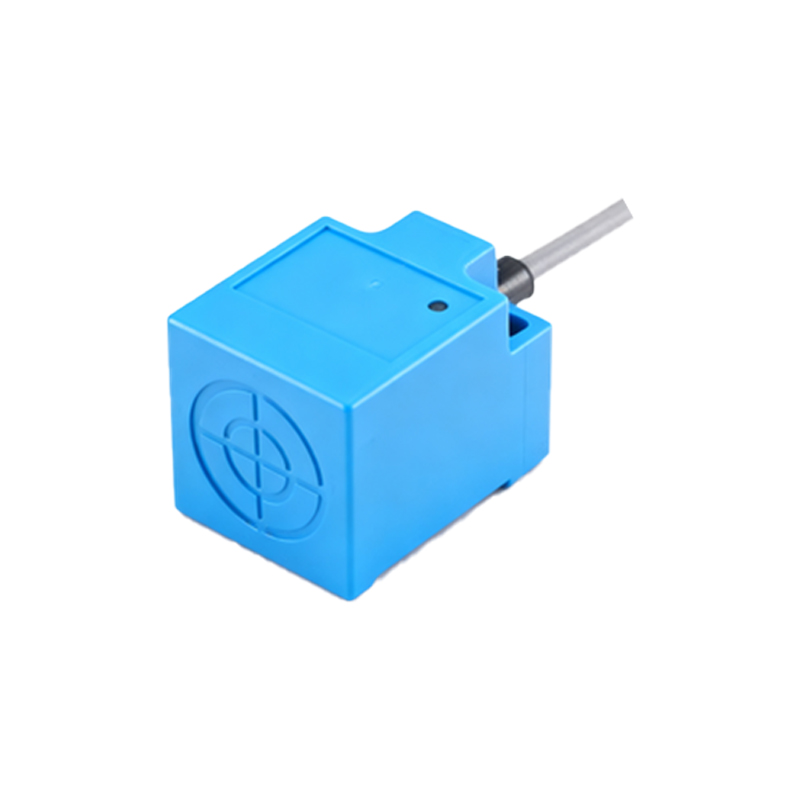
In conclusion, low power proximity sensor technology is a cornerstone of the energy-conscious electronics era. By intelligently merging advanced materials, innovative circuit design, and system-level power management, it provides the essential "sense of touch" to our devices while preserving their vitality. As the drive for miniaturization and sustainability intensifies, these sensors will continue to evolve, becoming even more invisible, intelligent, and integral to the seamless operation of the technology that defines our daily lives.