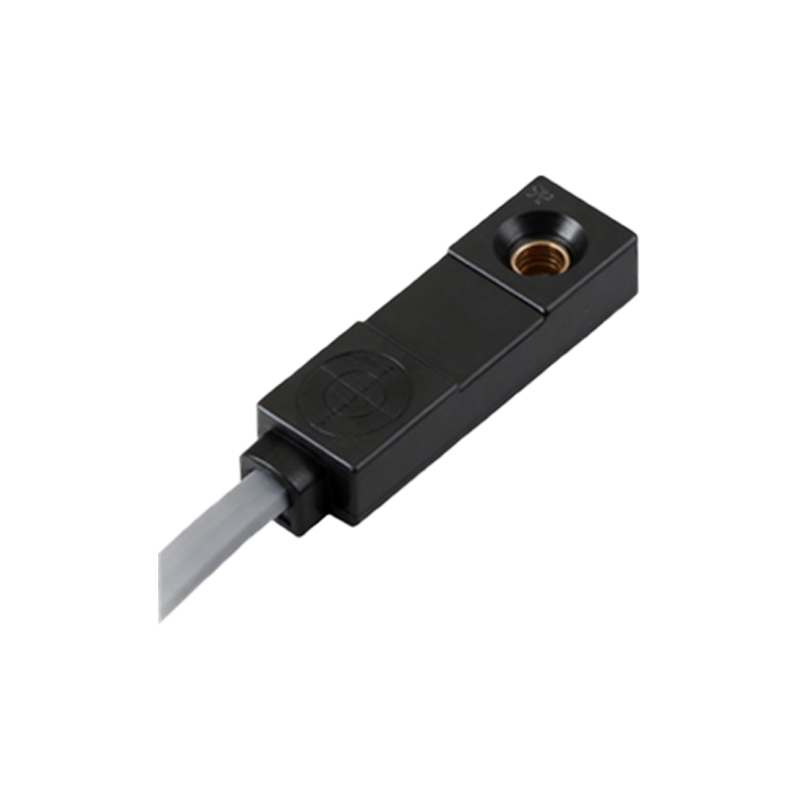
In industrial automation and machinery design, the precise detection of objects is paramount for ensuring operational efficiency, safety, and process reliability. Circular inductive proximity sensors are ubiquitous components in this landscape, valued for their non-contact operation, durability, and resistance to environmental factors like dust and moisture. However, the full potential of these sensors is only realized when they are mounted correctly and securely. This is where the often-overlooked but critical component—the mounting block—comes into play. A circular proximity sensor mounting block is not merely a bracket; it is an engineered interface that dictates the sensor's alignment, stability, and ultimately, its performance.
The primary function of a mounting block is to provide a rigid and accurate mounting point for the sensor. Proximity sensors have a defined sensing range and field, which is typically conical or cylindrical emanating from the face of the sensor. Any misalignment or vibration can drastically reduce the effective sensing distance or cause false triggers. A high-quality mounting block, typically machined from materials like stainless steel, aluminum, or engineered plastics, ensures the sensor body is held firmly in the exact position required by the application. This is especially crucial in high-vibration environments such as stamping presses, conveyor systems, or robotic arms, where loose mounting can lead to premature sensor failure or inconsistent readings.
Mounting blocks are designed to accommodate the standardized threaded barrels of circular proximity sensors, which commonly follow M8, M12, M18, and M30 metric thread sizes. The block itself is then secured to the machine frame, panel, or other structure using its own mounting holes. This two-stage mounting system offers significant advantages. First, it allows for fine adjustment during installation. The sensor can be threaded in or out of the block to achieve the perfect sensing distance before being locked in place with a locking nut, often integrated into the block's design. Second, it simplifies maintenance and replacement. A faulty sensor can be unscrewed from the block without disturbing the block's mounting on the machine, minimizing downtime.
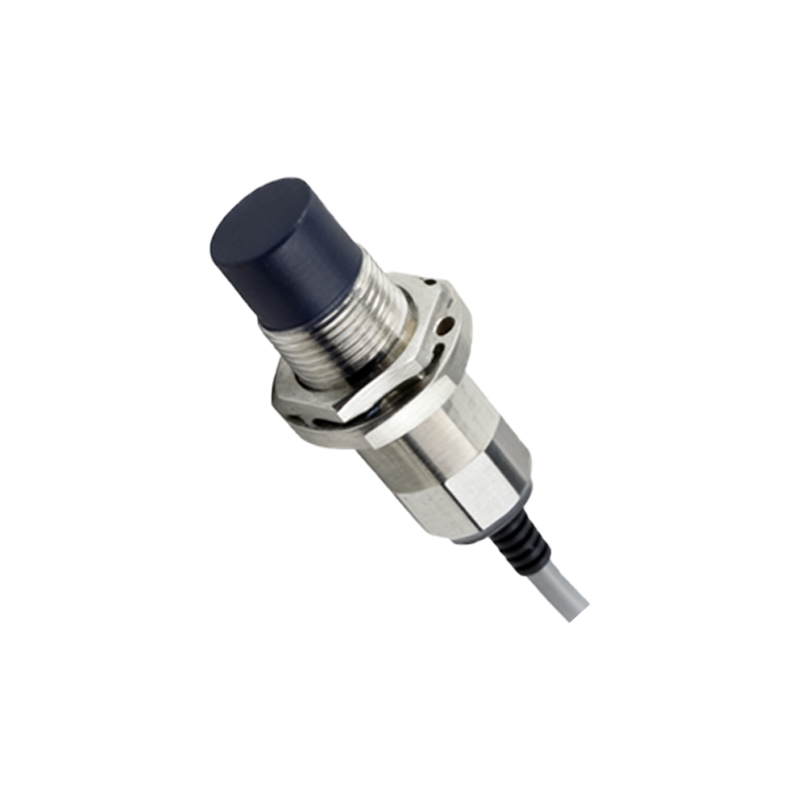
Beyond basic mounting, these blocks serve several protective and functional roles. Many designs incorporate features that shield the sensor's sensing face from physical damage. For instance, blocks used in welding applications may have extended shrouds or are made from high-temperature materials to protect the sensor from spatter and radiant heat. In washdown environments common in food and beverage or pharmaceutical industries, blocks with smooth surfaces and proper sealing grooves help prevent the entrapment of fluids and contaminants, complementing the sensor's own IP (Ingress Protection) rating.
Selection of the appropriate mounting block requires careful consideration of several parameters alongside the sensor itself. The material must be compatible with the operating environment—stainless steel (e.g., 303 or 316 grade) for corrosive or hygienic settings, and aluminum for general-purpose use. The block's length and standoff distance are critical; they determine how far the sensor protrudes from the mounting surface, which can be essential for detecting objects in tight spaces or ensuring the sensing face clears an obstruction. Engineers must also consider the orientation of the cable outlet (axial or radial) and whether a pre-wired connector version or a conduit entry is more suitable for the electrical enclosure strategy.
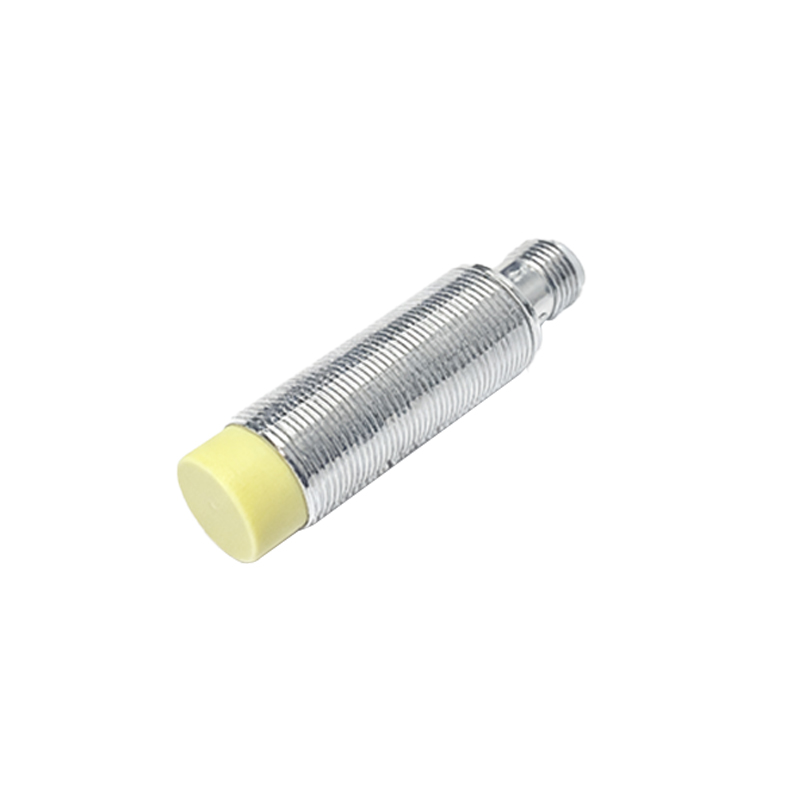
Installation best practices begin with ensuring the mounting surface is clean, flat, and sufficiently robust. The block should be torqued to the manufacturer's specification to avoid distortion. When threading the sensor into the block, care should be taken not to cross-thread the precision threads. After positioning the sensor at the correct distance from the target—typically 0.8 times the rated sensing distance for a standard target—the locking nut should be firmly tightened. It is also good practice to verify the installation with the actual target material under real operating conditions, as the sensing characteristics can vary with different metals.
In conclusion, the circular proximity sensor mounting block is a fundamental element in a robust sensing solution. Its role in ensuring precise, reliable, and repeatable object detection cannot be overstated. By choosing the correct block material, size, and style for the application, and following proper installation procedures, engineers and technicians can significantly enhance system uptime, reduce maintenance costs, and guarantee the long-term reliability of their automated processes. Viewing the sensor and its mount as an integrated system, rather than separate components, is the hallmark of proficient industrial design and maintenance.