Laser sensors have become indispensable tools across numerous industrial sectors, offering unparalleled precision, reliability, and versatility. These devices operate by emitting a focused beam of light—typically from a laser diode—and analyzing the reflected signal to measure distance, detect presence, or profile objects. Their non-contact nature makes them ideal for applications where physical contact could damage the product or sensor, such as in delicate electronics assembly or high-speed packaging lines.
One of the most prevalent types is the laser distance sensor. Utilizing time-of-flight (ToF) or triangulation principles, these sensors provide highly accurate measurements, often with sub-millimeter resolution. In manufacturing, they are crucial for verifying part dimensions, controlling robotic positioning, and ensuring consistent fill levels in containers. For instance, in automotive assembly, laser distance sensors ensure precise gap and flush measurements between body panels, directly impacting vehicle quality and aesthetics.
Another critical category is the laser contrast sensor. Engineered to detect marks, labels, or color differences on surfaces, these sensors excel in packaging and printing industries. They function by analyzing the intensity of the reflected laser light; a significant change indicates a contrast edge. This capability is vital for tasks like label verification on pharmaceutical bottles or ensuring correct orientation of components on a conveyor. Their high sensitivity allows them to distinguish even subtle contrasts under varying ambient light conditions, thanks to integrated background suppression technologies.
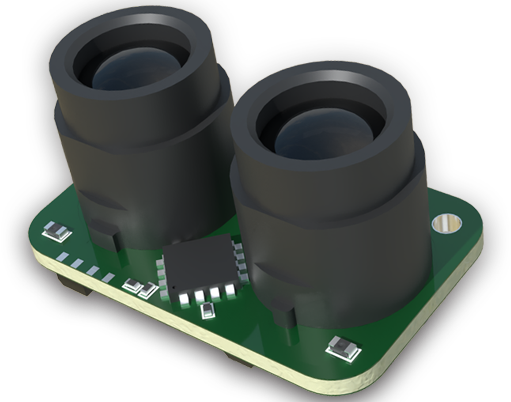
Laser profile sensors, or laser scanners, represent a more advanced application. They project a laser line onto a target and use a camera to capture the deformation of this line. This data generates a detailed 2D or 3D profile of the object, enabling complex inspections for shape, volume, or surface defects. Common uses include weld seam inspection, tire tread analysis, and verifying the integrity of molded plastic parts. The ability to capture thousands of data points per second makes them powerful for quality control in high-throughput environments.
When selecting a laser sensor, engineers must consider several key parameters. Measurement range and resolution define the sensor's capability. Response time or switching frequency determines how quickly the sensor can detect changes, a critical factor in high-speed automation. Environmental robustness is also paramount; many industrial sensors feature rugged housings (IP67 or higher) to withstand dust, moisture, and vibration. Furthermore, the type of output—analog (4-20 mA, 0-10 V), digital (PNP/NPN), or serial communication (IO-Link, Ethernet/IP)—must align with the existing control system architecture.
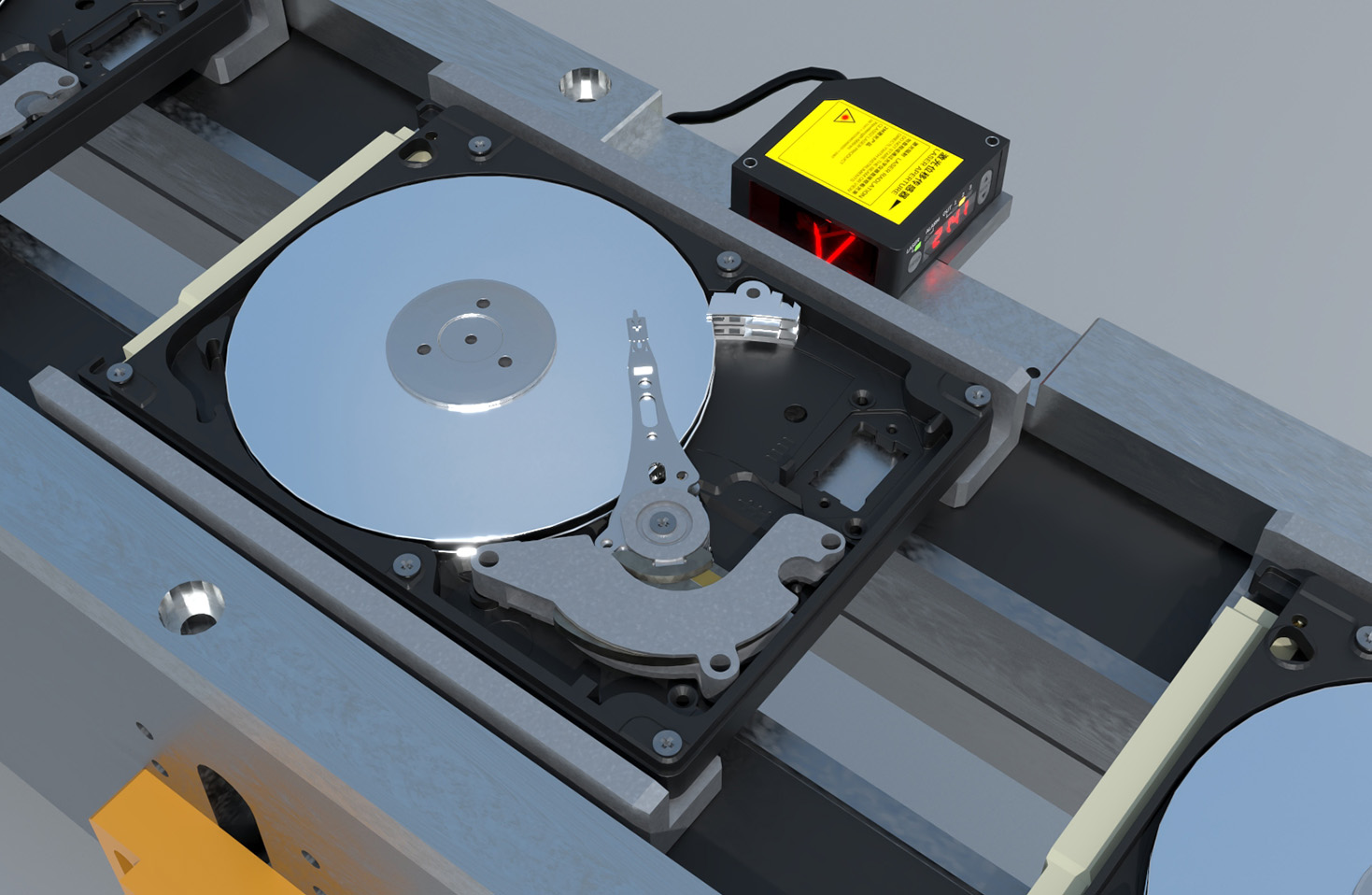
Despite their advantages, laser sensors have limitations. Highly reflective, transparent, or absorbent surfaces can challenge standard sensors, potentially requiring specialized models with adjustable sensitivity or different wavelengths. Ambient optical interference from strong sunlight or other lasers must also be mitigated through proper housing or optical filters. Regular maintenance, such as lens cleaning, is necessary to sustain optimal performance, as contamination can scatter or attenuate the laser beam.
The future of laser sensing is intertwined with Industry 4.0. Modern sensors increasingly feature smart diagnostics and predictive maintenance capabilities via integrated IO-Link communication. This allows for remote parameter adjustment, continuous condition monitoring, and seamless data integration into higher-level manufacturing execution systems (MES). The development of more compact, energy-efficient, and cost-effective models continues to expand their application scope, from traditional heavy industry to emerging fields like collaborative robotics and micro-assembly.
In conclusion, from simple presence detection to complex 3D profiling, laser sensors are foundational components in modern industrial automation. Their selection and application require a clear understanding of both the operational principle and the specific demands of the task at hand. By leveraging the right type of laser sensor, engineers can achieve significant improvements in accuracy, efficiency, and overall system reliability.