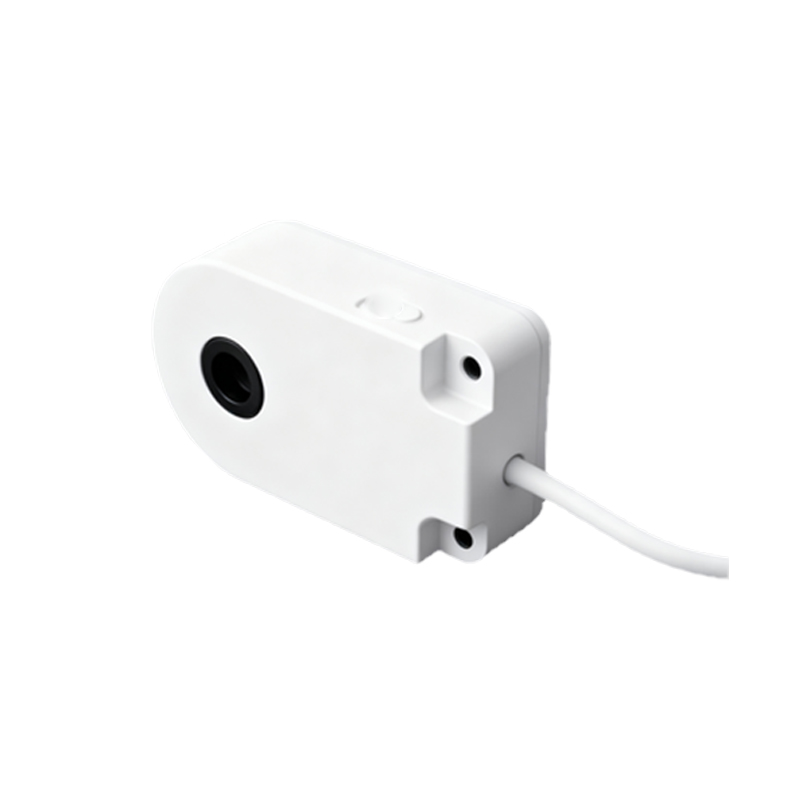
Proximity switches, also known as proximity sensors, are fundamental components in modern industrial automation and control systems. These non-contact sensing devices detect the presence or absence of an object within a specified range without physical contact. A critical parameter defining their performance and application suitability is the working distance, often referred to as the sensing range or nominal sensing distance. This distance is the maximum gap at which the sensor can reliably detect a standard target under specified conditions.
The working distance is not a single, fixed value but is influenced by several key factors. Primarily, it depends on the sensor's technology. Inductive proximity switches, designed for detecting metallic objects, typically have a sensing range from a fraction of a millimeter up to about 60 millimeters. Their effective distance is influenced by the target metal's properties; for instance, steel is detected at the nominal range, while non-ferrous metals like aluminum or copper may reduce the effective sensing distance due to lower permeability and conductivity. Capacitive proximity sensors, capable of detecting both metallic and non-metallic materials, generally offer shorter ranges, often up to 25 mm, and their performance is highly sensitive to the target material's dielectric constant. Ultrasonic and photoelectric sensors can achieve significantly longer working distances, from centimeters to several meters, but they operate on different physical principles involving sound waves and light beams, respectively.
Another crucial factor is the size and shape of the standard target. Manufacturers define the nominal sensing distance (Sn) using a specific standard target, usually a square plate of mild steel (Fe360) for inductive sensors. This target's side length is typically equal to the diameter of the sensor's active face or three times the nominal sensing distance, whichever is greater. If the actual target in an application is smaller, thinner, or has an irregular shape, the effective working distance will be reduced. For example, a thin wire will have a much smaller detectable range compared to a solid metal block.
Environmental conditions play a substantial role in the real-world working distance. Temperature fluctuations can affect the electronic components and oscillation circuits within the sensor, potentially altering its sensitivity. For inductive and capacitive sensors, the presence of other metals in the vicinity (mounting in a metal bracket) or contaminants like dust, oil, or coolant can also influence the electromagnetic field, leading to a decrease in the effective range or even false triggering. This is why many sensors specify a "corrected operating distance," which accounts for these influences, typically set at 70-80% of the nominal Sn to ensure reliability.
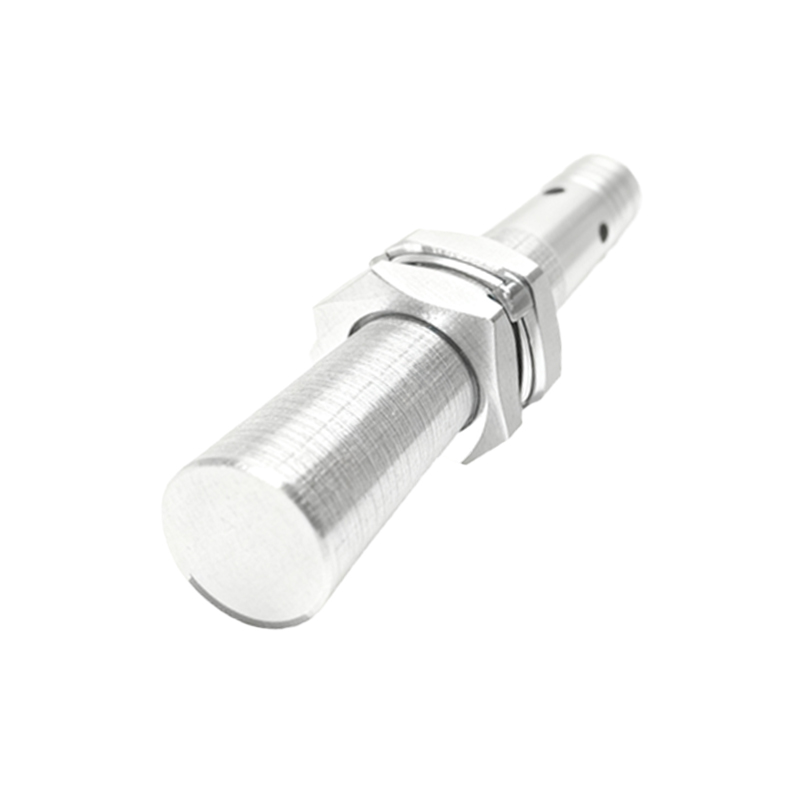
Ensuring consistent and reliable operation requires careful consideration of the working distance during sensor selection and installation. A common best practice is to derate the nominal sensing distance. Engineers often plan for an effective operating distance of 60-70% of the catalogued Sn to build in a safety margin against material variations, temperature drift, voltage tolerances, and part wear. The sensor should be mounted so that the target approaches the active sensing face perpendicularly for maximum range. Lateral or oblique approaches can shorten the effective distance. Furthermore, maintaining adequate clearance between multiple sensors is essential to prevent mutual interference, which can destabilize the oscillators in inductive models.
Calibration and testing are vital. While proximity switches are generally not field-adjustable for range (unlike some photoelectric sensors with potentiometers), verifying the detection under actual operating conditions is crucial. Using the actual target material and simulating the worst-case environmental scenarios—such as high temperature, voltage dips, or covered sensor faces—helps validate the chosen working distance margin.
In summary, the working distance of a proximity switch is a deceptively simple specification that hinges on a complex interplay of sensor technology, target characteristics, and environmental factors. A deep understanding of these variables allows engineers to select the correct sensor, apply appropriate derating factors, and implement robust installation practices. This ensures the sensor delivers reliable, maintenance-free operation, forming the backbone of precise and efficient automated systems in manufacturing, packaging, material handling, and countless other industrial domains.