In the realm of home automation and DIY electronics, proximity sensor switches have transitioned from purely industrial applications to becoming invaluable tools for the modern, tech-savvy homeowner. These non-contact sensors detect the presence or absence of an object within a specific range without any physical touch, offering reliability, longevity, and a touch of futuristic convenience. For the electrical hobbyist or the homeowner looking to integrate smarter systems, understanding and utilizing these sensors can unlock a new level of automated functionality.
At its core, a proximity switch operates by emitting an electromagnetic field or a beam of electromagnetic radiation (like infrared light). When an object enters this field, it causes a change in the signal, which is then detected by the sensor's receiver circuit, triggering a switch action. The most common types suitable for home projects are inductive, capacitive, and infrared (IR) sensors. Inductive sensors are perfect for detecting metallic objects—imagine a cabinet door that automatically lights up when a metal utensil is near. Capacitive sensors can detect both metallic and non-metallic materials, including liquids and human hands, making them ideal for touchless faucets or presence detection under a sofa. IR sensors, often used in security systems or automatic towel dispensers, detect infrared radiation emitted or reflected by objects.
The advantages of incorporating these sensors into home setups are numerous. Firstly, they offer exceptional durability. With no moving parts that can wear out from physical contact, their operational life far exceeds that of mechanical switches. This makes them perfect for high-traffic areas like garage doors, closet lights, or main entrances. Secondly, they provide enhanced hygiene and convenience. Touchless activation for trash cans, soap dispensers, or lighting in kitchens and bathrooms minimizes the spread of germs—a feature whose value has been underscored in recent times. Furthermore, they contribute to energy efficiency. Lights or appliances can be configured to turn on only when presence is detected and automatically shut off after a period of absence, reducing phantom power consumption.
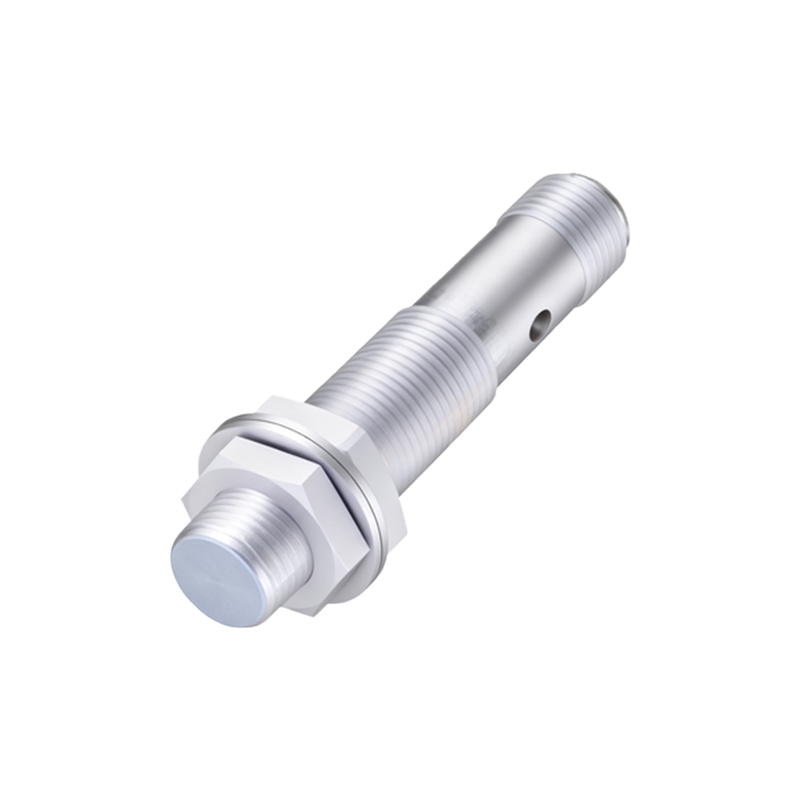
For a practical home project, consider installing an inductive proximity sensor for an automated workshop bench light. You would need a 12-24V DC inductive sensor, a compatible relay module, a power supply, and your light fixture. Mount the sensor discreetly under the workbench edge. Wire the sensor's output to control the relay, which in turn switches the higher-voltage circuit for the light. When your metal tool box or your hand (if wearing a metal watch) approaches the bench, the light turns on instantly, providing hands-free illumination. Another popular application is using a capacitive sensor to create a touchless lamp base. A simple Arduino or ESP32 microcontroller can be paired with a capacitive touch module. The sensor can be placed behind a non-metallic surface like wood or acrylic. A mere wave of the hand near the base can toggle the lamp on or off, offering a sleek and modern interface.
When selecting a proximity sensor for home use, key specifications to consider include sensing distance, voltage requirements, output type (NPN or PNP sinking/sourcing), and housing size. For most DIY applications, sensors with a 5-15mm range, operating on 5-12V DC, with a digital output are manageable and safe. Always ensure proper electrical safety: use insulated wires, appropriate fusing, and correctly rated power supplies. For AC mains-powered projects, extreme caution is advised, and it is often safer to use low-voltage sensors to control mains via a properly isolated relay.
Integration with smart home systems is the next frontier. Many modern proximity sensors with digital outputs can be easily connected to platforms like Home Assistant via Node-RED or ESPHome. This allows you to create complex automations. For instance, a sensor on your driveway could trigger your porch light and send a notification to your phone. Or, a sensor on a kitchen cabinet could not only turn on under-cabinet lighting but also log activity data.
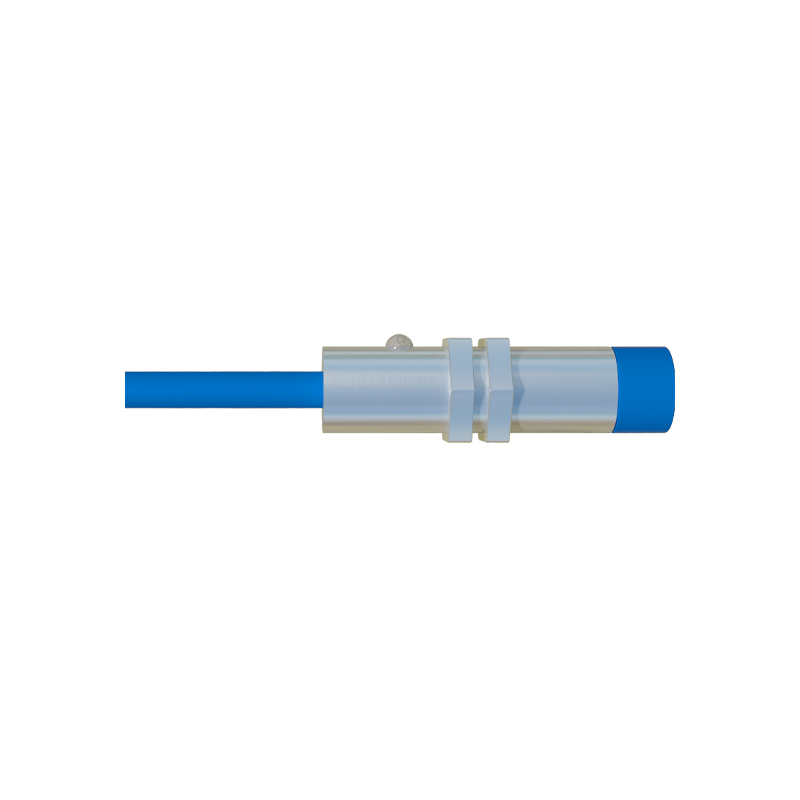
In conclusion, proximity sensor switches are no longer confined to factory floors. They represent a robust, efficient, and innovative component for home automation. By understanding their types and principles, any electrical enthusiast can safely implement these devices to add convenience, improve hygiene, and enhance energy efficiency around the house. The journey from a simple automatic closet light to a fully integrated smart home sensing network starts with a single, non-contact switch.