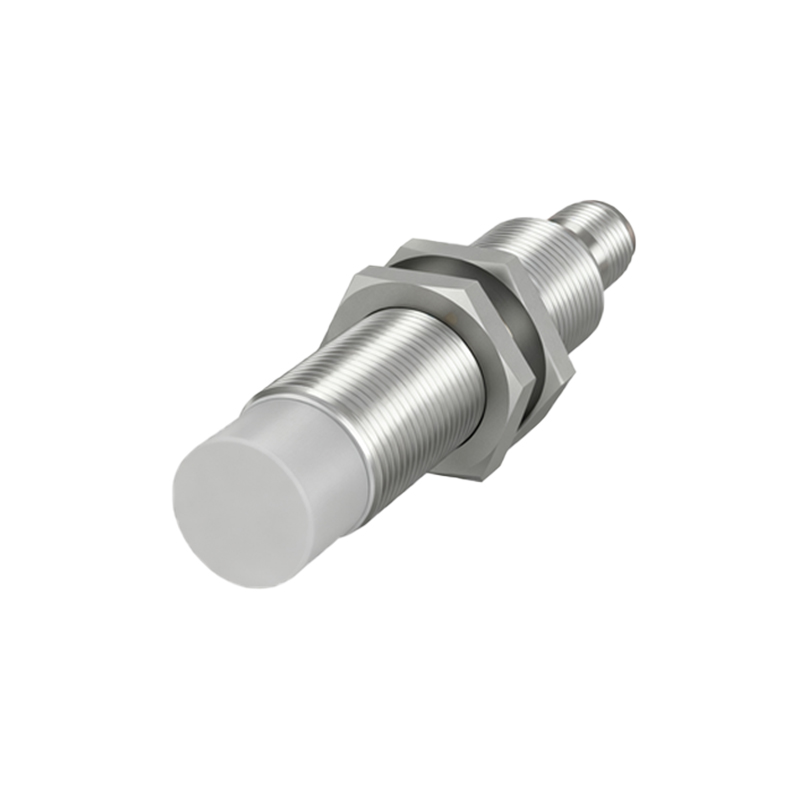
Variable reluctance (VR) proximity sensors are widely recognized in the industrial automation and electrical engineering sectors for their robust performance and reliability. These sensors operate on the principle of magnetic reluctance change, detecting the presence or absence of ferromagnetic objects without physical contact. As a seasoned electrical engineer with extensive field experience, I have observed that VR sensors offer distinct benefits that make them indispensable in demanding environments. This article delves into the key advantages of variable reluctance proximity sensors, highlighting why they remain a preferred choice for many engineering applications.
One of the primary advantages of VR proximity sensors is their exceptional durability and resilience. Unlike optical or capacitive sensors, VR sensors are inherently immune to environmental contaminants such as dust, oil, moisture, and dirt. This characteristic stems from their non-contact sensing mechanism, which relies on magnetic fields rather than light or electrical capacitance. In harsh industrial settings—like manufacturing plants, automotive assembly lines, or mining operations—where conditions can be abrasive or corrosive, VR sensors maintain consistent performance. Their sealed housings, often made from stainless steel or rugged polymers, provide additional protection against mechanical shocks, vibrations, and extreme temperatures. This robustness translates to reduced downtime and lower maintenance costs, as the sensors rarely require cleaning or recalibration.
Another significant benefit is the high-speed response capability of variable reluctance sensors. They can detect objects moving at rapid velocities, making them ideal for applications involving rotating machinery, such as gear teeth monitoring, speed sensing in motors, or position detection in conveyor systems. The sensor generates an analog voltage signal proportional to the target's proximity and speed, allowing for precise measurements. For instance, in automotive engine timing or turbine monitoring, VR sensors deliver accurate real-time data without lag, ensuring optimal operational efficiency and safety. Their ability to function effectively across a wide frequency range further enhances their versatility in dynamic processes.
Energy efficiency and simplicity in design are also notable advantages. VR sensors are passive devices, meaning they do not require an external power source to generate a signal. Instead, they produce an output voltage through electromagnetic induction when a ferromagnetic target disrupts the magnetic field. This self-powered nature reduces overall system complexity and energy consumption, aligning with modern sustainability goals in industrial automation. Additionally, the straightforward construction—typically consisting of a coil wound around a permanent magnet or ferromagnetic core—minimizes the risk of component failure. Engineers appreciate this simplicity, as it facilitates easy integration into existing control systems, such as PLCs (Programmable Logic Controllers) or data acquisition units, without extensive modifications.
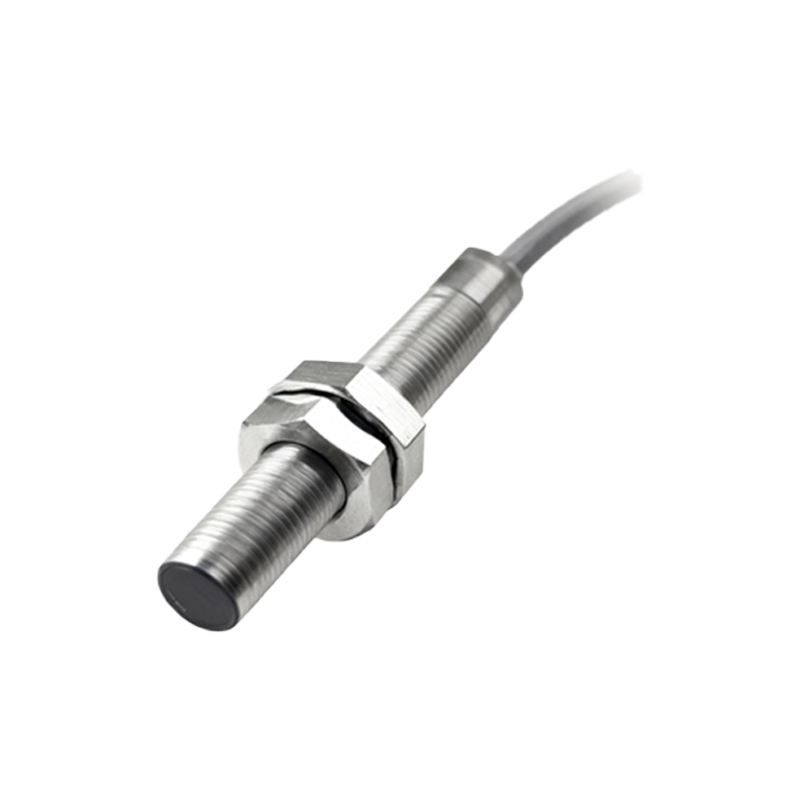
Cost-effectiveness over the long term is a compelling reason for adopting VR proximity sensors. While the initial investment might be comparable to other sensor types, their longevity and minimal upkeep lead to substantial savings. Since they have no moving parts and are less susceptible to wear, VR sensors often outlast their counterparts, providing reliable service for years. In industries where equipment lifespan is critical, such as aerospace or heavy machinery, this reliability justifies the upfront cost. Moreover, their compatibility with various ferromagnetic materials—including iron, steel, and nickel—ensures broad applicability without needing specialized targets, further reducing expenses related to customization.
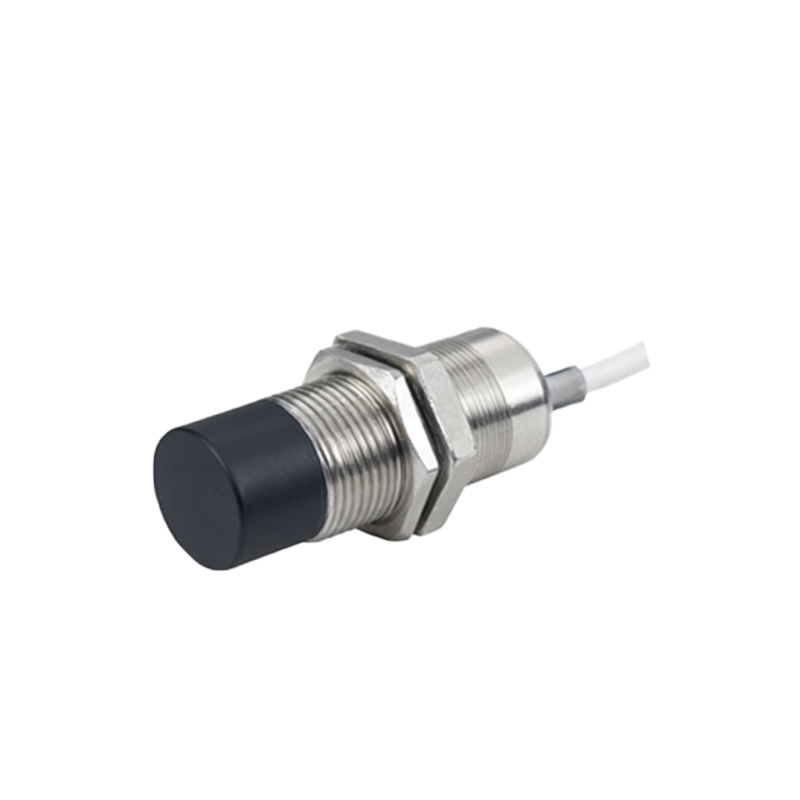
From a technical perspective, variable reluctance sensors offer excellent noise immunity. Electrical interference from nearby motors, transformers, or power lines can disrupt sensitive electronic devices, but VR sensors are less prone to such issues due to their analog signal generation and magnetic-based operation. This makes them suitable for high-electromagnetic-interference (EMI) environments, such as power generation facilities or industrial welding stations. Engineers can deploy them with confidence, knowing that signal integrity will be maintained, leading to more accurate diagnostics and control.
In summary, variable reluctance proximity sensors excel in durability, speed, energy efficiency, cost savings, and noise resistance. Their ability to thrive in tough conditions while delivering precise, contactless detection makes them a cornerstone of modern industrial systems. As technology advances, VR sensors continue to evolve with enhancements in materials and signal processing, yet their core advantages remain unchanged. For engineers seeking reliable solutions in automation, motion control, or safety applications, these sensors represent a proven and effective choice. By leveraging their strengths, industries can achieve higher productivity, reduced operational risks, and sustained performance in an increasingly automated world.