In the realm of modern electronics and automation, the ability to detect the presence or absence of an object without physical contact is a fundamental capability. Among the various non-contact sensing technologies, proximity capacitive sensors stand out for their versatility, reliability, and unique operating principles. Unlike their inductive counterparts that detect metals, capacitive sensors can sense a vast array of materials, including liquids, plastics, wood, and even human skin, making them indispensable across numerous industries.
At its core, a proximity capacitive sensor operates by generating an electrostatic field. The sensor typically consists of an electrode, which acts as one plate of a capacitor, with the target object acting as the other plate. The surrounding environment, often air, serves as the dielectric. When a target enters this electrostatic field, it alters the capacitance of the system. The sensor's internal oscillator circuit detects this minute change in capacitance. Once the change exceeds a predefined threshold, the sensor's output state switches, signaling the detection of an object. This principle allows for the detection of both conductive and non-conductive materials, as any substance with a dielectric constant different from air will disturb the field.
The design and performance of these sensors are influenced by several key factors. The sensing distance, or nominal range, is a critical specification and is typically defined for a standard target, such as a grounded metal plate. It's important to note that the effective sensing range can vary significantly with different materials. For instance, a sensor calibrated for metal may have a much shorter range for plastic or glass. The dielectric constant (εr) of the target material is the primary determinant here; materials with a higher εr, like water, are generally easier to detect at greater distances. Furthermore, environmental conditions such as humidity, temperature, and the presence of contaminants like dust or oil can affect performance, which is why many industrial sensors feature robust housings and environmental sealing.
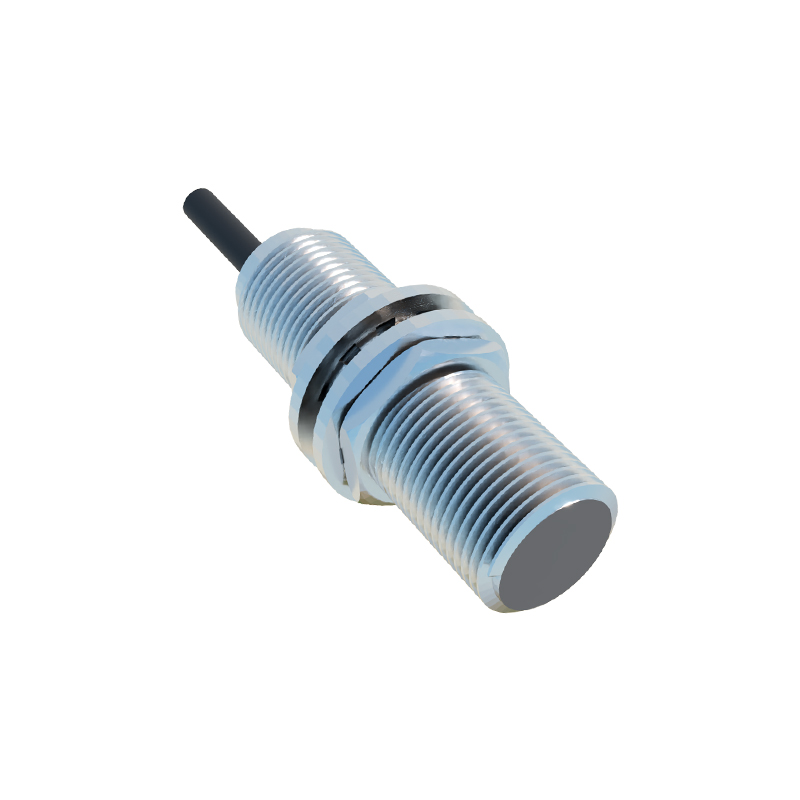
The applications for proximity capacitive sensors are remarkably diverse. In industrial automation, they are used for level detection in tanks containing liquids, powders, or granules. A sensor mounted on the outside of a non-metallic container can reliably detect when material reaches a certain height, eliminating the need for invasive probes. In consumer electronics, they form the basis of touch-sensitive buttons and sliders on devices from smartphones to kitchen appliances. The automotive industry employs them for seat occupancy detection, touch-controlled interior lighting, and fluid level monitoring. Another growing application is in human-machine interfaces (HMI), where they enable gesture recognition and proximity-aware features that conserve power by putting devices to sleep when no user is nearby.
Selecting the right capacitive sensor for an application requires careful consideration. First, identify the target material and its properties. Will you be detecting water, plastic pellets, a human hand, or a glass bottle? This dictates the required sensitivity. Next, consider the required sensing distance and whether the sensor needs to be flush-mounted or non-flush. Flush-mounted sensors can be installed without a clearance zone around them but offer shorter ranges. Non-flush sensors provide longer ranges but require space around the sensing face. The output type is another crucial decision; common options include NPN, PNP (digital switching), or analog outputs (0-10V, 4-20mA) for providing continuous distance information. Finally, the housing material and ingress protection (IP) rating must be suitable for the operating environment, whether it's a clean, dry cabinet or a washdown area in a food processing plant.
Installation and setup also impact performance. Mounting the sensor securely and ensuring a stable environment minimizes false triggers. Most sensors feature a potentiometer or teach-in button for adjusting sensitivity. The goal is to set the threshold high enough to ignore background interference (like a container wall) but low enough to reliably detect the intended target. For challenging applications, such as detecting very small objects or operating in environments with high electromagnetic interference (EMI), specialized sensors with advanced shielding and signal processing are available.
Looking ahead, advancements in integrated circuit technology are making capacitive sensors smaller, more energy-efficient, and smarter. Modern sensors incorporate microcontrollers that can perform complex signal analysis, compensating for environmental drift and enabling more sophisticated multi-channel sensing arrays. This evolution continues to open new frontiers in robotics, IoT devices, and smart infrastructure, solidifying the role of the proximity capacitive sensor as a silent, yet powerful, enabler of technological innovation. Their unique blend of material-agnostic detection, non-contact operation, and robust design ensures they will remain a cornerstone of sensing solutions for years to come.