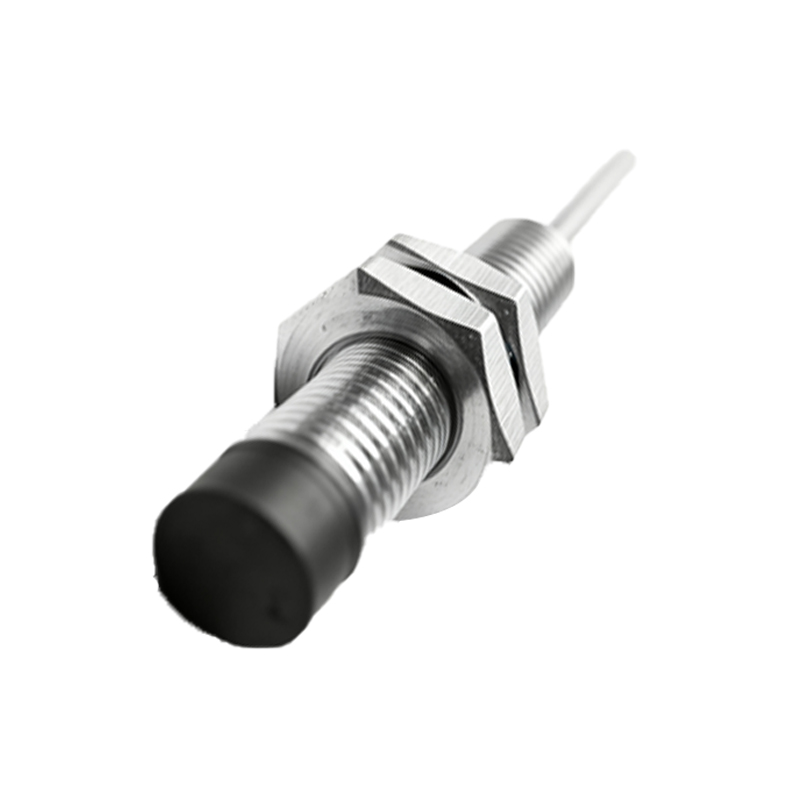
In the world of automation and robotics, the ability of a machine to navigate its environment autonomously is paramount. One of the foundational technologies enabling this capability is the line following proximity sensor. This guide delves into the core principles, types, and real-world applications of these critical components, explaining how they function as the "eyes" for automated guided vehicles (AGVs), mobile robots, and smart factory systems.
At its essence, a line following proximity sensor is a device designed to detect the presence of, and distance to, a predefined path or line—typically on the floor. Unlike simple contact switches, these sensors operate without physical touch. They emit a signal, often infrared (IR) light, and measure the reflection to determine the line's position relative to the sensor. The most common setup involves a contrasting line, usually dark against a light surface or vice versa. The sensor array, consisting of multiple IR transmitter-receiver pairs, scans the surface. When over a high-reflectivity area (the floor), most light is reflected back. When over the low-reflectivity line, light absorption increases, and the reflected signal weakens. The onboard electronics process this differential signal to pinpoint the line's edge and calculate any deviation from the center.
Several key technologies dominate this field. Infrared (IR) reflective sensors are the most prevalent due to their low cost and reliability. They work well in controlled indoor lighting but can be susceptible to ambient IR interference from sunlight or other sources. For more demanding environments, laser-based line sensors offer superior precision and longer detection ranges. They project a focused beam, providing excellent accuracy for complex paths but at a higher cost. Recently, vision-based systems using small cameras and machine learning algorithms have emerged. These systems offer immense flexibility, as they can recognize color-coded lines, shapes, and even dynamic paths, though they require more processing power.
The performance of a line following sensor is defined by several parameters. Detection range specifies the maximum height at which it can reliably sense the line. Resolution, often determined by the number of sensing elements in the array, affects how finely the robot can track deviations. Response time is critical for high-speed applications, ensuring the control system receives data fast enough to make corrective steering adjustments. Environmental robustness is another vital factor; sensors must be shielded from dust, moisture, and electromagnetic noise commonly found in industrial settings.
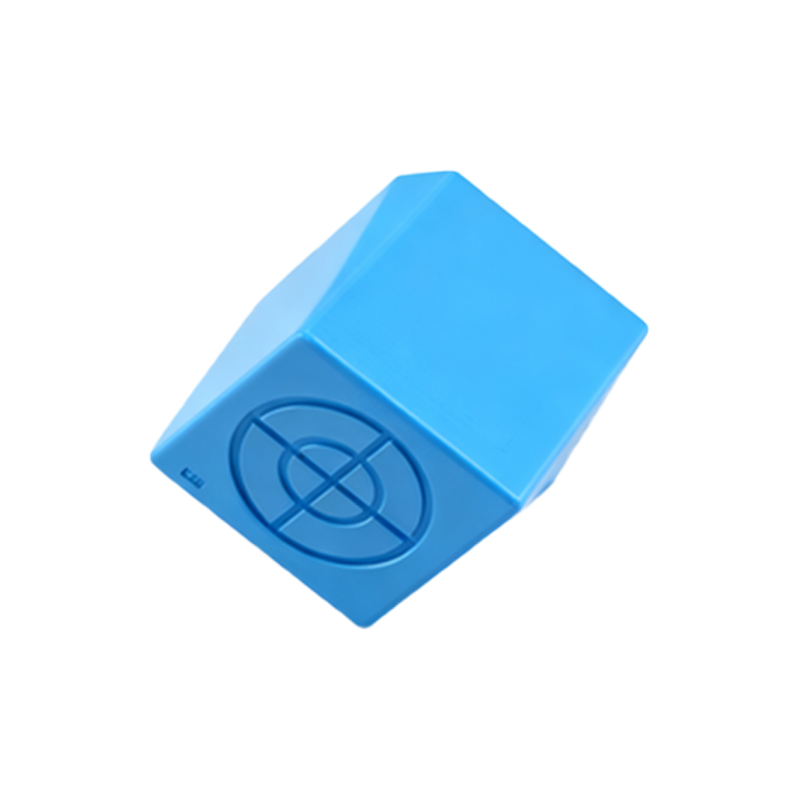
The applications for these sensors are vast and growing. In manufacturing and logistics, they are the backbone of AGVs that transport materials between workstations and warehouses, following magnetic tape or painted lines with unwavering consistency. This reduces manual handling and streamlines workflow. In the consumer domain, autonomous floor cleaning robots, like robotic vacuums, use these sensors to navigate room perimeters and avoid falls. Educational robotics kits heavily feature line-following tasks to teach students core concepts in programming, feedback control, and sensor integration. Furthermore, they are finding new roles in automated inventory management systems, where robots follow precise paths to scan shelves, and even in agricultural robots for tasks like guided weeding or harvesting along crop rows.
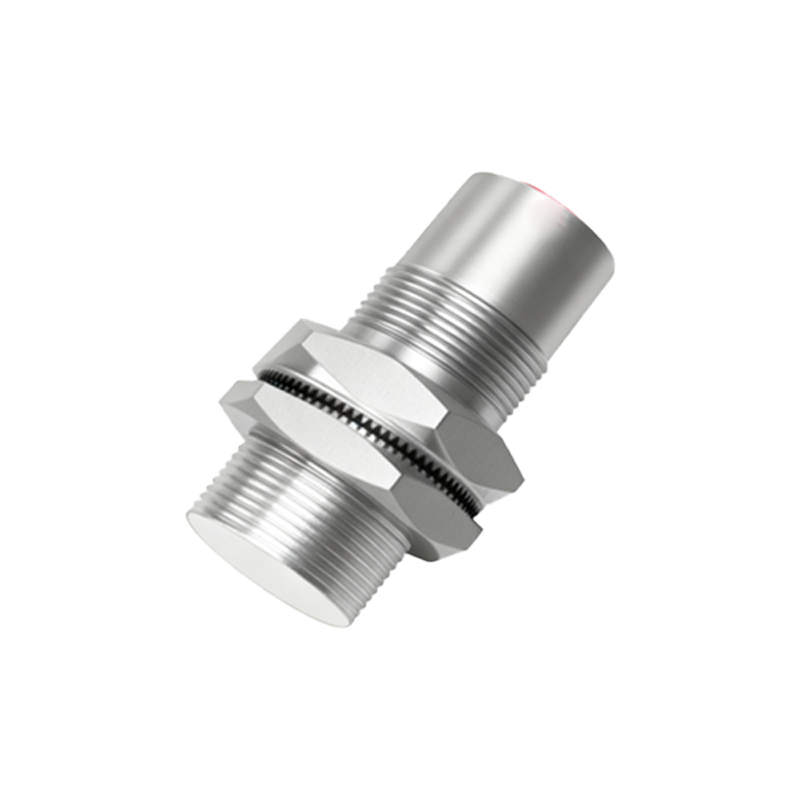
Selecting the right sensor requires careful consideration of the operating environment. For a simple, indoor educational robot, a basic IR sensor array is perfectly adequate. For a factory floor with variable lighting and potential chemical exposure, a ruggedized, laser-based sensor with protective housing would be necessary. Integration involves not just mechanical mounting but also calibrating the sensor's sensitivity to the specific floor and line colors and tuning the robot's proportional-integral-derivative (PID) control algorithm to ensure smooth, oscillation-free tracking.
Looking ahead, the evolution of line following proximity sensors is intertwined with broader trends in Industry 4.0 and the Internet of Things (IoT). Future sensors will likely feature enhanced connectivity, reporting diagnostic data and performance metrics to central monitoring systems for predictive maintenance. Sensor fusion, combining line-following data with inputs from LiDAR, ultrasonic sensors, and inertial measurement units (IMUs), will enable even more robust and flexible navigation in unstructured environments. While fully vision-based navigation advances, the simplicity, reliability, and cost-effectiveness of dedicated line following proximity sensors ensure they will remain an indispensable tool in the automation engineer's toolkit for years to come.