Proximity sensors are indispensable components in modern industrial automation, offering non-contact detection of objects with high precision and reliability. These sensors operate based on various principles, including inductive, capacitive, ultrasonic, and magnetic technologies, each tailored to specific applications. The control characteristics of proximity sensors define their performance in automated systems, influencing efficiency, safety, and operational flexibility.
One key control characteristic is the sensing range, which determines the maximum distance at which a sensor can detect an object. Inductive sensors, for instance, are ideal for metal detection within short ranges, typically up to 60 mm, while capacitive sensors can handle non-metallic materials over slightly longer distances. Ultrasonic sensors extend this range further, making them suitable for level monitoring or obstacle detection in robotics. The selection of an appropriate sensing range ensures minimal interference and optimal positioning in machinery.
Response time is another critical feature, referring to the speed at which a sensor reacts to an object's presence. High-speed proximity sensors, with response times as low as 0.1 ms, are essential in fast-paced production lines, such as packaging or assembly systems, where delays can cause bottlenecks. This rapid response enhances cycle times and throughput, contributing to overall productivity. Additionally, hysteresis—a built-in delay to prevent output oscillation—helps stabilize sensor performance in dynamic environments, reducing false triggers.
Output types play a significant role in control integration. Proximity sensors commonly provide digital outputs (e.g., PNP or NPN transistors) or analog signals (e.g., 4-20 mA or 0-10 V). Digital outputs are straightforward for on/off control, such as activating a conveyor belt when an object is detected. Analog outputs, however, enable proportional control, allowing for distance measurement or speed adjustment in applications like material handling. The choice depends on the system's complexity and feedback requirements.
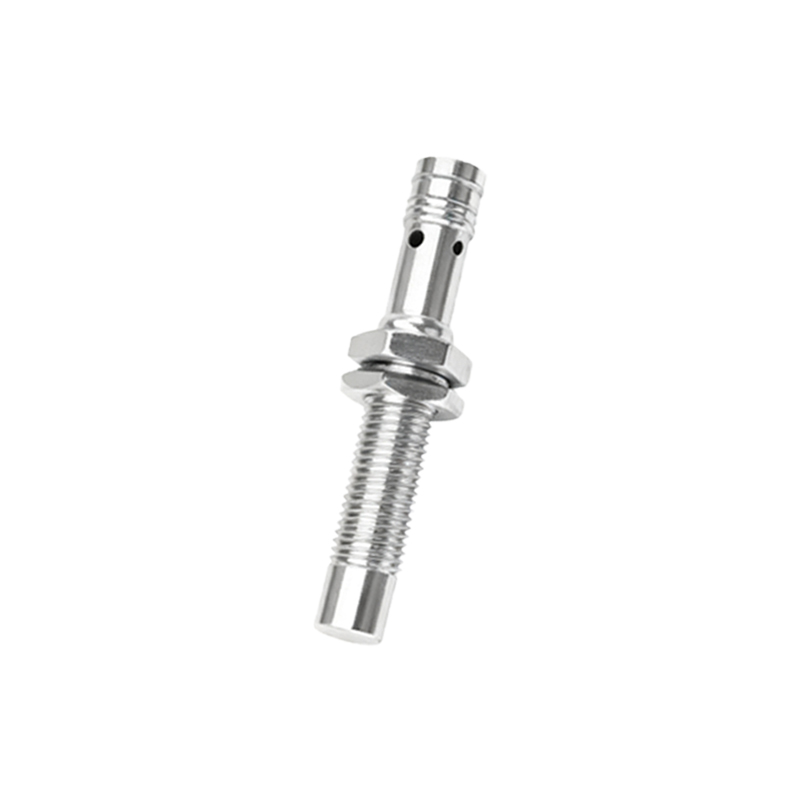
Environmental robustness is a defining control characteristic, as industrial settings often involve harsh conditions. Proximity sensors are designed with high ingress protection (IP) ratings, resisting dust, moisture, and chemical exposure. Temperature tolerance, typically ranging from -25°C to 70°C, ensures reliable operation in extreme climates. Electromagnetic compatibility (EMC) is also vital, preventing interference from nearby motors or power sources, which could disrupt signal accuracy.
In terms of installation and alignment, proximity sensors offer flexibility through adjustable mounting options. Self-contained designs simplify setup, while modular sensors allow for customization in complex layouts. Features like teach-in functions enable on-site calibration, adapting to varying object sizes or materials without manual reprogramming. This adaptability reduces downtime and maintenance costs.
Energy efficiency has become increasingly important in sustainable automation. Modern proximity sensors consume low power, often below 1 W, aligning with green initiatives and reducing operational expenses. Some models incorporate sleep modes or pulsed operation to further conserve energy in idle states.
Safety integration is paramount, with proximity sensors often used in interlock systems to prevent machine accidents. For example, they can halt equipment when a protective door is opened or detect human presence in restricted zones. Compliance with international standards, such as IEC 60947-5-2, ensures these sensors meet rigorous safety protocols.
In summary, the control characteristics of proximity sensors—including sensing range, response time, output types, environmental resilience, and safety features—make them versatile tools in automation. By understanding these aspects, engineers can select and deploy sensors that enhance system performance, reliability, and cost-effectiveness. As technology advances, smart sensors with IoT connectivity are emerging, offering predictive maintenance and data analytics, further expanding their role in Industry 4.0.