In the landscape of industrial automation and precision measurement, medium wave laser sensors have emerged as a pivotal technology. Operating typically within the infrared spectrum, often in the 3 to 8 micrometer range, these sensors utilize laser diodes to emit coherent light. The core principle involves the emission of a laser beam towards a target. The interaction of this beam with the target—whether through reflection, absorption, or scattering—is then detected and analyzed. Advanced models employ time-of-flight (ToF), triangulation, or phase-shift measurement techniques to calculate parameters such as distance, presence, thickness, or vibration with exceptional accuracy.
The advantages of medium wave laser sensors are manifold. Their longer wavelength, compared to visible light lasers, offers superior performance in challenging environmental conditions. They exhibit reduced sensitivity to ambient light interference, making them robust for use in brightly lit factories or outdoor settings. Furthermore, medium wave infrared (MWIR) radiation can penetrate certain atmospheric obscurants like dust, smoke, and light fog more effectively than shorter wavelengths, ensuring reliable operation in dirty industrial environments. This resilience translates to high precision, non-contact measurement, which is critical for preserving delicate materials and enabling high-speed inspection on production lines.
Applications span a diverse array of sectors. In manufacturing, they are indispensable for precise positioning in robotic assembly, controlling the gap in welding processes, and measuring the thickness of coatings or materials in real-time. The automotive industry leverages them for body-in-white gap and flush measurement, ensuring perfect panel alignment. In logistics and packaging, they facilitate accurate box dimensioning, palletizing guidance, and level detection in silos. Beyond traditional industry, they find use in security systems for perimeter monitoring, in agriculture for crop health assessment, and in scientific research for material analysis.
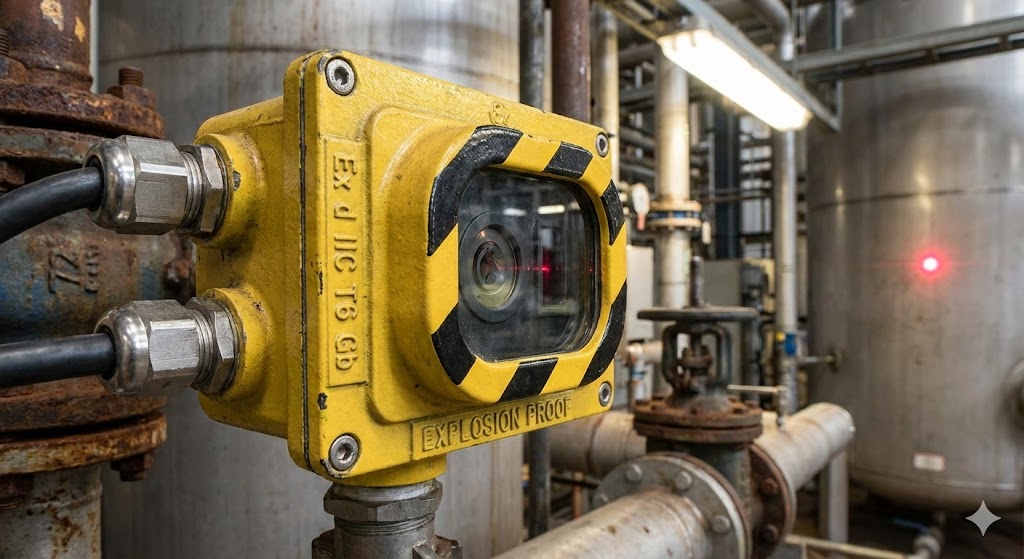
Recent technological advancements are pushing the boundaries of what these sensors can achieve. The integration of smarter onboard processors allows for edge computing, where data is pre-processed at the sensor level, reducing latency and network load. Enhanced communication protocols, such as IO-Link and integration with Industrial Internet of Things (IIoT) frameworks, enable predictive maintenance and seamless data flow into centralized control systems. Miniaturization of components has led to more compact sensor designs without sacrificing performance, allowing installation in space-constrained applications. Additionally, improvements in laser diode efficiency and cooling systems have extended operational lifespans and reduced power consumption.
Selecting the appropriate medium wave laser sensor requires careful consideration of several key parameters. The measuring range and standoff distance must match the application's physical constraints. Resolution and repeatability specifications determine the achievable precision. The response time or sampling rate is crucial for high-speed dynamic measurements. Environmental ratings, particularly Ingress Protection (IP) codes for dust and water resistance, and operating temperature ranges, are vital for ensuring durability in harsh conditions. Finally, the output interface (analog, digital, serial) must be compatible with the existing control architecture.
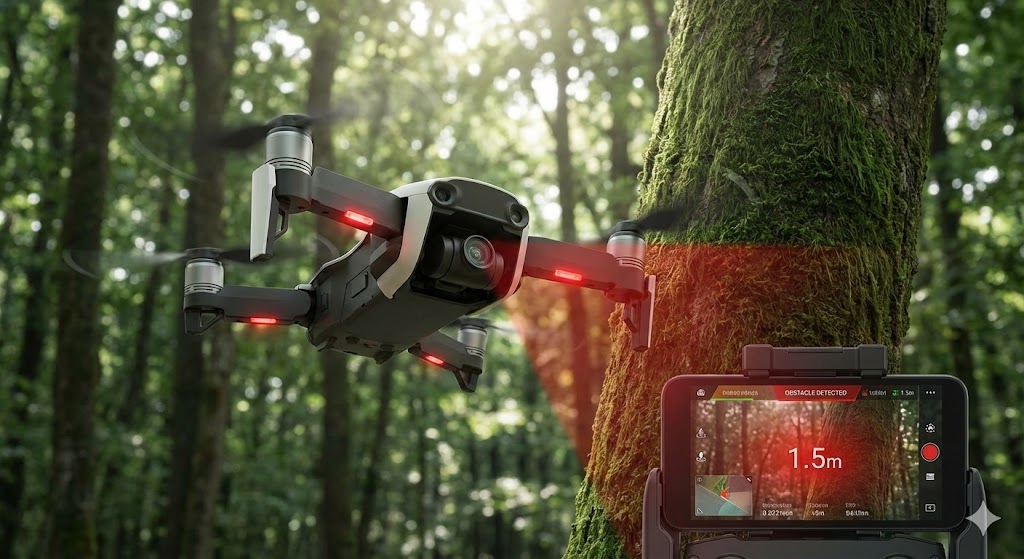
Looking forward, the convergence of medium wave laser sensing with artificial intelligence and machine vision presents a compelling trajectory. AI algorithms can interpret complex sensor data patterns to detect anomalies, classify objects, or optimize processes autonomously. Furthermore, the development of multi-spectral sensors that combine medium wave with other wavelengths could provide richer, more contextual information about targets. As industries continue to strive for greater efficiency, quality, and autonomy, the role of the robust and precise medium wave laser sensor will only become more central, driving innovation in smart factories and beyond.