In industrial automation systems, hydraulic cylinders serve as critical actuators for linear motion, providing high force output in demanding environments such as manufacturing, material handling, and heavy machinery. The precise control of these cylinders is paramount to ensure operational efficiency, safety, and repeatability. This is where proximity switch sensors play an indispensable role. These non-contact sensing devices offer a reliable method for detecting the position of a hydraulic cylinder's piston rod, enabling accurate control over its extension and retraction cycles.
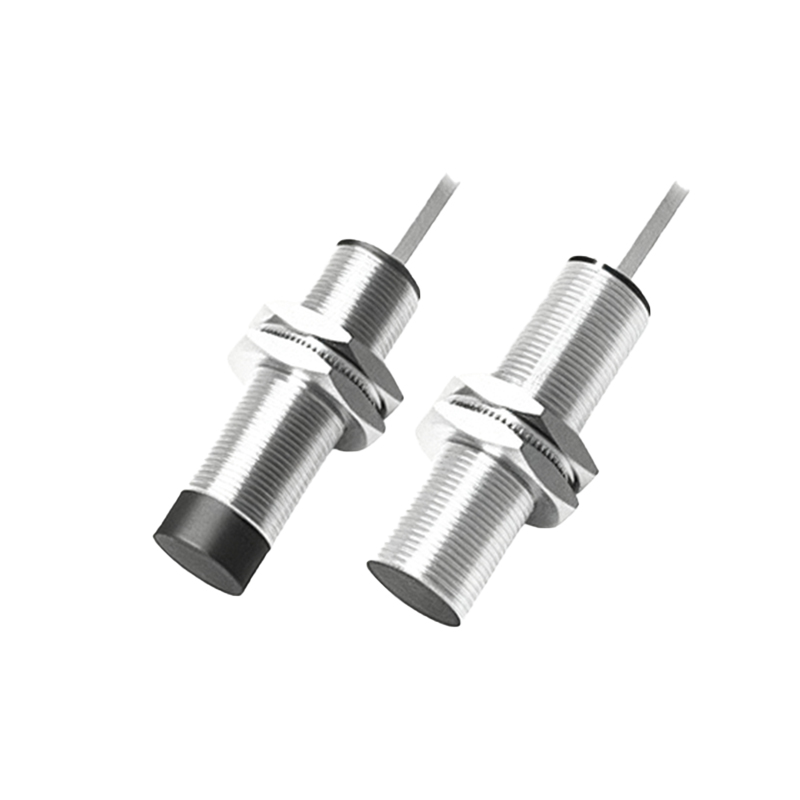
Proximity switches, often inductive or capacitive in nature, detect the presence of a metallic target—typically the piston rod or a mounted flag—without physical contact. This non-contact operation eliminates mechanical wear, reduces maintenance needs, and enhances longevity compared to traditional limit switches. When integrated into a hydraulic cylinder control circuit, these sensors provide real-time feedback to the system's programmable logic controller (PLC) or other control units. As the cylinder moves, the proximity sensor triggers at predetermined points, signaling the control system to initiate the next sequence, such as reversing direction, stopping, or activating associated machinery.
The selection of an appropriate proximity sensor depends on several factors. Inductive sensors are commonly used for detecting ferrous metals in hydraulic applications due to their robustness and immunity to environmental contaminants like oil, coolant, or dust. Key specifications include sensing distance, switching frequency, output type (e.g., PNP/NPN), and environmental ratings (IP67 or higher for harsh conditions). Proper mounting is crucial; sensors must be aligned correctly with the target to ensure consistent detection. Shielding considerations also apply to prevent electromagnetic interference in electrically noisy industrial settings.
Implementing proximity switch control enhances system performance in multiple ways. It allows for precise endpoint positioning, preventing over-travel that could damage the cylinder or machinery. This precision contributes to energy efficiency by optimizing hydraulic fluid usage and reducing cycle times. In safety-critical applications, sensors can provide redundant confirmation of cylinder position, interlocking with emergency stop circuits. Furthermore, the diagnostic capabilities of modern sensors aid in predictive maintenance, alerting operators to issues like misalignment or target wear before they lead to downtime.
A typical control setup involves wiring the sensor's output to a PLC input module. The PLC logic then processes this signal to control the hydraulic directional valve, often a solenoid-operated valve. For instance, when the cylinder extends and the sensor detects the rod at the full extension point, it sends a signal to the PLC, which de-energizes the extension solenoid and energizes the retraction solenoid, reversing the flow. Advanced systems may use multiple sensors for mid-stroke positions, enabling complex sequencing or speed control through proportional valves.
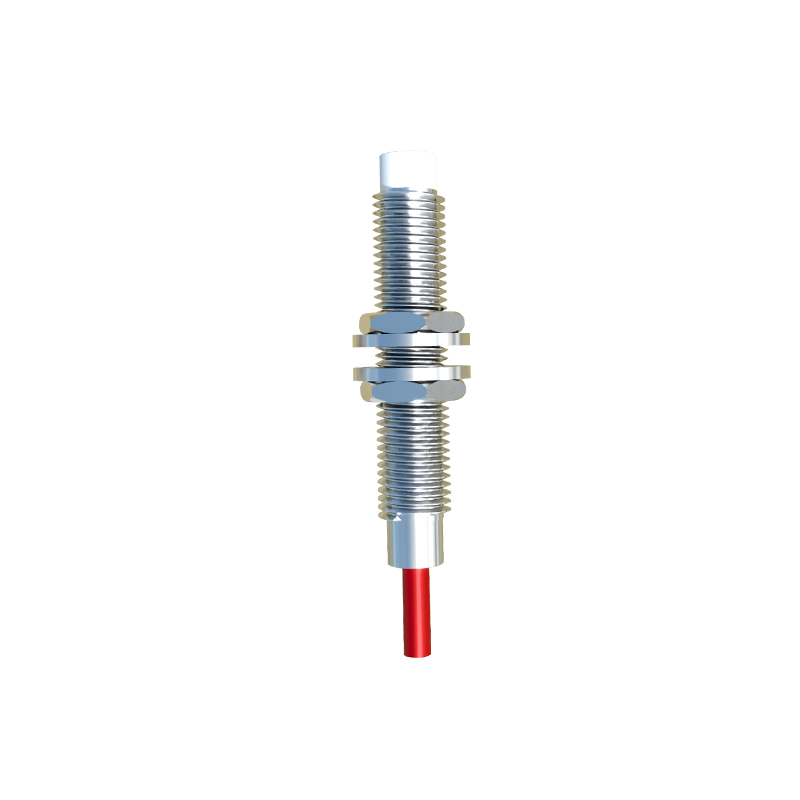
Challenges in application include dealing with hydraulic fluid leakage, vibration, and temperature fluctuations. Selecting sensors with appropriate housing materials (e.g., stainless steel) and thermal ratings mitigates these issues. Regular calibration and testing are recommended to maintain accuracy, especially in high-cycle applications.
In summary, the integration of proximity switch sensors with hydraulic cylinders represents a cornerstone of modern industrial automation. It transforms simple linear actuators into intelligent, responsive components of a larger automated system. By providing accurate, wear-free position feedback, these sensors enable precise control, improve safety, and boost overall productivity. As industries move toward greater connectivity and Industry 4.0 standards, the role of such sensing technology will only expand, with smart sensors offering integrated diagnostics and communication protocols for seamless data exchange. Engineers must continue to prioritize proper sensor selection, installation, and integration to harness the full potential of hydraulic cylinder automation.