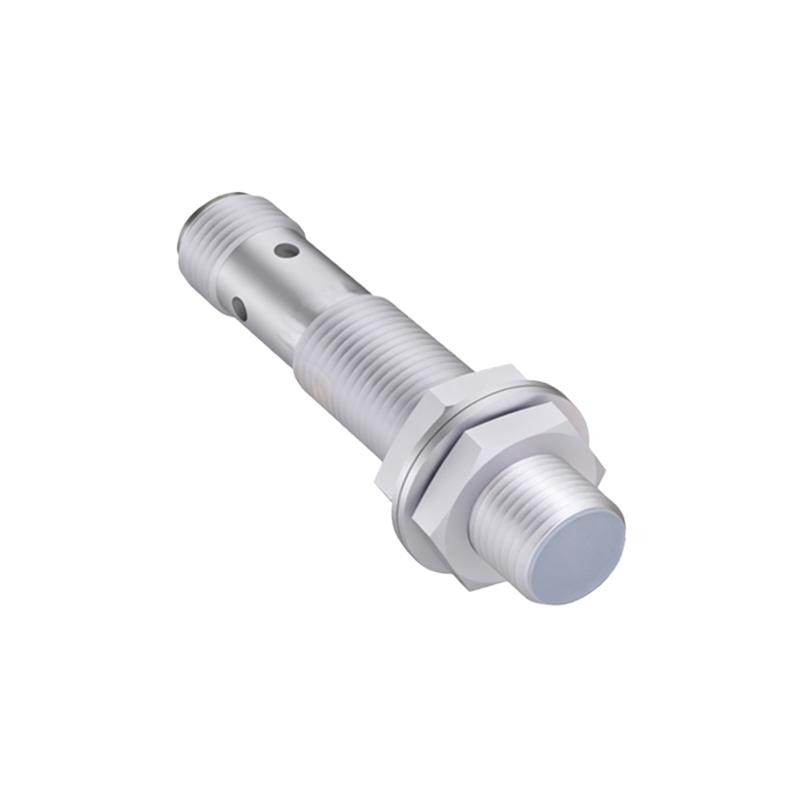
Proximity sensors, the silent sentinels of modern automation, are fundamental components across countless industries worldwide. Their core function is to detect the presence or absence of an object within a specified range without physical contact. While the end goal is universal, the underlying principles vary significantly, leading to a diverse technological landscape shaped by regional expertise, industrial demands, and innovation hubs. This article explores the primary working principles of proximity sensors from a global engineering standpoint, highlighting the technologies that define their application.
The most prevalent and industrially robust type is the Inductive Proximity Sensor. Pioneered and heavily refined by German and Japanese manufacturers known for precision engineering, these sensors generate an oscillating electromagnetic field. When a metallic object (the target) enters this field, it induces eddy currents within the target, causing a measurable change in the sensor's own oscillation amplitude. This change triggers the sensor's output switch. Renowned for their durability, high switching frequency, and immunity to environmental factors like dust or oil, they are the workhorses in global manufacturing—controlling machine tools, robotic arms, and conveyor systems. Their limitation is inherent: they only detect metals, with detection range and sensitivity varying based on the metal's conductivity and permeability (e.g., steel is detected at a greater distance than aluminum).
For non-metallic object detection, including liquids, plastics, wood, and glass, Capacitive Proximity Sensors are the solution. This technology is widely employed in packaging, food and beverage, and chemical processing industries across North America and Europe. These sensors function similarly to a capacitor. The sensor's active face and the target act as two plates, with the intervening air as the dielectric. As a target approaches, it alters the dielectric constant, changing the capacitance of the circuit. Once this change reaches a preset threshold, the output state switches. They can detect virtually any material but are more susceptible to environmental influences like humidity or temperature fluctuations, requiring careful calibration.
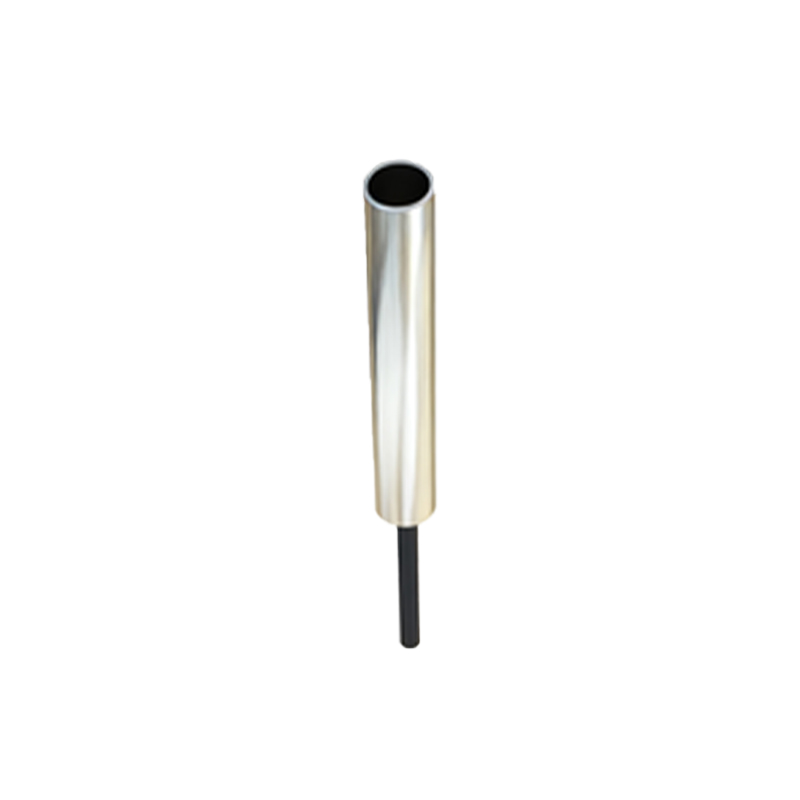
In applications requiring long-range detection or sensing of all materials regardless of color or surface texture, Ultrasonic Proximity Sensors dominate. Leveraging sound waves beyond human hearing, these sensors emit ultrasonic pulses and measure the time taken for the echo to return. The time-of-flight principle allows for precise distance measurement, not just presence detection. This technology is crucial in the automotive sector for parking assistance, in material handling for palletizing and level detection in silos, and in Asia's booming logistics automation sector. Their performance can be affected by temperature (which changes the speed of sound) and by soft, sound-absorbing materials.
Optical Proximity Sensors, including through-beam, retro-reflective, and diffuse-reflective models, use light beams (usually infrared or laser). A through-beam sensor, with separate emitter and receiver units, offers the longest range and highest reliability, commonly found in high-security safety curtains and precision assembly lines. Diffuse-reflective types, where the emitter and receiver are in the same housing, detect objects that reflect light back to the receiver. Japanese and Korean electronics manufacturers excel in miniaturizing these sensors for consumer electronics (e.g., smartphone screen blanking) and intricate assembly robots. Their Achilles' heel is sensitivity to environmental contaminants like dust, fog, or ambient light interference, though modern models incorporate modulated light signals to mitigate this.
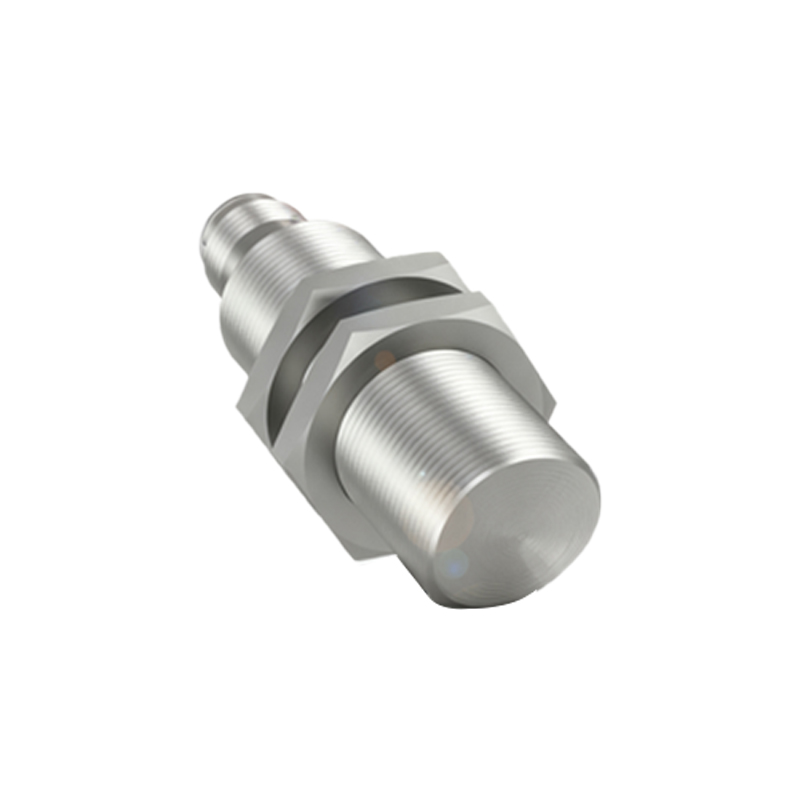
A more specialized but critical technology is the Magnetic Proximity Sensor, often using a Reed Switch or Hall-effect element. These detect the presence of a permanent magnet. They are extremely reliable, low-power, and immune to harsh conditions like water, dirt, or extreme temperatures. Their quintessential application is in cylinder position sensing in pneumatic and hydraulic systems, a staple in heavy machinery and automotive manufacturing worldwide. Hall-effect sensors, which output a voltage proportional to magnetic field strength, are indispensable in rotational speed sensing (e.g., crankshaft or wheel speed sensors) in the global automotive industry.
The choice of sensor technology is a global engineering decision matrix based on key parameters: target material, required sensing distance, environmental conditions (IP rating, temperature), switching frequency, and output type (PNP/NPN, analog, IO-Link). The trend, led by European and North American industrial IoT initiatives, is towards "smart" sensors with embedded diagnostics and digital communication protocols like IO-Link. These sensors not only provide a switch signal but also transmit health data, parameter settings, and process values, enabling predictive maintenance and deeper integration into Industry 4.0 frameworks.
From the factory floors of Germany and Japan to the automated ports of Singapore and the automotive plants of the United States, proximity sensors form the foundational layer of perceptual data. Understanding their distinct working principles—inductive, capacitive, ultrasonic, optical, and magnetic—empowers engineers across the globe to design more efficient, reliable, and intelligent automated systems, driving productivity and innovation in an interconnected industrial world.