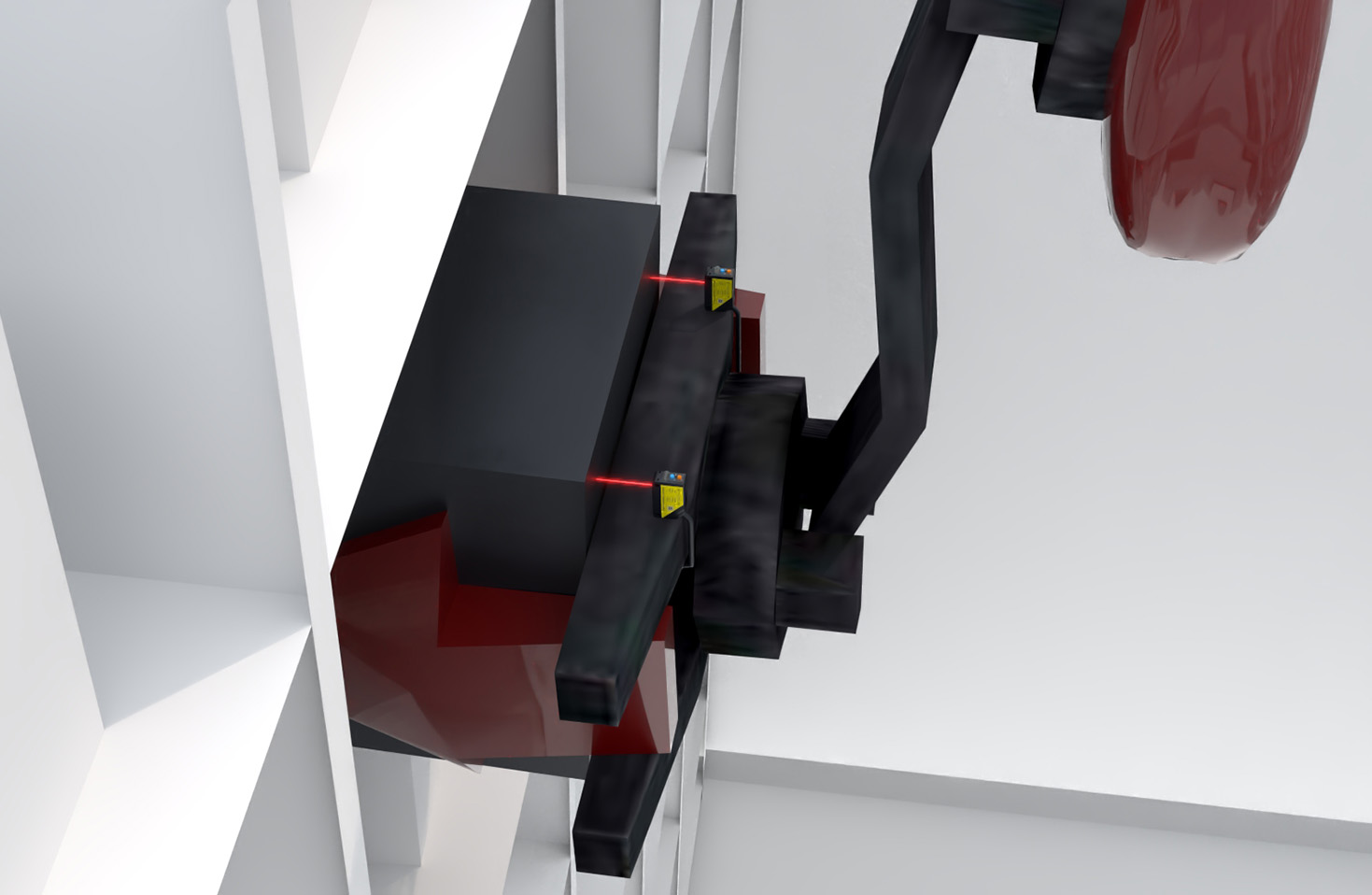
In the realm of industrial automation and precision control systems, the laser sensor firing pin represents a critical component for initiating high-speed, accurate processes. This mechanism, often integrated within advanced sensing assemblies, utilizes a focused laser beam to detect minute changes in position, presence, or distance, subsequently triggering a mechanical or electronic response—the "firing" action. The core principle hinges on the interaction between the laser emitter, the target object, and the receiver. When the laser beam is interrupted or reflected under specific conditions, the sensor's circuitry interprets this change, activating the firing pin mechanism. This pin can be a physical component in mechanical systems, such as in marking or engraving devices, or a metaphorical trigger in fully electronic systems, initiating a subsequent action like data logging, part rejection, or machine shutdown.
The design and application of laser sensor firing pins vary significantly across industries. In manufacturing, particularly in assembly lines, they are paramount for quality control. For instance, in automotive production, a laser sensor might scan a component's dimensions. If a variance beyond tolerance is detected, the firing pin mechanism activates to divert the faulty part from the conveyor. This ensures only components meeting strict specifications proceed, enhancing overall product reliability. Similarly, in packaging, laser sensors with rapid-response firing pins verify label placement or fill levels, triggering corrective actions in milliseconds to minimize waste.
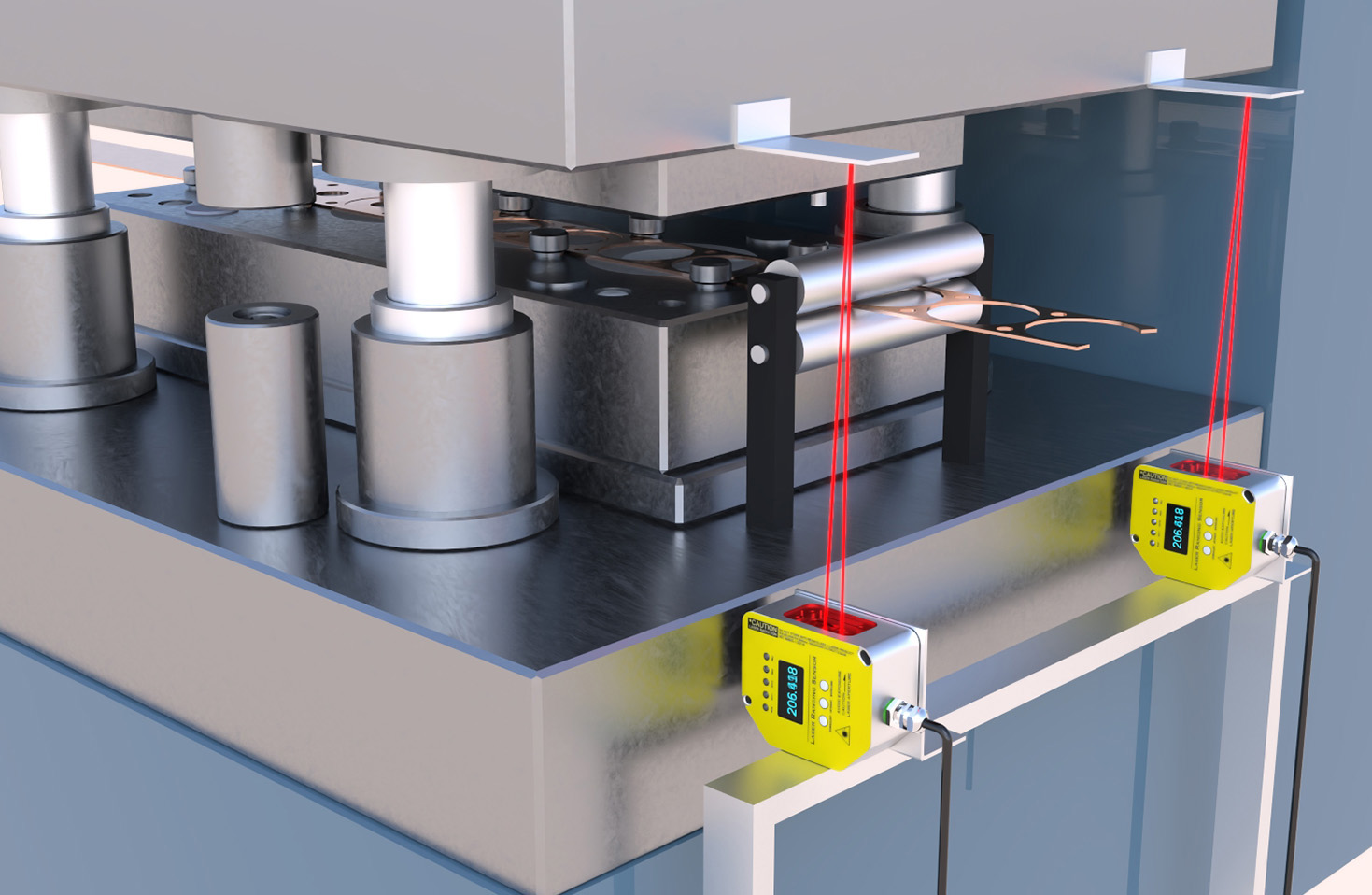
Another vital application is in safety systems. Light curtains, which are arrays of laser sensors, create an invisible protective barrier around hazardous machinery. If the beam is broken by a worker's intrusion, the firing pin function immediately sends a stop signal to the machine's drives, preventing accidents. The reliability and speed of this trigger are non-negotiable, as human safety depends on sub-second response times. Here, the "firing pin" is purely electronic, a software command that executes an emergency protocol.
The advantages of using laser-based systems with integrated firing triggers are numerous. They offer non-contact measurement, eliminating wear and tear associated with physical probes. Their precision is exceptional, capable of detecting sub-millimeter discrepancies. Speed is another hallmark; modern laser sensors can perform thousands of detections per second, with the firing response being almost instantaneous. This makes them ideal for high-throughput environments. Furthermore, they are resilient in challenging conditions—many are rated for operation in environments with dust, vibration, or variable temperatures, where mechanical switches would fail.
However, implementing these systems requires careful consideration. Alignment is crucial; even a slight misalignment of the laser beam can lead to false triggers or missed detections. Regular calibration is necessary to maintain accuracy. The choice of sensor type—diffuse, retro-reflective, or through-beam—depends on the specific application and required sensing range. Environmental factors like ambient light, particularly from other lasers or intense industrial lighting, can interfere with some sensors, necessitating the use of modulated laser light or specialized filters. The design of the firing pin's output stage—whether it provides a digital signal, analog voltage, or relay contact—must be compatible with the host control system, such as a PLC (Programmable Logic Controller).

Looking forward, the integration of laser sensor firing pins with Industry 4.0 technologies is a key trend. Smart sensors with integrated IO-Link or Ethernet connectivity can transmit not just a simple trigger signal but also diagnostic data. They can report parameters like signal strength, internal temperature, or lens contamination, enabling predictive maintenance. The "firing pin" event thus becomes part of a larger data stream, optimizing entire production processes. Innovations in laser diode technology also promise smaller, more energy-efficient sensors with even faster response times.
In conclusion, the laser sensor firing pin is a fundamental enabler of automation, blending optical precision with reliable actuation. Its role transcends simple switching, forming the critical link between sensory perception and mechanical action in countless industrial applications. From ensuring the flawless assembly of microelectronics to safeguarding personnel around heavy presses, its function, though often unseen, is indispensable for modern, efficient, and safe industrial operations. Engineers must select and configure these systems with a deep understanding of both the operating principles and the practical demands of the factory floor to harness their full potential.