In the rapidly evolving landscape of industrial automation, proximity sensors stand as critical components for enabling precise, non-contact detection of objects. These devices are fundamental to enhancing efficiency, safety, and reliability across manufacturing, packaging, robotics, and material handling systems. As industries increasingly adopt smart factory principles and Industry 4.0 technologies, the demand for high-performance, durable, and innovative proximity sensors has surged. Selecting the right brand is paramount, as it directly impacts system uptime, maintenance costs, and overall operational intelligence. Leading brands distinguish themselves through advanced sensing technologies, robust construction suitable for harsh environments, and seamless integration capabilities with modern industrial networks.
Among the foremost names in the premium segment, Sick AG consistently sets benchmarks with its comprehensive portfolio of inductive, capacitive, and magnetic proximity sensors. Sick sensors are renowned for their exceptional accuracy, long service life, and advanced diagnostic features, such as IO-Link connectivity, which facilitates predictive maintenance and data-rich process optimization. Their designs often incorporate high-grade stainless steel housings and enhanced resistance to electromagnetic interference, making them ideal for demanding applications in automotive assembly and heavy machinery.
Similarly, Pepperl+Fuchs commands immense respect for its engineering excellence and application-specific solutions. The brand excels in developing sensors with extreme switching frequencies and minute sensing distances, crucial for high-speed automation tasks. Pepperl+Fuchs is also a pioneer in developing intrinsically safe sensors for hazardous areas, adhering to stringent international certifications like ATEX and IECEx. Their focus on modularity and customizability allows engineers to tailor sensors to unique operational challenges, reducing integration complexity.
Omron Corporation is another titan, blending reliability with cutting-edge innovation. Omron's proximity sensors often feature all-metal housings, superior noise immunity, and energy-efficient designs. A key strength lies in their miniaturized sensors, which provide high performance in space-constrained installations without compromising detection stability. Omron supports extensive smart factory ecosystems, with sensors that easily communicate data to PLCs and SCADA systems, enabling real-time monitoring and control.
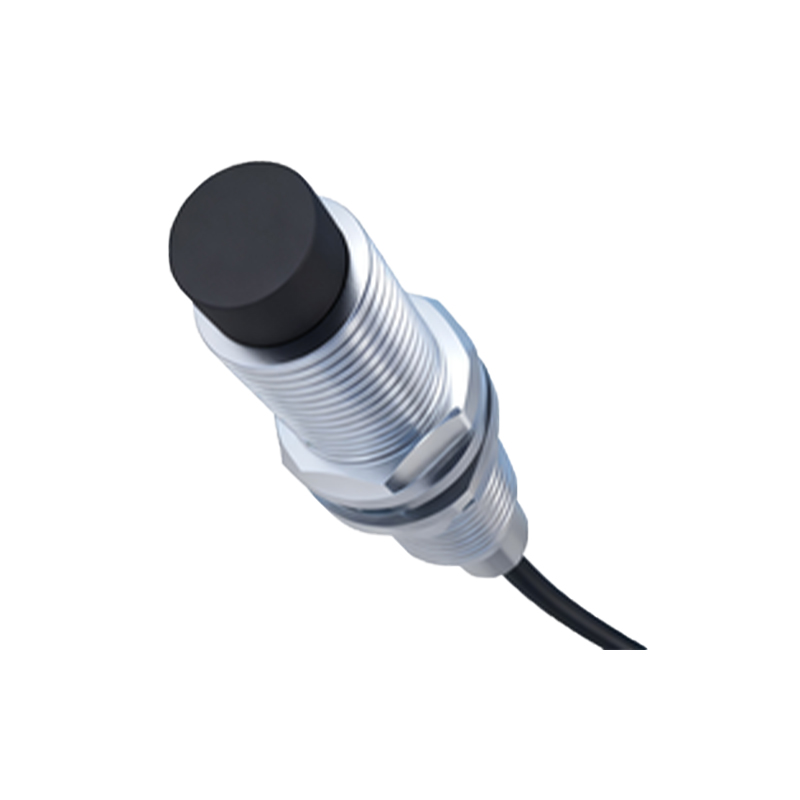
Balluff GmbH stands out for its precision and versatility, particularly in factory automation and logistics. Balluff sensors are celebrated for their high repeat accuracy and robust mechanical design, capable of withstanding intense vibration, shock, and temperature fluctuations. The brand heavily invests in IO-Link technology, turning standard sensors into intelligent data points that offer insights into condition monitoring, such as temperature readings and switch cycle counts, thus empowering proactive maintenance strategies.
Rockwell Automation (Allen-Bradley) offers a robust range of proximity sensors deeply integrated within its broader control and information solutions. These sensors are engineered for seamless interoperability with Rockwell's PLCs and communication networks, simplifying architecture and reducing commissioning time. They emphasize durability, with models featuring corrosion-resistant coatings and extended range capabilities, suitable for challenging environments like food and beverage processing or outdoor applications.
Emerging trends are further shaping the offerings of these elite brands. The integration of IIoT (Industrial Internet of Things) capabilities is becoming standard, with sensors providing not just a switch signal but rich diagnostic and process data. Enhanced materials, such as PBT thermoplastics and specialized seals, improve resistance to chemicals, coolants, and washdowns. Furthermore, the development of multi-functional sensors that combine proximity sensing with measuring or identification tasks is gaining traction, driven by the need for component reduction and system simplification.
When specifying a proximity sensor for a critical application, engineers must evaluate several factors beyond basic specifications. Environmental resilience—encompassing IP ratings, temperature ranges, and resistance to specific contaminants—is crucial. Electrical characteristics, including supply voltage compatibility, output types (PNP/NPN, analog, IO-Link), and short-circuit protection, directly affect system compatibility. Mounting flexibility and form factor also play significant roles in installation efficiency. Ultimately, partnering with a top-tier brand ensures access to extensive technical support, global availability, and a proven track record of reliability, which collectively safeguard productivity and foster innovation in automated systems. Investing in premium proximity sensors is not merely a component purchase; it is a strategic decision to build a more resilient, data-driven, and efficient operational foundation for the future.