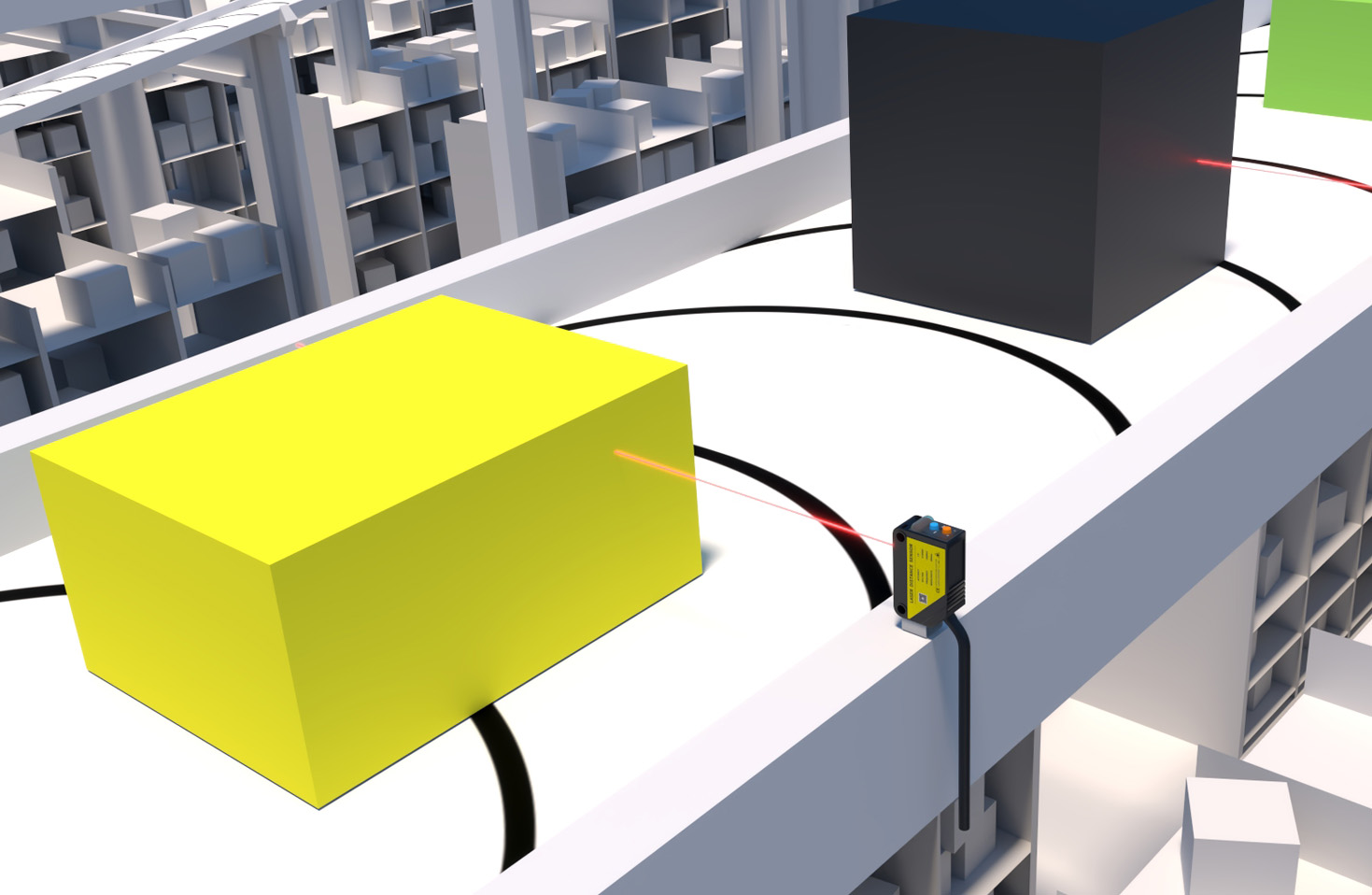
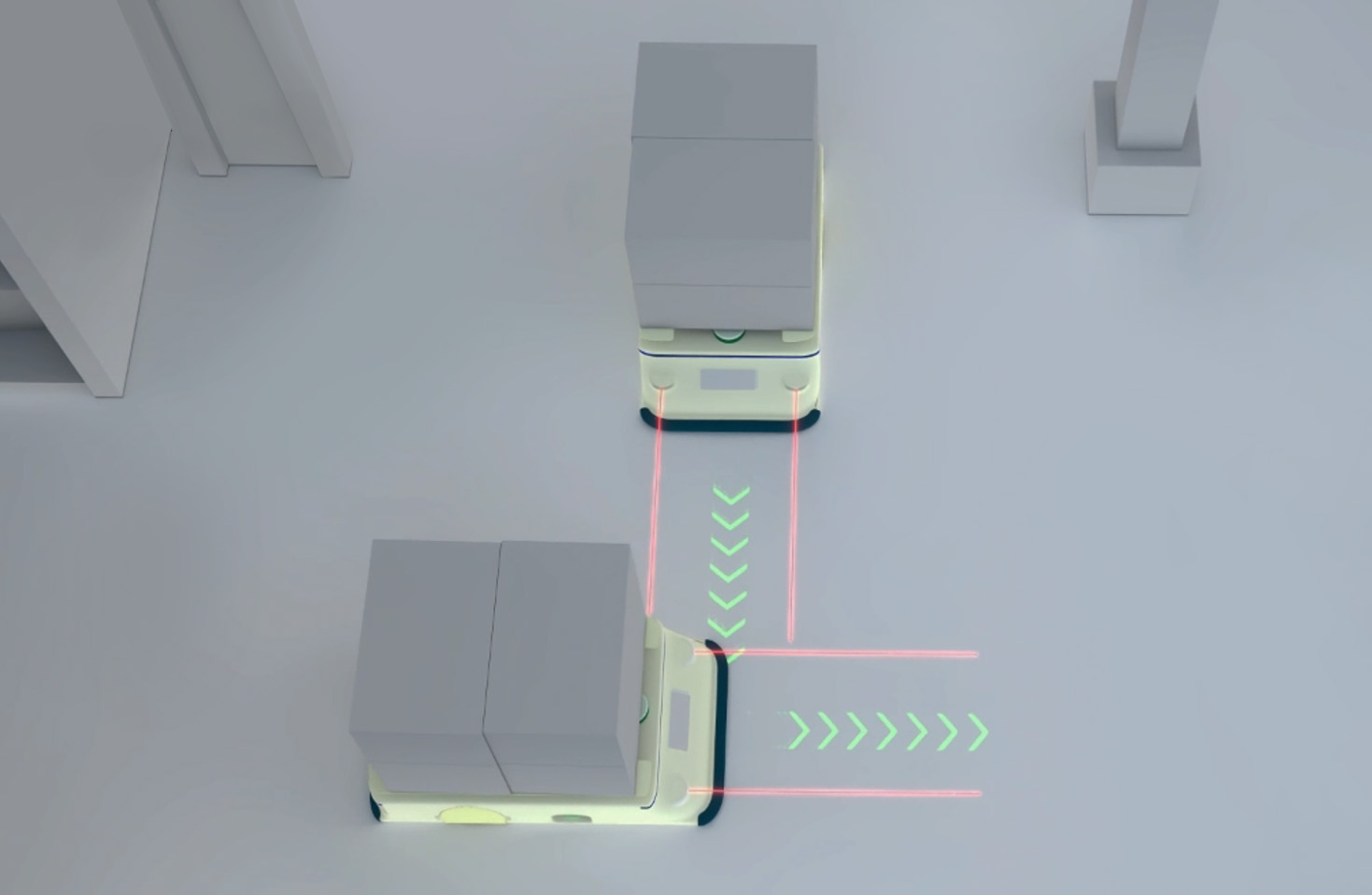
In the rapidly evolving landscape of industrial automation and robotics, the 16-line laser sensor stands as a pivotal technology for precise environmental perception and object detection. Unlike simpler single-line or lower-resolution sensors, a 16-line laser sensor projects a structured pattern of 16 laser lines onto a target surface or scene. By analyzing the deformation of these lines using triangulation principles or time-of-flight (ToF) calculations, the sensor generates a rich, high-density point cloud. This data provides detailed three-dimensional information about the shape, contour, distance, and even surface texture of objects within its field of view. The core components typically include a laser diode array or a scanning mechanism to emit the line pattern, a high-sensitivity CMOS or CCD receiver, and a powerful onboard processor for real-time data computation.
The advantages of deploying a 16-line laser sensor are manifold. Primarily, it offers a significant boost in data resolution and scene coverage compared to sensors with fewer lines. This allows for more accurate detection of complex geometries, reliable operation in environments with varying ambient light, and the ability to monitor larger areas or multiple objects simultaneously. In automotive applications, such as Advanced Driver-Assistance Systems (ADAS) and developing autonomous vehicles, these sensors are crucial for creating detailed 3D maps of the vehicle's surroundings, enabling functions like pedestrian detection, collision avoidance, and free-space mapping. In industrial settings, they are indispensable for robotic bin picking, where a robot must identify and grasp randomly oriented parts from a container. The dense point cloud allows the system to calculate precise grip points and trajectories. Other critical applications include volume measurement in logistics, quality inspection on assembly lines (checking for dents, warping, or correct assembly), and guidance for Automated Guided Vehicles (AGVs) in dynamic warehouse environments.
When selecting a 16-line laser sensor for a specific application, several technical parameters demand careful consideration. The measurement range defines the minimum and maximum distances at which the sensor can operate effectively. Angular resolution, both horizontally and vertically, determines the fineness of the point cloud and the smallest detectable feature. The scan rate or frame rate is vital for capturing fast-moving objects without motion blur. Environmental robustness is another key factor; the sensor should have an appropriate Ingress Protection (IP) rating for resistance to dust and moisture, and a wide operating temperature range to function reliably in harsh conditions. The choice between a triangulation-based sensor (offering high accuracy at shorter ranges) and a ToF-based sensor (better for longer ranges) is fundamental. Furthermore, integration ease is critical. Engineers must evaluate the output interface (common options include Ethernet/IP, PROFINET, EtherCAT, or simple TCP/IP), the availability of software development kits (SDKs), and the compatibility of the data format with existing processing and control systems.
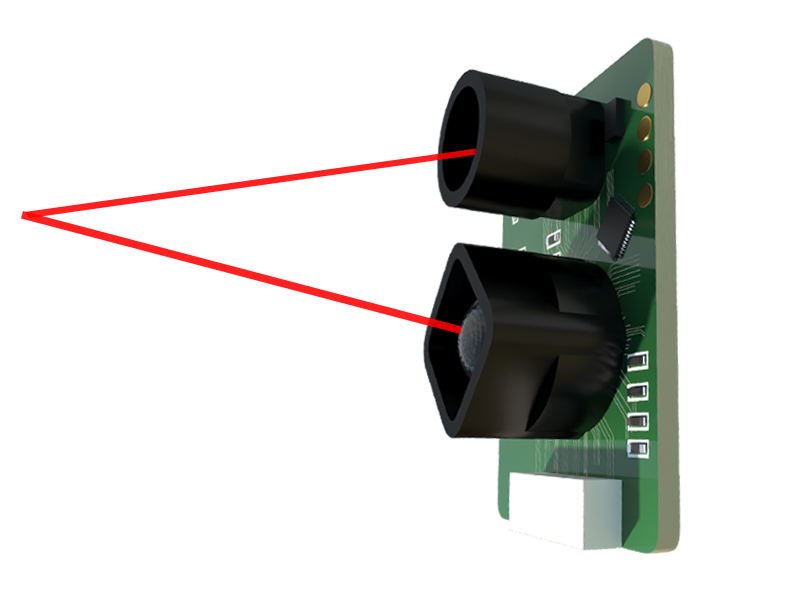
Despite their capabilities, 16-line laser sensors present certain challenges. They represent a higher initial investment compared to 2D or simpler 3D vision systems. The large volume of data generated requires substantial processing power, potentially necessitating an industrial PC or a powerful embedded controller. In environments with highly reflective surfaces (like polished metal) or absorbing surfaces (like black rubber), the laser lines may scatter or be poorly reflected, leading to data gaps or noise. Manufacturers address these issues through advanced filtering algorithms, adaptive exposure control, and sometimes by using specific laser wavelengths. Looking ahead, the trend is toward even higher line counts (32-line, 64-line, or solid-state LiDAR), tighter integration with AI for intelligent scene interpretation directly at the sensor level (edge computing), and continued miniaturization and cost reduction to enable broader adoption across more industries.
In conclusion, the 16-line laser sensor is a sophisticated and versatile tool that has become a cornerstone of modern automation. Its ability to deliver high-resolution, real-time 3D data makes it invaluable for tasks requiring precision, reliability, and complex environmental understanding. By thoroughly understanding its operating principles, weighing its strengths against application requirements, and carefully evaluating key specifications, engineers and system integrators can leverage this technology to build smarter, safer, and more efficient automated systems.