In the vast and intricate world of industrial automation and electronic systems, a fundamental component quietly ensures precision, safety, and efficiency: the proximity sensor. Often referred to simply as a "prox sensor," this device is a workhorse in countless applications, from factory floors to consumer electronics. But what exactly is it called, and how does it function? This article delves into the core of proximity sensing technology, exploring its various types, operational principles, and critical considerations for implementation.
At its essence, a proximity sensor is a non-contact device that detects the presence or absence of an object within a specified range without any physical contact. It does this by emitting an electromagnetic field or a beam of electromagnetic radiation (like infrared light) and then looking for changes in the field or return signal. The target object, often termed the "actuator," does not need to be touched; its mere presence is enough to trigger a switch-like output signal. This key characteristic eliminates mechanical wear and tear, allows for high-speed operation, and enables detection in harsh environments where contact is impractical or dangerous.
The term "proximity sensor" is an umbrella category encompassing several distinct technologies, each with its own strengths and ideal use cases. The most common types include:
1. Inductive Proximity Sensors: These are the stalwarts of metal detection. They generate an oscillating electromagnetic field. When a metallic object enters this field, it induces eddy currents on the metal's surface, which in turn dampens the sensor's oscillation. This change is detected and converted into a switching output. Inductive sensors are robust, reliable, and excellent for detecting ferrous and non-ferrous metals in dirty, oily, or wet industrial settings. They are typically used for position sensing, limit switching, and counting metal parts.
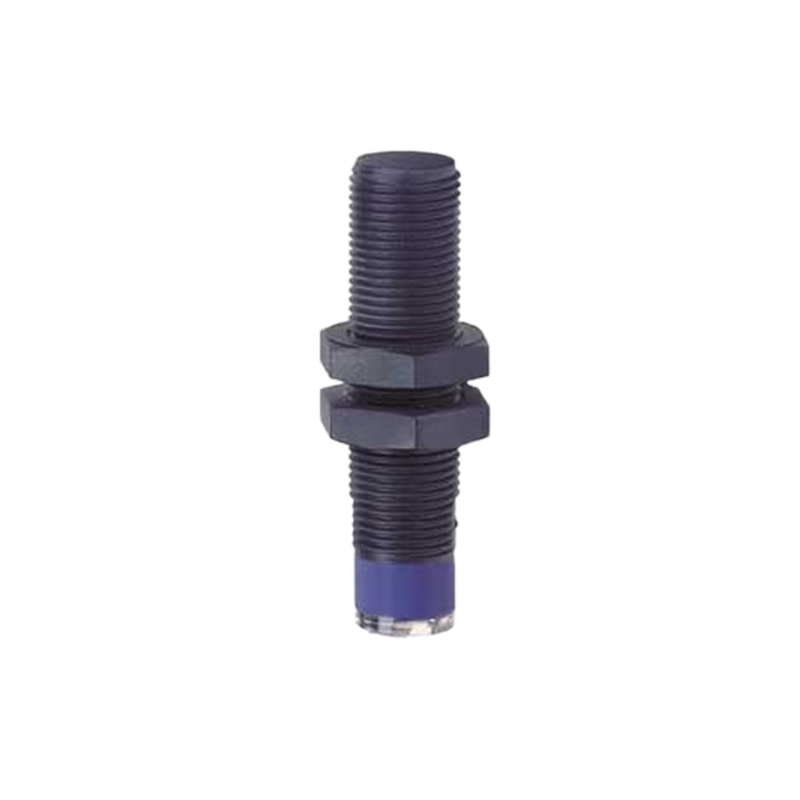
2. Capacitive Proximity Sensors: These sensors can detect both metallic and non-metallic materials—liquids, plastics, wood, glass, and granules. They function by generating an electrostatic field. Any object that enters this field alters the capacitance of the sensor's circuit. This change is measured to determine the object's presence. Capacitive sensors are perfect for level detection in tanks (liquids or powders), material handling, and detecting non-metallic objects on conveyor belts.
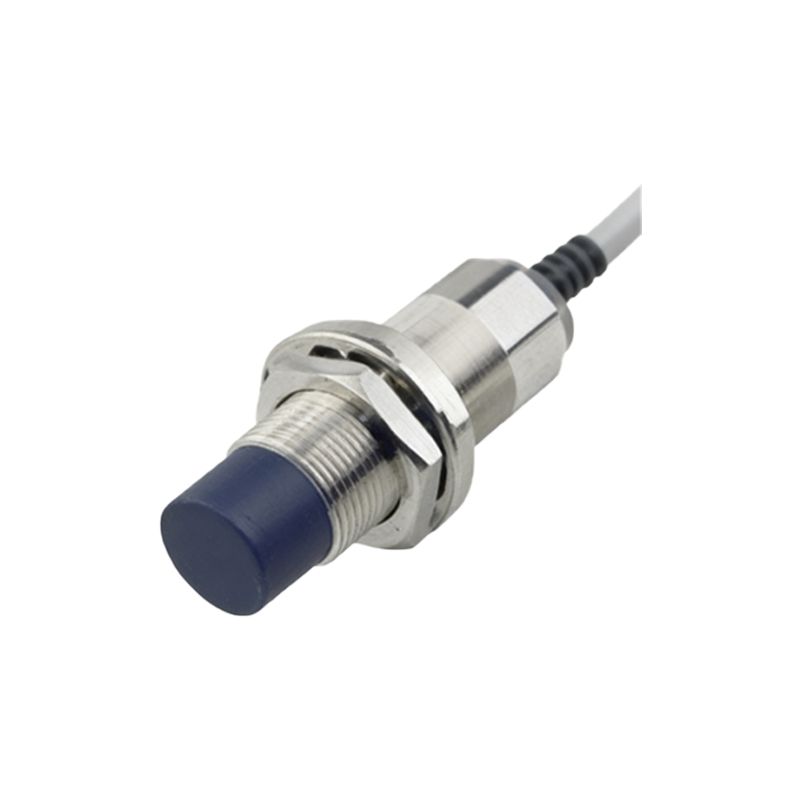
3. Ultrasonic Proximity Sensors: Operating like sonar, these sensors emit high-frequency sound waves (ultrasound) and evaluate the echo reflected back from a target. By calculating the time interval between sending the signal and receiving the echo, the sensor can determine the distance to the object. They are highly effective for detecting objects of virtually any material, shape, or color, and are commonly used for distance measurement, level sensing in bulk solids, and presence detection in challenging environments with dust or vapor.
4. Photoelectric Sensors: While sometimes categorized separately, they perform a proximity-sensing function. These sensors use a light emitter (usually LED) and a receiver. They detect objects by interpreting changes in the light beam. The main types are through-beam (object breaks a beam between separate emitter and receiver), retro-reflective (object breaks a beam reflected off a reflector), and diffuse (object reflects the light back to the receiver). Photoelectric sensors offer long sensing ranges and are ideal for detecting small objects, transparent materials, and for precise positioning.
Selecting the right proximity sensor is paramount for system reliability. Key selection criteria include:
Target Material: Is it metal, plastic, liquid, or something else? This dictates the choice between inductive, capacitive, or ultrasonic.
Sensing Distance: The required operating distance or range from the sensor face to the target.
Output Type: Digital (PNP/NPN) or analog (4-20mA, 0-10V) outputs to interface with PLCs or controllers.
Environmental Factors: Exposure to temperature extremes, moisture, chemicals, or washdown conditions requires sensors with appropriate ingress protection (IP) ratings.
Mounting and Size: Physical constraints in the application area.
In conclusion, the device in question is universally known as a proximity sensor. Its value lies in its ability to provide reliable, non-contact detection across a breathtaking array of industries—automotive manufacturing, packaging, food and beverage, pharmaceuticals, and robotics, to name a few. From ensuring a robotic gripper picks up a component correctly to preventing a machine from operating without a safety guard in place, the humble proximity sensor is an indispensable component in the modern technological landscape. Understanding its types and principles is the first step toward leveraging its power for enhanced automation, safety, and operational intelligence.