In the rapidly evolving landscape of industrial automation and precision measurement, laser sensors and pressure sensors stand as pivotal technologies driving efficiency, safety, and innovation. These sensors, though distinct in their operational principles and applications, are integral to countless systems across manufacturing, automotive, aerospace, healthcare, and environmental monitoring. This article delves into their functionalities, key differences, and synergistic roles in contemporary engineering.
Laser sensors operate by emitting a focused beam of light—typically from a laser diode—toward a target. The sensor then detects the reflected or scattered light to measure parameters such as distance, displacement, thickness, or presence. Common types include time-of-flight (ToF) sensors, triangulation sensors, and confocal sensors. For instance, in automated assembly lines, laser sensors provide non-contact, high-speed measurements for quality control, ensuring components like semiconductor wafers or automotive parts meet exact tolerances. Their advantages include exceptional accuracy (often down to micrometer levels), rapid response times, and the ability to function in harsh environments where physical contact is impractical. However, they can be sensitive to ambient light interference, surface reflectivity, and require precise alignment.
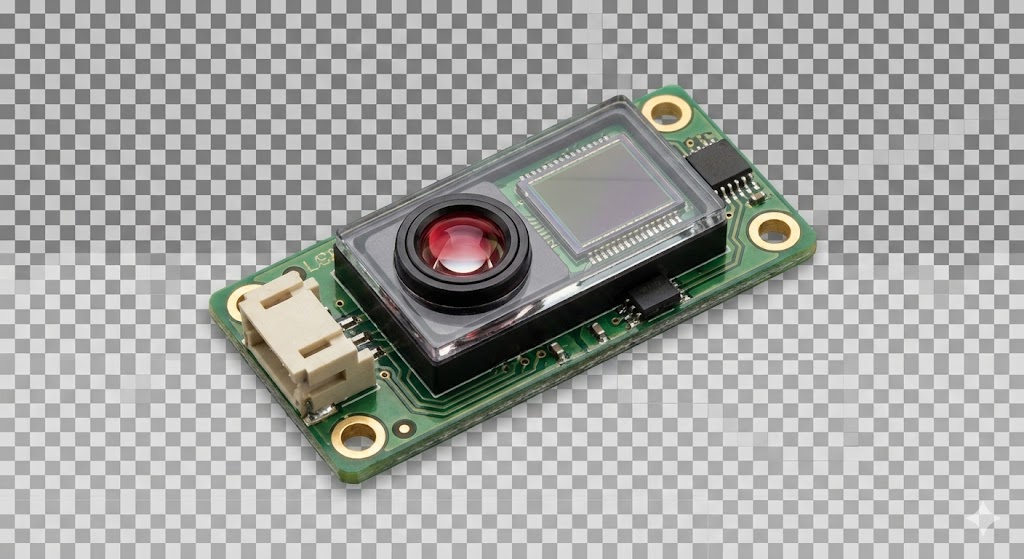
Pressure sensors, on the other hand, convert mechanical force exerted by gases or liquids into an electrical signal, typically using technologies like piezoresistive, capacitive, or piezoelectric elements. These sensors are essential for monitoring and controlling pressure in systems such as hydraulic pumps, HVAC units, medical ventilators, and industrial pipelines. For example, in automotive engines, pressure sensors optimize fuel injection and emission control by实时 monitoring manifold absolute pressure (MAP). Their key benefits include robustness, wide measurement ranges (from vacuum to high-pressure conditions), and compatibility with diverse media. Challenges may involve temperature dependence, long-term drift, and the need for calibration to maintain accuracy.
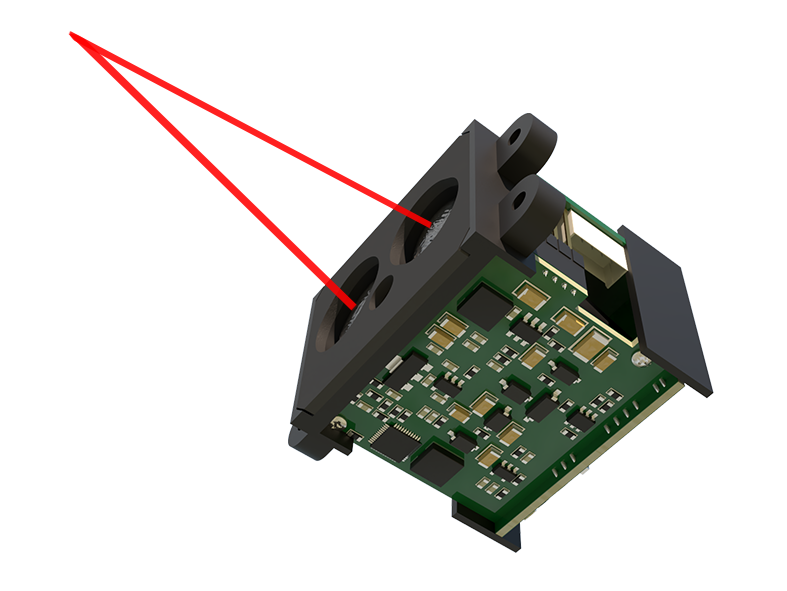
While laser sensors excel in dimensional and positional sensing, pressure sensors are unparalleled in fluid and gas dynamics applications. Yet, their integration can yield powerful outcomes. Consider a smart manufacturing setup: laser sensors might precisely position robotic arms, while pressure sensors regulate pneumatic systems that drive those arms. In medical devices, laser sensors could monitor blood flow via Doppler techniques, and pressure sensors ensure safe IV fluid delivery. This synergy enhances system reliability and data richness.
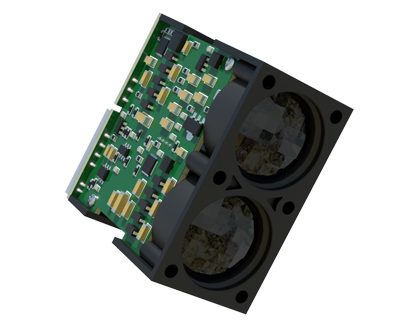
Emerging trends are further blurring the lines between these technologies. Miniaturization and IoT connectivity enable smart sensors with embedded diagnostics, facilitating predictive maintenance. Advances in materials science, such as MEMS (Micro-Electro-Mechanical Systems), have led to compact, cost-effective pressure sensors, while innovations in laser optics improve resistance to environmental factors. Engineers must select sensors based on criteria like measurement range, accuracy, environmental conditions (e.g., temperature, humidity), and cost-effectiveness.
In summary, both laser sensors and pressure sensors are cornerstone technologies in modern engineering. Understanding their distinct mechanisms and applications allows for optimized system design, fostering advancements in automation, safety, and precision. As industries push toward Industry 4.0, the continued evolution of these sensors will undoubtedly play a critical role in shaping smarter, more responsive industrial ecosystems.