In the rapidly evolving landscape of industrial automation and precision measurement, HCL (Hollow Cathode Lamp) laser sensors have emerged as a critical technology. While the term "HCL" is traditionally associated with light sources in atomic absorption spectroscopy, in the context of advanced laser sensing, it often refers to highly stable, narrow-linewidth laser systems used for demanding measurement tasks. This article delves into the operational principles, key applications, and essential selection criteria for these sophisticated sensors.
At its core, the technology leverages a highly coherent and stable laser source. The fundamental principle involves emitting a focused beam of light towards a target. The sensor then detects the properties of the reflected or scattered light. Changes in these properties—such as intensity, phase, wavelength shift (via Doppler effect), or time-of-flight—are meticulously analyzed to determine specific parameters like distance, displacement, velocity, presence, or even the chemical composition of the target material. The exceptional stability and spectral purity associated with HCL-type sources are paramount for applications requiring micron-level accuracy or detection of minute spectral signatures, minimizing drift and environmental interference.
The applications of HCL laser sensors span a diverse range of industries, underlining their versatility and reliability. In semiconductor manufacturing, they are indispensable for wafer alignment, chip inspection, and precise stage positioning, where thermal stability and sub-micron precision are non-negotiable. Within the automotive sector, these sensors facilitate rigorous quality control, performing high-speed, non-contact measurements of component dimensions, surface defects, and assembly verification. Furthermore, in material processing—such as laser welding and cutting—HCL laser sensors provide real-time seam tracking and focus control, dramatically improving process consistency and yield. Emerging fields like autonomous guided vehicles (AGVs) and robotics utilize them for navigation, obstacle detection, and precise object handling in dynamic environments.
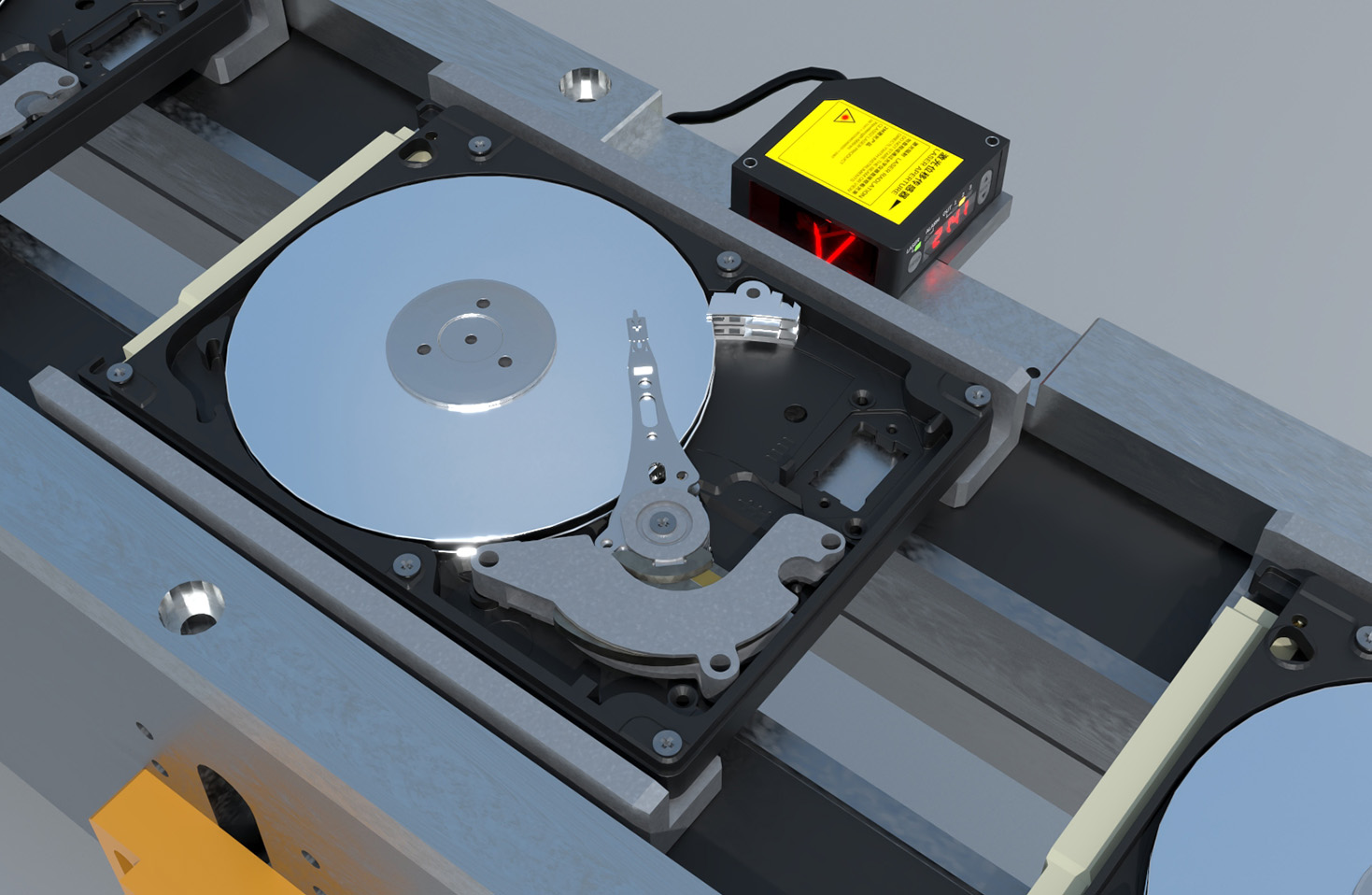
Selecting the appropriate HCL laser sensor for a specific application requires careful consideration of several technical parameters. First, the required measurement range and resolution are fundamental. A sensor designed for long-range detection (several meters) will differ significantly from one optimized for sub-millimeter displacement measurements. Second, the operating environment is crucial. Factors such as ambient light, temperature fluctuations, vibration, and exposure to dust or coolant necessitate sensors with robust housings (often IP67 or higher), integrated thermal management, and specialized optical filters. The response speed or sampling rate is another critical factor, especially for high-speed production lines or dynamic motion control. Additionally, the type of output signal (analog voltage/current, digital protocols like IO-Link or Ethernet/IP) must be compatible with the existing control system architecture. Finally, the choice of visible or invisible laser wavelength can be important for safety and application suitability; infrared lasers, for example, are less affected by ambient light but require stricter safety protocols.
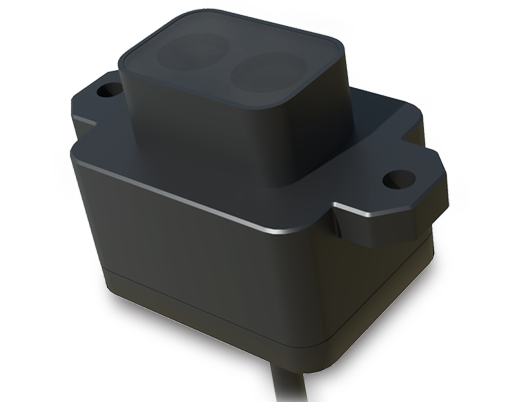
Installation and integration are pivotal to achieving optimal sensor performance. Proper alignment is essential to ensure the laser beam strikes the target perpendicularly for most distance-measuring applications, avoiding cosine error. Mounting must be secure and vibration-resistant. Environmental compensations, often built into modern sensors, should be configured to account for air temperature and pressure variations that can affect the speed of light in time-of-flight measurements. Regular maintenance, primarily keeping the lens clean from contaminants, ensures long-term accuracy and reliability.
In conclusion, HCL laser sensors represent a pinnacle of precision measurement technology, enabling advancements in automation, quality assurance, and process control. Their ability to deliver accurate, stable, and non-contact measurements in challenging industrial environments makes them a cornerstone of modern manufacturing and research. By thoroughly understanding their operating principles, aligning their capabilities with specific application needs, and following best practices for integration, engineers and technicians can fully leverage this powerful technology to drive efficiency, innovation, and product quality. As Industry 4.0 continues to mature, the role of such high-performance sensors will only become more central, forming the sensory backbone of intelligent, data-driven industrial systems.