Proximity sensors are indispensable components in modern industrial automation, offering non-contact detection of objects within a defined range. Their reliability and precision directly impact system performance, making proper selection and application critical. This article outlines essential considerations to ensure optimal sensor performance and longevity.
First, understand the sensing technology. Inductive sensors detect metallic objects using electromagnetic fields, making them ideal for metal detection in harsh environments. Capacitive sensors respond to both metallic and non-metallic materials by detecting changes in capacitance, suitable for liquid level or material presence detection. Ultrasonic sensors use sound waves for distance measurement and can handle various materials, including transparent objects. Photoelectric sensors employ light beams for detection, offering long ranges and high speed but may be affected by environmental factors like dust or ambient light. Choosing the wrong technology leads to false triggers or missed detections.
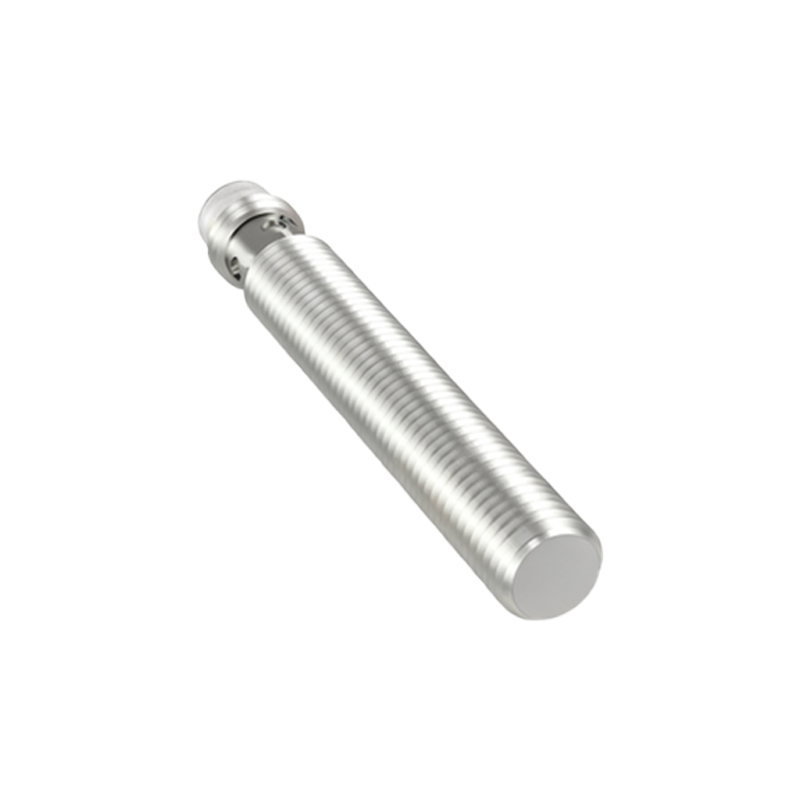
Environmental conditions significantly influence sensor performance. Temperature extremes can affect electronic components and sensing ranges; always check the operating temperature range specified by the manufacturer. Humidity, dust, and chemical exposure may require sensors with appropriate ingress protection (IP) ratings. For example, IP67-rated sensors resist dust and temporary immersion, suitable for washdown areas. Vibration and mechanical shock can loosen connections or damage internal parts, so consider ruggedized designs in dynamic applications. Additionally, electrical noise from motors or power lines can interfere with sensor signals; shielded cables and proper grounding mitigate this risk.
Mounting and alignment are often overlooked but crucial aspects. Incorrect mounting can cause reduced sensing range or erratic behavior. Ensure the sensor is positioned perpendicular to the target surface for consistent detection. For cylindrical or small targets, account for the reduction factor—the decrease in effective sensing distance relative to standard conditions. Maintain adequate clearance around the sensor to prevent interference from adjacent metal objects or other sensors. Regular calibration and alignment checks prevent drift over time, especially in high-precision applications like assembly lines.
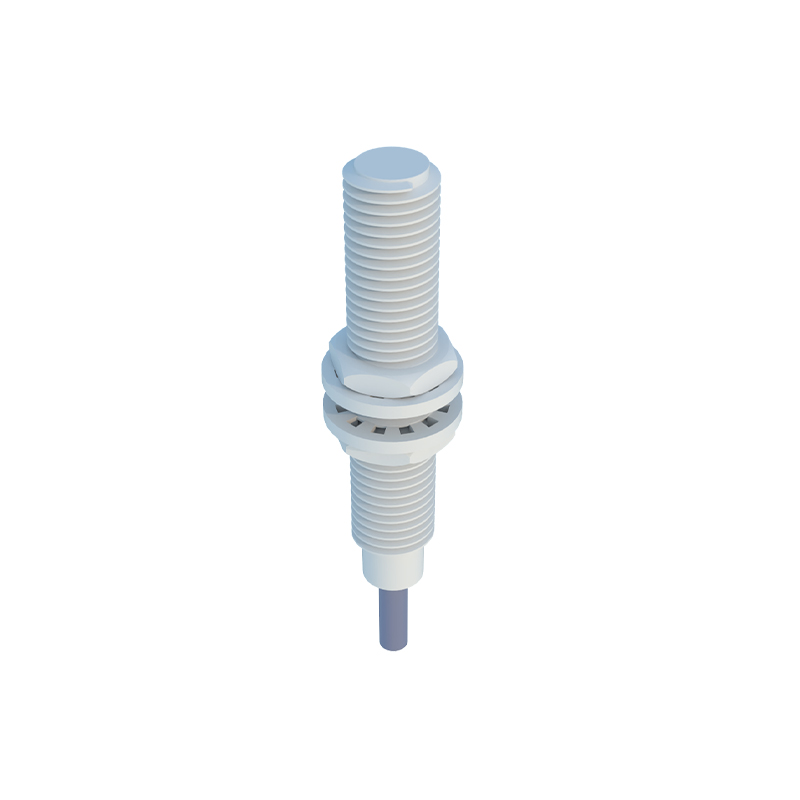
Target characteristics must match sensor capabilities. The material, size, shape, and surface finish of the target affect detection reliability. Inductive sensors, for instance, have different sensing distances for steel, aluminum, or copper; consult correction factors in datasheets. For capacitive sensors, the dielectric constant of non-metallic materials determines sensitivity. Moving targets require sensors with fast response times to avoid lag, while stationary objects may allow for slower, more economical options. In applications with varying target colors or transparency, photoelectric sensors with background suppression or polarized filters enhance accuracy.
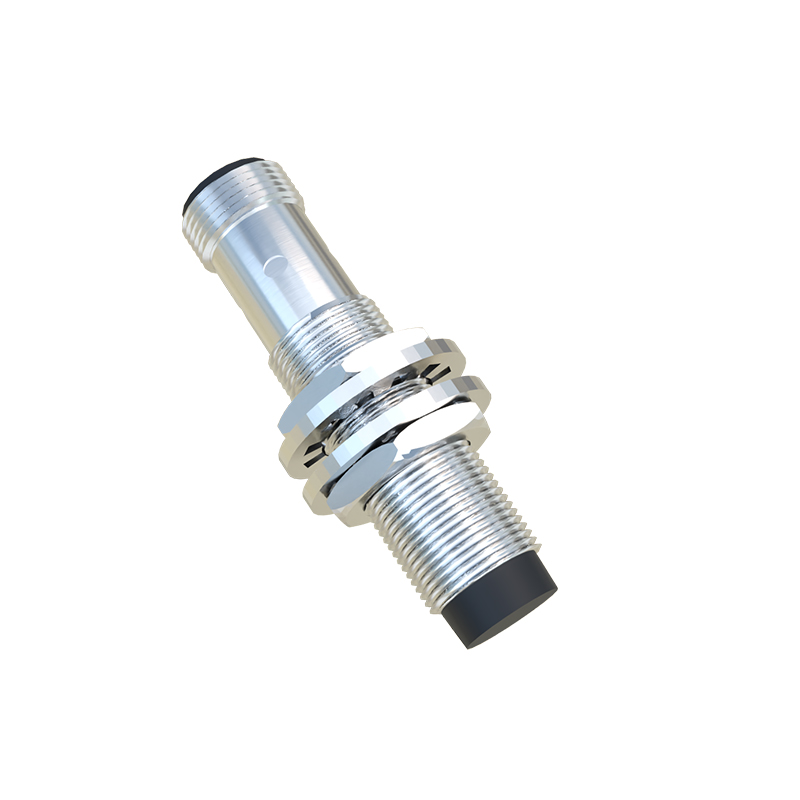
Electrical specifications and wiring demand attention. Verify the sensor’s voltage supply (e.g., 10-30 V DC) and ensure compatibility with the control system. Output types include NPN (sinking) or PNP (sourcing) configurations, which must align with the PLC or controller input. Incorrect wiring can damage the sensor or connected equipment. Consider load current and short-circuit protection to prevent overloads. For networked systems, IO-Link or analog sensors provide additional data like diagnostics or distance values, enabling predictive maintenance but requiring compatible infrastructure.
Maintenance and diagnostics extend sensor life. Many modern sensors feature LED indicators or diagnostic outputs for troubleshooting. Regularly inspect for physical damage, contamination, or loose connections. In dirty environments, cleaning lenses or sensing faces prevents false readings. Keep spare sensors on hand for critical processes to minimize downtime. Document application settings and calibration points to streamline replacements.
In summary, successful proximity sensor implementation hinges on technology selection, environmental adaptation, precise mounting, target analysis, electrical compliance, and proactive maintenance. Overlooking these factors leads to operational inefficiencies, increased costs, and safety risks. Always refer to manufacturer guidelines and industry standards, such as IEC 60947-5-2, for specific requirements. By addressing these considerations, engineers can enhance system reliability and achieve seamless automation integration.