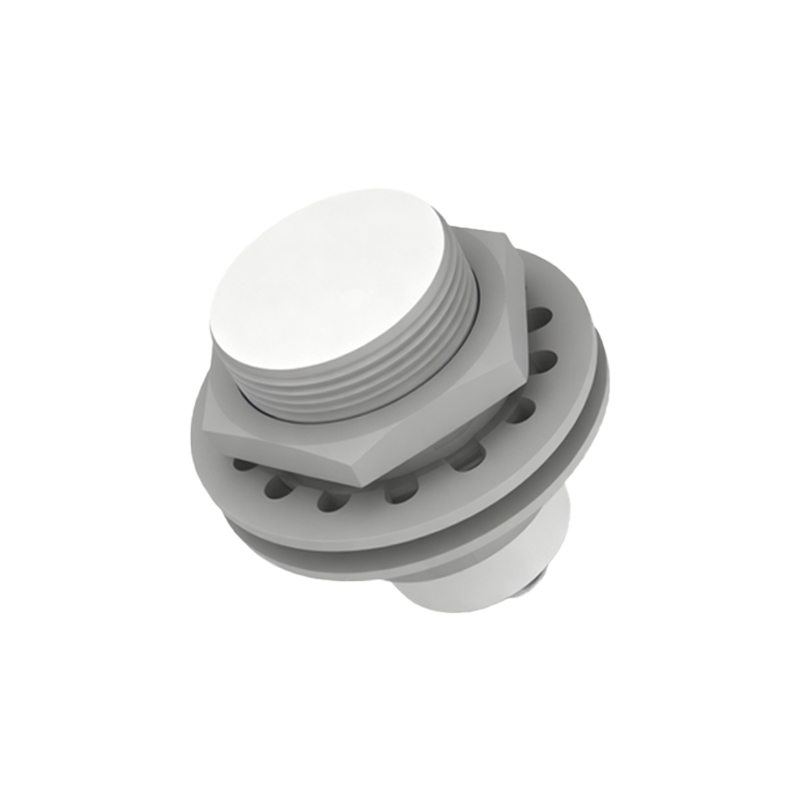
Proximity sensors are fundamental components in modern automation, robotics, and consumer electronics. Their core function is to detect the presence or absence of an object within a specified area without physical contact. The defining characteristic of any proximity sensor is its effective distance range, a parameter that dictates its suitability for specific applications. Understanding this range, its influencing factors, and its practical implications is crucial for engineers, designers, and technicians.
The operating distance range, often termed sensing distance or nominal range, refers to the maximum distance at which a sensor can reliably detect a standard target. This is not a single fixed point but a range defined by a minimum and maximum value. The sensor will activate when an object enters this detection zone. It's critical to consult the manufacturer's datasheet, as the stated nominal range is typically defined under ideal laboratory conditions using a prescribed standard target, usually a square of mild steel of a specific size.
Several key factors directly influence the practical achievable distance range of a proximity sensor. The first is the sensor's underlying technology. Inductive sensors, which detect metallic objects, typically have shorter ranges, from a few millimeters up to about 60 millimeters. Capacitive sensors, capable of detecting both metallic and non-metallic materials, also generally operate in shorter ranges, similar to inductive types. Ultrasonic sensors use sound waves and can achieve much longer ranges, from centimeters up to several meters. Photoelectric sensors, which use light beams, offer the most versatility, with diffuse reflective types working from a few centimeters to several meters, and through-beam models capable of ranges exceeding 100 meters.
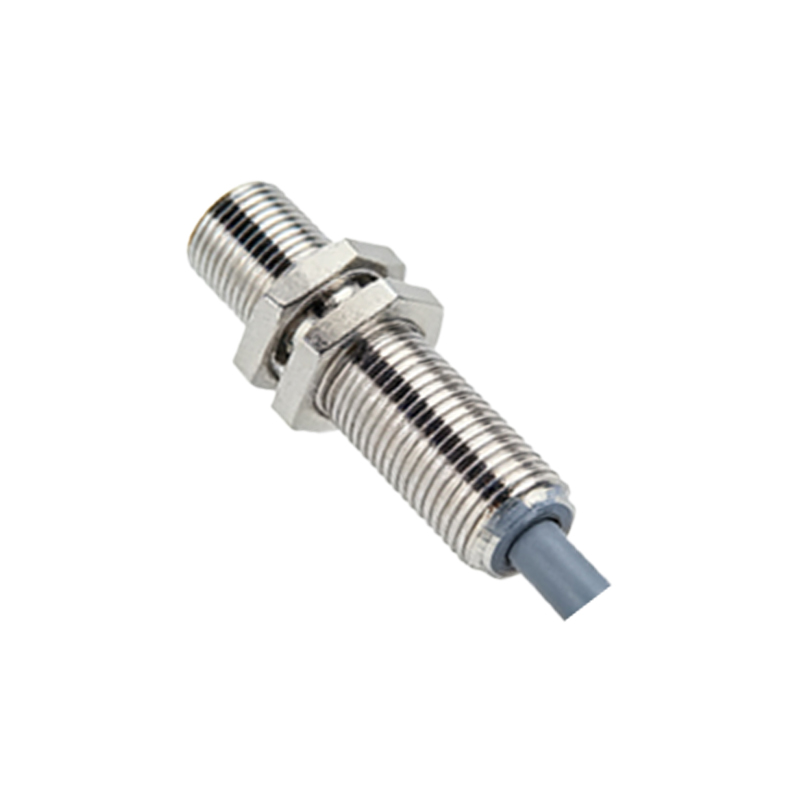
The second major factor is the target material and properties. For inductive sensors, the detection range is heavily dependent on the metal type; ferrous metals like iron and steel are detected at the nominal range, while non-ferrous metals like aluminum or copper cause a significant reduction, often requiring a correction factor of 0.3 to 0.5. The size, shape, and surface finish of the target also matter. A target smaller than the sensor's face or one with a dark, non-reflective surface (for photoelectric sensors) will reduce the effective sensing distance.
Environmental conditions form the third critical influence. Contaminants like dust, oil, or moisture can coat the sensor face, attenuating signals, especially in optical and ultrasonic sensors. Ambient temperature extremes can affect electronic components and signal propagation. Strong electromagnetic fields can interfere with inductive sensors, while ambient light can saturate the receiver in photoelectric sensors. Vibrations and mechanical shocks can physically misalign the sensor, effectively changing its operational range.
Selecting the correct sensor for a required range involves more than just matching numbers. A best practice is to derate the nominal range by 20-25% for inductive and capacitive sensors to account for target material variations, temperature drift, and voltage fluctuations. For long-range applications, photoelectric or ultrasonic sensors are preferred, but one must consider the required resolution and the potential for false triggers from background objects. For very short-range, high-precision applications, such as in semiconductor manufacturing, specialized sensors with sub-millimeter resolution are employed.
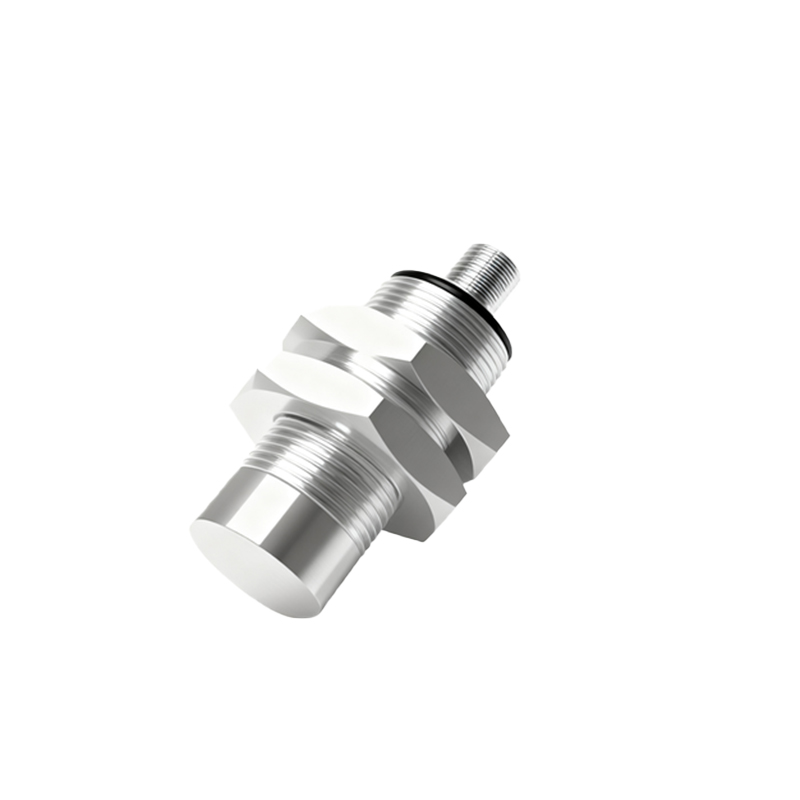
Installation and alignment are paramount. Even a sensor with a perfect nominal range will underperform if misaligned. The sensor should be mounted securely to prevent movement. For through-beam photoelectric or ultrasonic sensors, precise alignment of the emitter and receiver is essential. One must also consider the sensor's hysteresis—the difference between the switch-on and switch-off points—which prevents chattering when a target is at the edge of the detection zone but adds a dead band.
In conclusion, the distance range of a proximity sensor is a deceptively simple specification with deep practical complexities. Successful implementation requires a holistic understanding of the sensor technology, the target characteristics, and the operating environment. By carefully evaluating these factors against the application's requirements and following best practices for selection and installation, one can ensure reliable, long-term operation and avoid common pitfalls associated with assuming a sensor will perform at its theoretical maximum range in real-world conditions.