In the rapidly evolving landscape of industrial automation, the role of proximity sensors is paramount. These devices, which detect the presence or absence of objects without physical contact, are integral to countless applications—from manufacturing assembly lines and robotic systems to automotive safety features and smart infrastructure. As demand for automation surges globally, the need for reliable, high-quality original proximity sensor supply has become more critical than ever.
Original proximity sensors, sourced directly from authorized manufacturers or certified distributors, guarantee adherence to strict technical specifications and performance standards. Unlike counterfeit or aftermarket alternatives, genuine sensors undergo rigorous testing for durability, accuracy, and environmental resilience. They are designed to operate seamlessly in harsh conditions, such as extreme temperatures, moisture, or electromagnetic interference, ensuring minimal downtime and maintenance costs. For industries where precision is non-negotiable—like aerospace, pharmaceuticals, or precision engineering—using original components is not just a preference but a necessity to avoid costly errors and safety hazards.
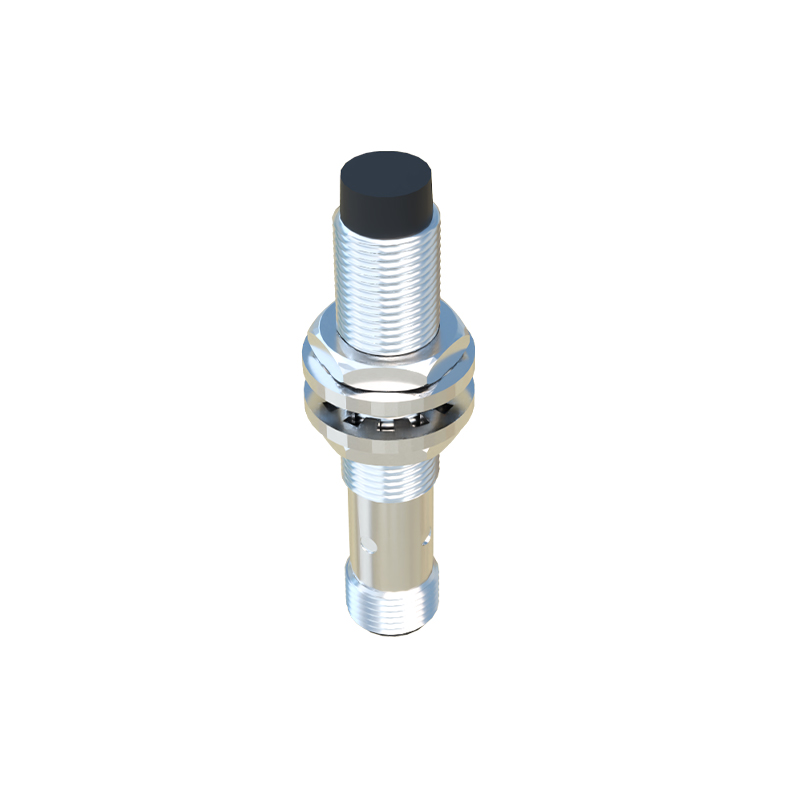
The supply chain for original proximity sensors involves a network of trusted manufacturers, including established brands like Omron, Schneider Electric, and Siemens, who invest heavily in research and development. These companies produce sensors with advanced features, such as analog outputs, short-circuit protection, and enhanced sensing ranges, tailored to specific industrial needs. Procuring sensors through authorized channels ensures access to the latest technological innovations, firmware updates, and comprehensive technical support. Moreover, original sensors come with valid warranties and certification documents, which are essential for compliance with international safety regulations and quality audits.
However, securing a steady supply of original proximity sensors presents challenges. Global semiconductor shortages, logistical delays, and fluctuating raw material costs can disrupt availability. To mitigate these risks, businesses are advised to partner with certified suppliers who maintain transparent inventory systems and offer flexible procurement solutions, such as long-term contracts or just-in-time delivery options. Additionally, implementing predictive maintenance strategies and sensor lifecycle management can optimize usage and reduce dependency on frequent replacements.
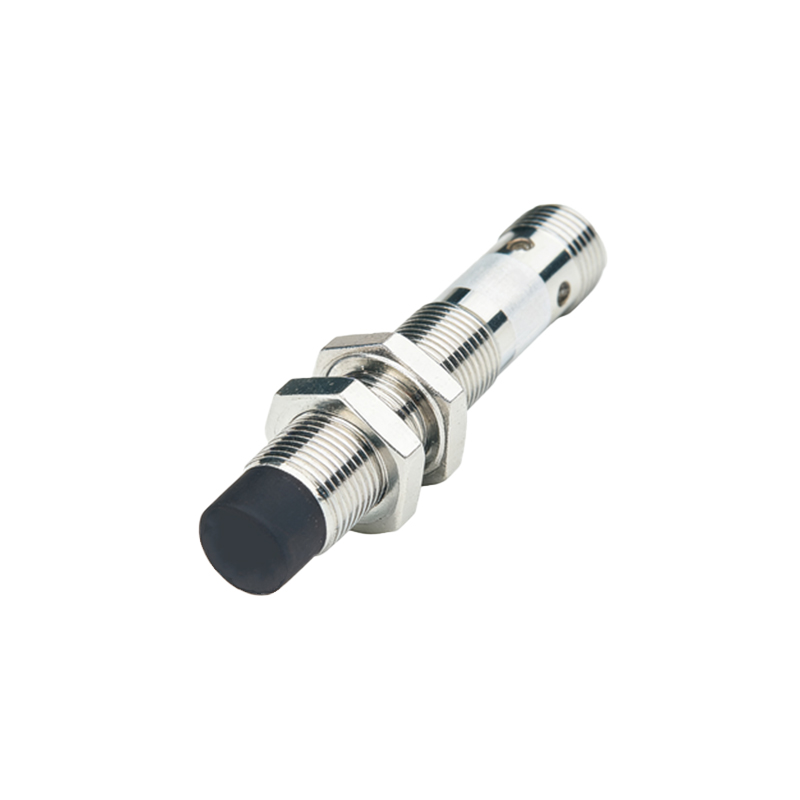
Investing in original proximity sensor supply ultimately translates to long-term operational efficiency and cost savings. Genuine sensors exhibit higher longevity and consistent performance, reducing the frequency of failures and associated production halts. They also integrate more effectively with existing automation ecosystems, supporting interoperability and data accuracy for Industry 4.0 initiatives like IoT-enabled monitoring and predictive analytics. As industries continue to embrace digital transformation, the reliability of core components like proximity sensors will remain a cornerstone of sustainable automation.
In conclusion, prioritizing original proximity sensor supply is a strategic decision that safeguards productivity, safety, and innovation. By choosing certified sources and staying informed about market trends, businesses can navigate supply chain complexities while upholding the highest standards of quality and reliability in their automated operations.