Temperature measurement has evolved significantly with the advent of non-contact infrared thermometers, commonly known as temperature guns. At the heart of these devices lies a critical component: the proximity sensor. This technology enables accurate, safe, and efficient temperature readings without physical contact, making it indispensable in various fields from industrial maintenance to healthcare.
A temperature gun proximity sensor primarily utilizes infrared (IR) technology to detect thermal radiation emitted by objects. Every object with a temperature above absolute zero emits infrared radiation. The sensor, often a thermopile or pyroelectric detector, captures this radiation and converts it into an electrical signal. This signal is then processed by the device's microcontroller to calculate the object's surface temperature, displayed on an LCD screen. The proximity aspect ensures the sensor is activated only when within an optimal range, typically a few centimeters to several meters, depending on the model and application. This range is crucial for accuracy, as distance can affect readings due to atmospheric interference or beam divergence.
Key features of modern temperature gun proximity sensors include high sensitivity, fast response times, and environmental adaptability. Many sensors incorporate laser pointers or LED indicators to help users aim accurately, though these are for targeting only and do not measure temperature. Advanced models may include adjustable emissivity settings to account for different materials, as surfaces like shiny metals or transparent objects can reflect or transmit IR radiation, leading to inaccurate readings. Emissivity correction allows users to calibrate the device based on the material being measured, enhancing precision.
The applications of temperature guns with proximity sensors are vast. In healthcare, they are widely used for screening body temperature, especially during outbreaks like COVID-19, where non-contact methods reduce cross-contamination risks. Industrial sectors rely on them for monitoring machinery, electrical systems, and manufacturing processes to prevent overheating and ensure safety. In food safety, these guns check storage and cooking temperatures, while in automotive and HVAC (heating, ventilation, and air conditioning) industries, they diagnose engine performance or system efficiency. Additionally, they are common in home use for tasks like checking water temperature or detecting heat leaks.
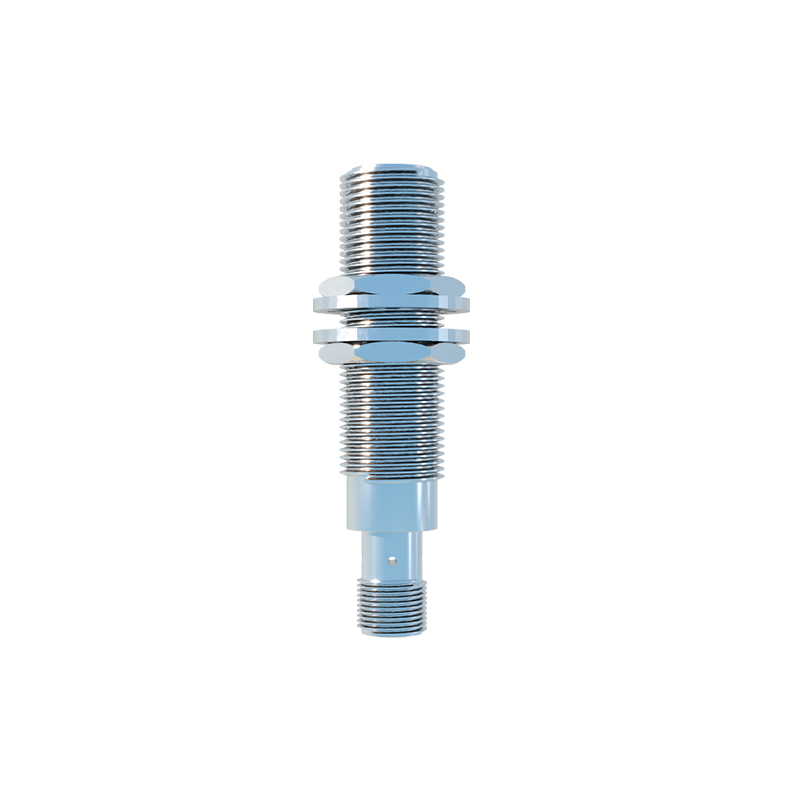
When selecting a temperature gun, consider factors such as distance-to-spot ratio (D:S ratio), which indicates the area measured relative to distance. A higher D:S ratio allows for accurate readings from farther away. Temperature range is also important, with most consumer models covering -50°C to 550°C, while industrial versions may extend beyond 2000°C. Other considerations include response time (often under one second), battery life, and durability in harsh conditions.
Despite their advantages, temperature guns have limitations. They measure surface temperature only, not internal temperature, and can be affected by environmental factors like steam, dust, or ambient light. Proper usage is essential: users should hold the gun steady, perpendicular to the surface, and within the specified range. Regular calibration against known standards ensures ongoing accuracy.
In summary, temperature gun proximity sensors represent a fusion of infrared and proximity sensing technologies, offering a versatile tool for non-contact temperature measurement. As technology advances, we can expect improvements in accuracy, connectivity (e.g., Bluetooth for data logging), and integration with IoT systems for real-time monitoring. Whether for health, industry, or daily tasks, these devices continue to play a vital role in modern temperature management, driven by the reliable and innovative proximity sensor at their core.