In the realm of industrial automation and precision engineering, the demand for reliable, non-contact sensing solutions has never been greater. Among the array of technologies available, proximity ring sensors have carved out a critical niche. These specialized sensors are characterized by their annular or ring-like design, which allows an object to pass directly through their center. This unique form factor enables them to perform detection, measurement, and control tasks in ways that traditional barrel-style proximity sensors cannot.
The fundamental operating principle of most industrial proximity ring sensors is based on electromagnetic induction. A high-frequency oscillating electromagnetic field is generated within the ring's interior. When a metallic target object enters this sensing zone through the aperture, it causes a change in the oscillation amplitude or frequency. This change is detected by the sensor's circuitry, which then triggers a switching output. For non-metallic objects, capacitive or optical sensing principles within a ring housing are employed. This versatility makes them indispensable across various industries.
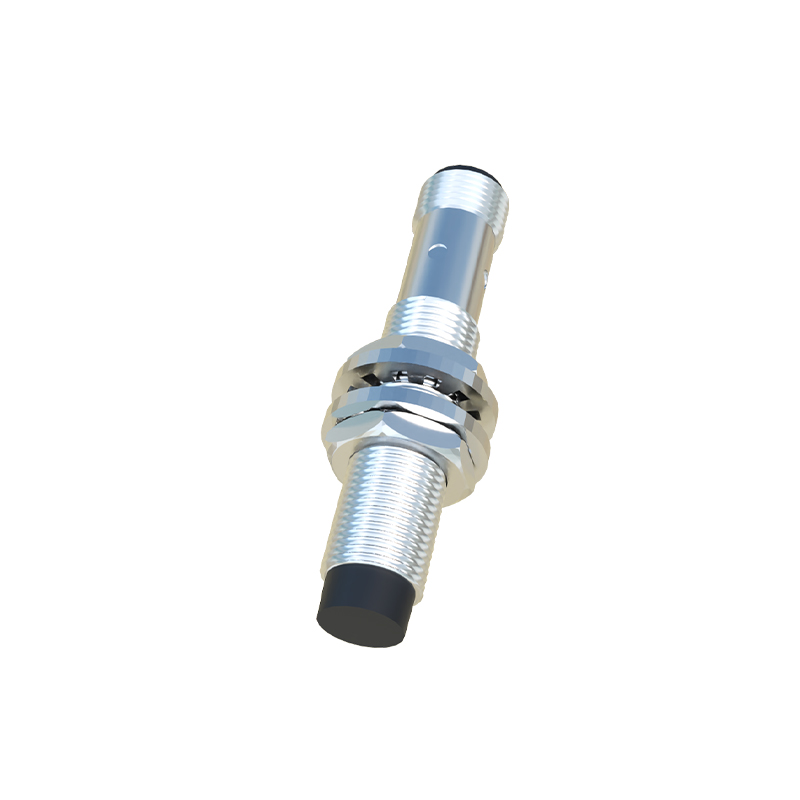
One of the most prominent applications is in automated assembly and production lines. Here, proximity ring sensors are mounted directly over conveyor tracks or chutes. As components—such as bolts, nuts, or small metal parts—travel through the ring, the sensor verifies their presence. This simple "part present" detection is crucial for ensuring that a robotic arm downstream has a component to pick up, preventing costly machine errors or stoppages. They are also used for basic counting tasks, providing a reliable tally of items produced per shift.
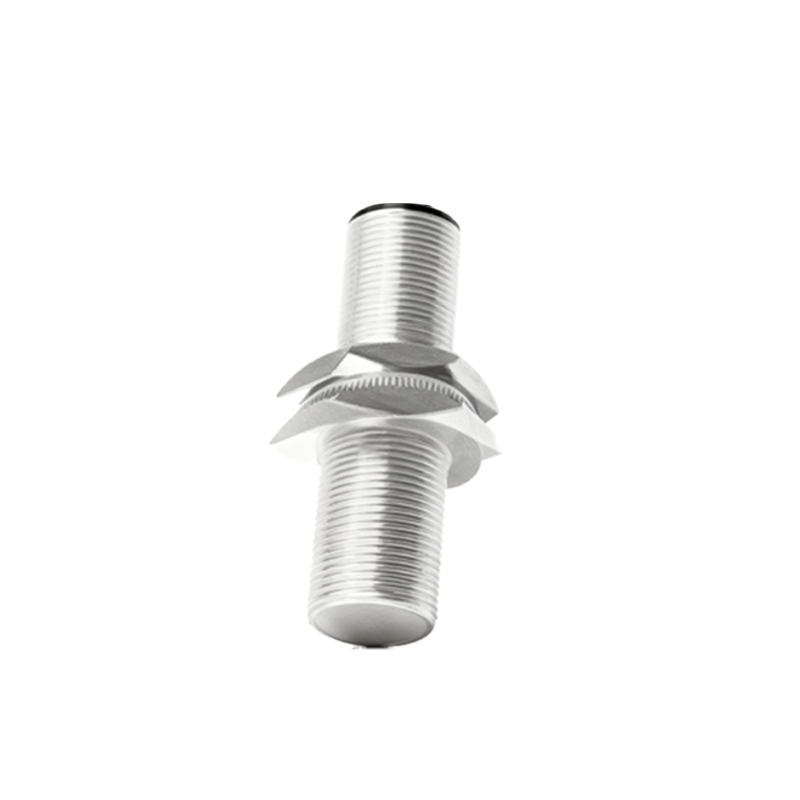
Beyond simple detection, these sensors play a vital role in quality control and inspection processes. For instance, in wire and cable manufacturing, a ring sensor can be used to detect breaks or significant irregularities in the material as it is extruded. In fastener production, a sensor can verify that a screw has a head, or that a nut is properly threaded, by detecting the specific metallic mass or profile as it passes through. This inline inspection prevents defective products from proceeding to packaging or assembly.
The packaging industry heavily relies on proximity ring sensors for precise fill-level control and cap detection. In bottling lines, a ring sensor positioned before the capping station can confirm that each bottle is present and properly positioned. Another key application is detecting whether a metal foil seal or a metallic cap is present on containers, ensuring product integrity before boxing. Their non-contact nature is ideal for these hygienic and high-speed environments.
Another sophisticated application is in diameter monitoring and sorting. While not a precision measuring tool, a ring sensor with a carefully calibrated sensing field can distinguish between objects of slightly different sizes. This is useful for sorting metal balls by size, verifying the diameter of rods, or ensuring that a component meets a minimum size threshold before it is approved for the next assembly stage. The object's size influences the degree of disturbance in the electromagnetic field, allowing for basic differentiation.
The advantages of using proximity ring sensors are manifold. Their through-hole design allows for easy integration into existing mechanical pathways without requiring complex re-routing. They offer fast response times, suitable for high-speed production. Being non-contact, they eliminate wear and tear on both the sensor and the target object. Furthermore, many models are built with robust housings resistant to dust, coolants, and mechanical impact, ensuring longevity in harsh industrial settings.
When selecting a proximity ring sensor, engineers must consider several factors. The internal diameter must be large enough to accommodate the target object without false triggers from the edges. The sensing distance, typically a short range relative to the ring's size, must be appropriate for the application. The material of the target object (ferrous metal, non-ferrous metal, or non-metal) dictates whether an inductive, capacitive, or optical sensor is required. Finally, the output type (PNP/NPN analog or digital) must be compatible with the controller, such as a PLC.
In conclusion, proximity ring sensors are a fundamental component in the toolkit of automation engineers. Their unique ability to provide non-contact sensing within a defined aperture solves a wide range of monitoring, inspection, and control challenges. From ensuring part presence on a fast-moving conveyor to performing basic quality checks, they enhance efficiency, reduce waste, and improve overall system reliability. As automation systems evolve towards greater intelligence and flexibility, the reliable data provided by these sensors will continue to form the foundational layer for more complex decision-making processes.