In modern industrial automation and machinery design, the demand for reliable sensing technology is paramount. Waterproof proximity sensors have emerged as a critical component in environments where exposure to liquids, dust, and harsh conditions is a constant challenge. Unlike standard sensors, these specialized devices are engineered to maintain precise detection capabilities while being fully sealed against water ingress, typically meeting IP67, IP68, or even IP69K ratings. This makes them indispensable for applications in food and beverage processing, wastewater management, outdoor machinery, marine equipment, and automotive manufacturing lines where washdowns or exposure to the elements are routine.
The core technology behind a waterproof proximity sensor involves a hermetically sealed housing that protects the internal electronic components. This housing is often constructed from robust materials like stainless steel (such as 303, 304, or 316 grades) or high-performance plastics like PBT or PPS. The sensing face is protected by a thick resin or specialized potting compound that does not interfere with the electromagnetic or ultrasonic field used for detection. Common sensing principles include inductive, capacitive, and ultrasonic. Inductive sensors are ideal for detecting metallic objects, capacitive sensors can detect both metallic and non-metallic materials (like liquids or plastics), and ultrasonic sensors are used for precise distance measurement and level detection, all available in waterproof configurations.
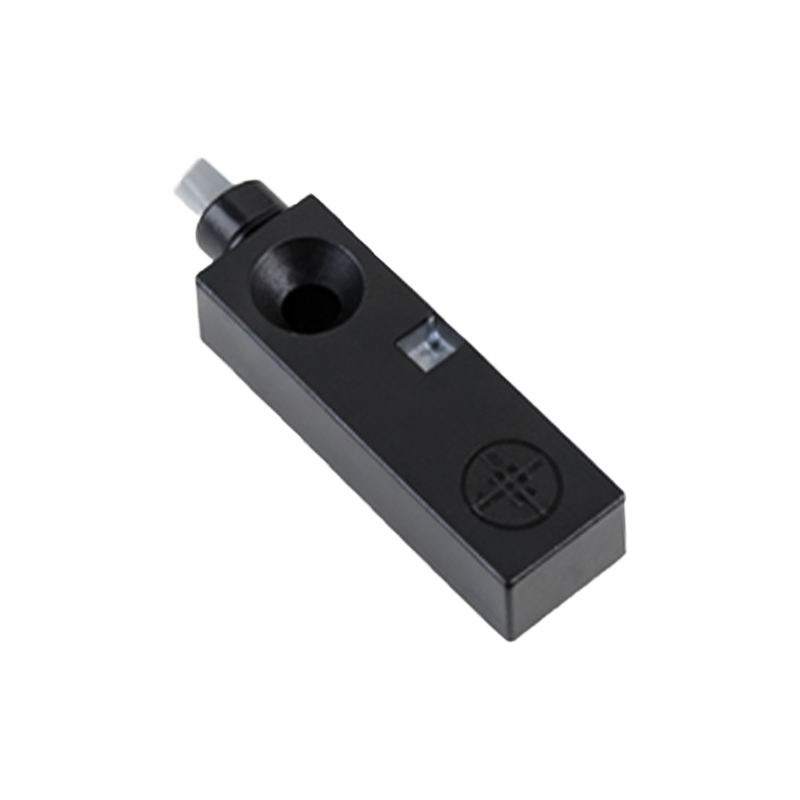
Selecting the right sensor requires careful consideration of several technical parameters. The sensing range is a primary factor; it must be appropriate for the application without being excessive, as this can lead to false triggers. The response time, or switching frequency, determines how quickly the sensor can detect an object and send a signal, which is crucial for high-speed production lines. Electrical output is another key decision point, with options including NPN, PNP, analog (4-20mA or 0-10V), and IO-Link digital communication for advanced diagnostics and parameter setting. The supply voltage must match the control system, commonly 10-30V DC or 90-250V AC. Physical size and mounting style (threaded barrel, rectangular, or block-style) are also dictated by the installation space and mounting hardware.
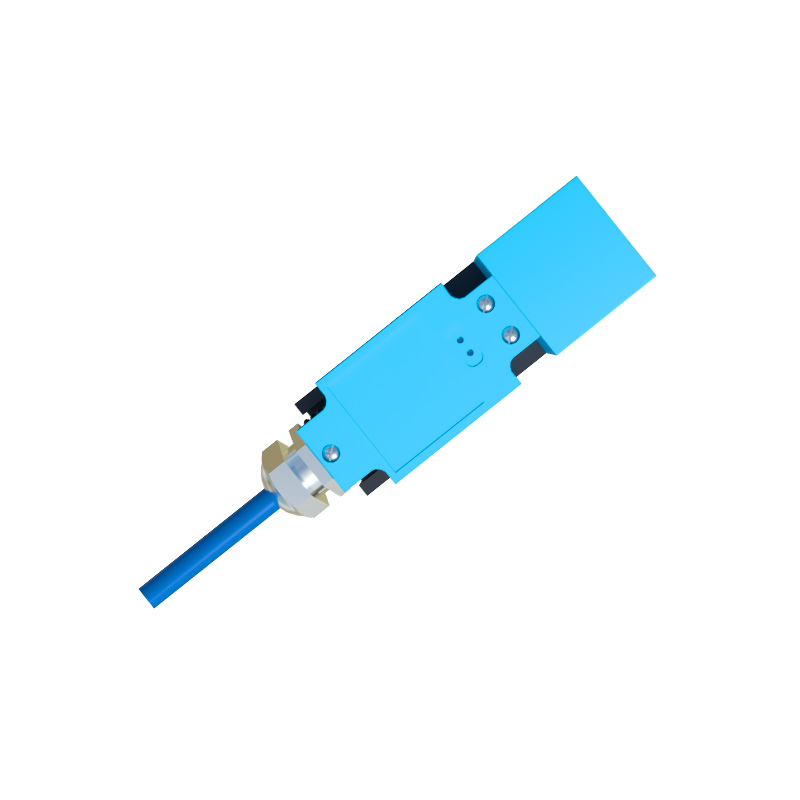
The advantages of sourcing from a specialized waterproof proximity sensor store are significant. Such a store focuses exclusively on this niche, offering deep technical expertise. Customers benefit from comprehensive product lines from leading global manufacturers, ensuring they find a sensor with the exact specifications—be it a specific sensing range, a unique housing material, or a particular connector type. Technical support is a cornerstone of these specialized retailers. Their engineers can assist with application reviews, helping to avoid common pitfalls like sensor masking, incorrect mounting, or electrical incompatibility. They also provide critical accessories, such as proper mounting brackets, protective guards, and cable glands, which are essential for a complete and reliable installation.
Installation and maintenance, while straightforward, require adherence to best practices to ensure longevity. Even with a waterproof rating, the sensor must be installed correctly. This includes ensuring the sealing surfaces are clean and undamaged, tightening mounting nuts to the specified torque to compress the seal without damaging the housing, and correctly routing and sealing the electrical cable entry. For sensors in constant submersion or high-pressure washdown, verifying the specific depth and pressure ratings is vital. Regular maintenance involves visual inspection for physical damage, cleaning the sensing face of any buildup that could attenuate the signal, and checking cable integrity. Many modern sensors with IO-Link capability can perform self-diagnostics, alerting operators to potential issues like contamination or temperature drift before they cause downtime.
The market for these sensors continues to evolve. Trends include the integration of more advanced diagnostics and condition monitoring features directly into the sensor electronics. The rise of Industrial IoT (IIoT) demands sensors that can provide not just a simple on/off signal but also data about their own health and the process they are monitoring. Furthermore, manufacturers are developing sensors with enhanced chemical resistance for even more aggressive environments and miniaturized designs for space-constrained applications without compromising performance or protection ratings. For any operation facing wet, dirty, or corrosive conditions, investing in high-quality waterproof proximity sensors from a dedicated supplier is not merely a purchase but a strategic decision for ensuring continuous, efficient, and safe production. It directly impacts operational reliability, reduces unplanned maintenance, and safeguards long-term productivity.